

Blog
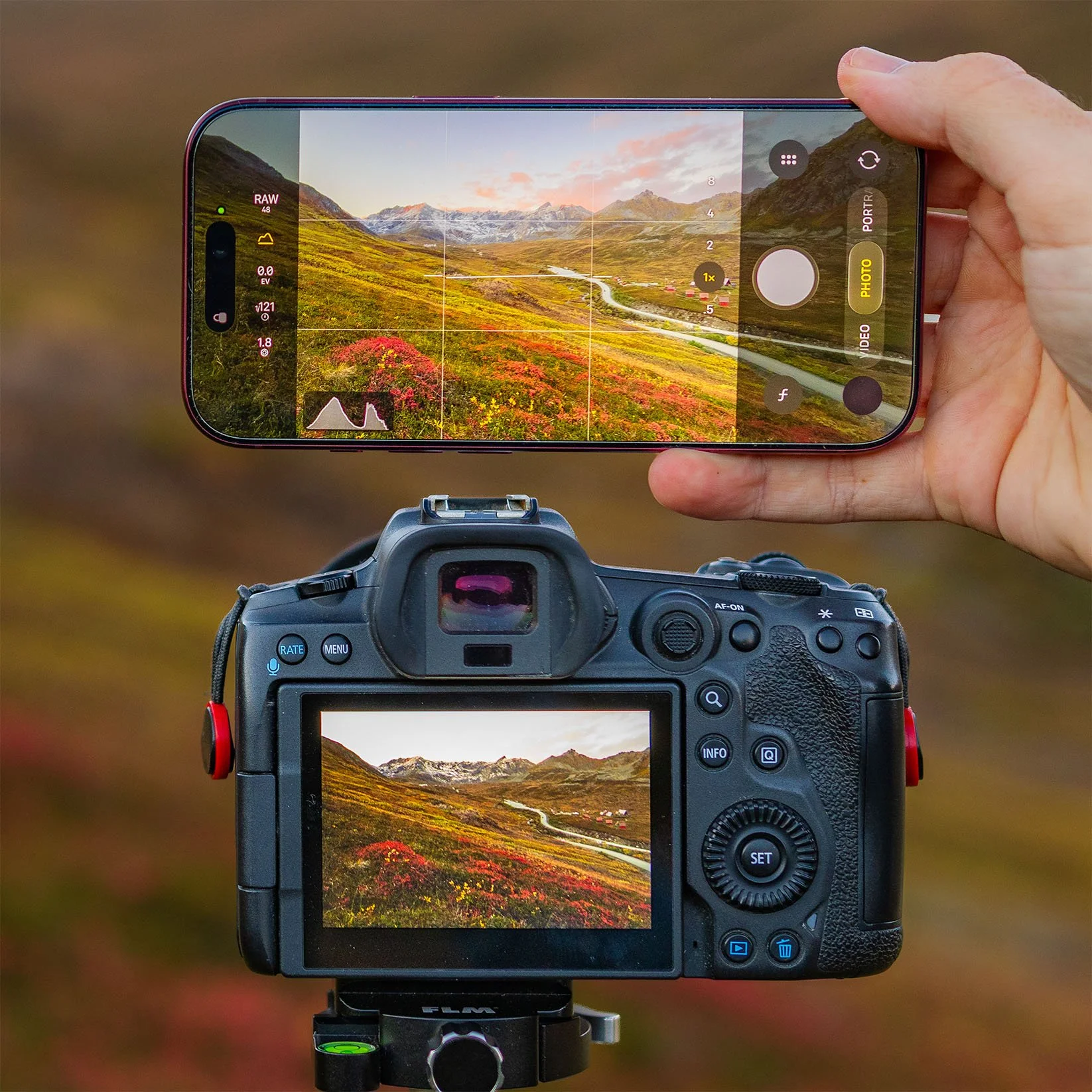
A Review of the iPhone 18 Pro for Photography
Over the last six years, I have pushed the boundaries of what an iPhone is capable of. So when Apple announced the biggest update this year to the iPhone 18 Pro is the added variable aperture to the main camera, I was skeptical, to put it lightly. But after comparing it to my full-frame Canon R5 to test things like the added depth of field and low-light capabilities, I've come away pretty surprised by this update.
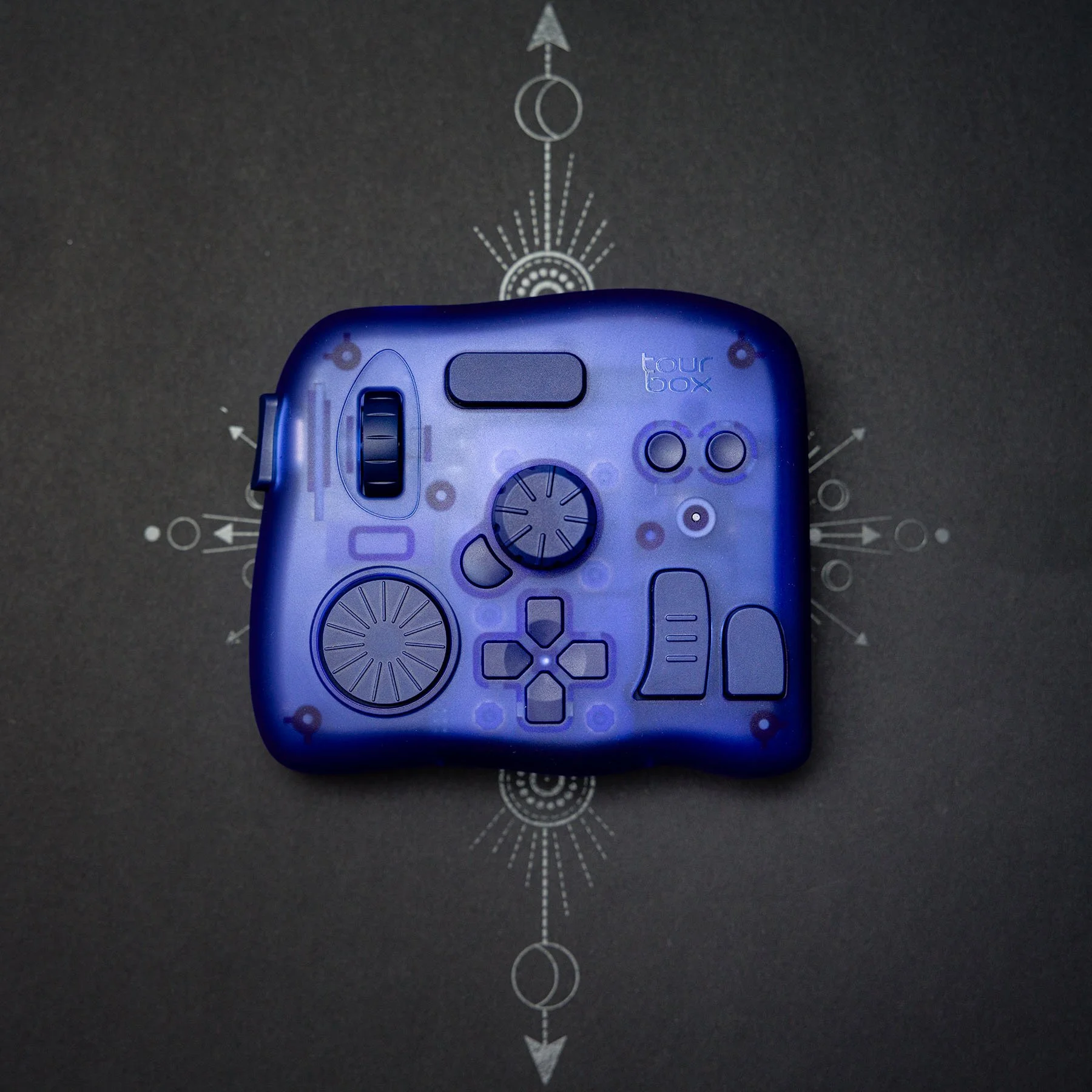
My Experience of the TourBox Elite for Photo Editing
When I first saw the TourBox I thought it was a gimmick. I have to be completely honest: I did not understand what this thing was for or why you would ever use this over just using a keyboard.
Right when I turned it on, I rotated a dial on the TourBox and realized it has haptic feedback. My reservations started to subside and I became more intrigued. In this article I want to talk about a few of the things that I ended up really enjoying and how surprised I was at realizing how much it impacted my experience of editing. The TourBox is very different than using a keyboard and once you start using it you won't want to go back when you edit in something like Lightroom.
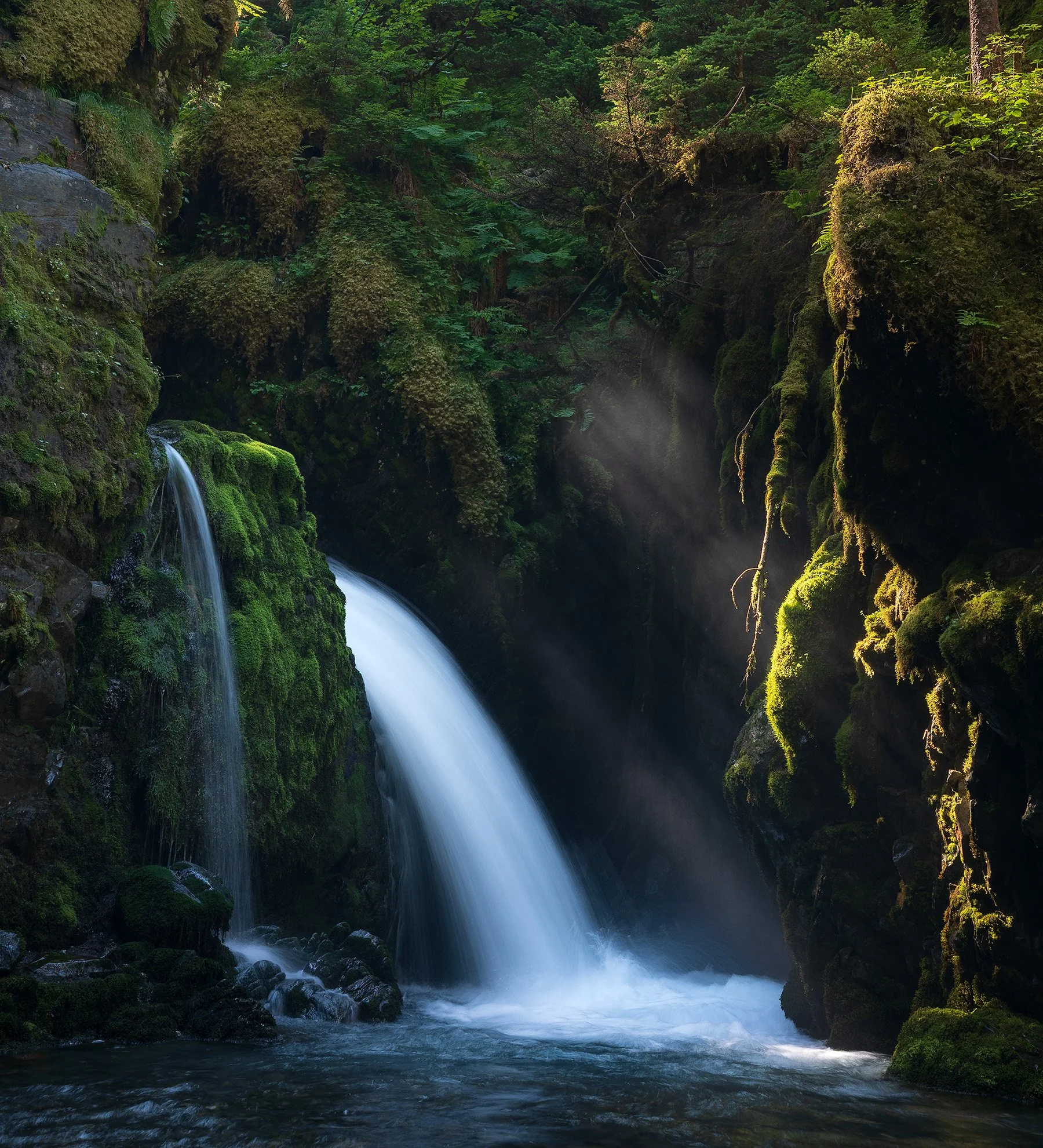
Stop Wasting Money. Megapixels Don’t Matter
I try to subside these thoughts and feelings. Continually embracing how lucky I am to have what I do (which is more than I could ever dream of in regards to cameras). Yet in that moment standing there at that waterfall, my brain slipped into “what if I had one of my other cameras!” Regardless of the fact that I’ve proven to myself many times over that even smaller sensors are plenty, and to prove it once again. I decided to go back to that waterfall armed with multiple cameras: a crop sensor Fujifilm X-T4 (26mp) , the same Nikon Zf (24mp) , and a Hasselblad X2D II (102mp).
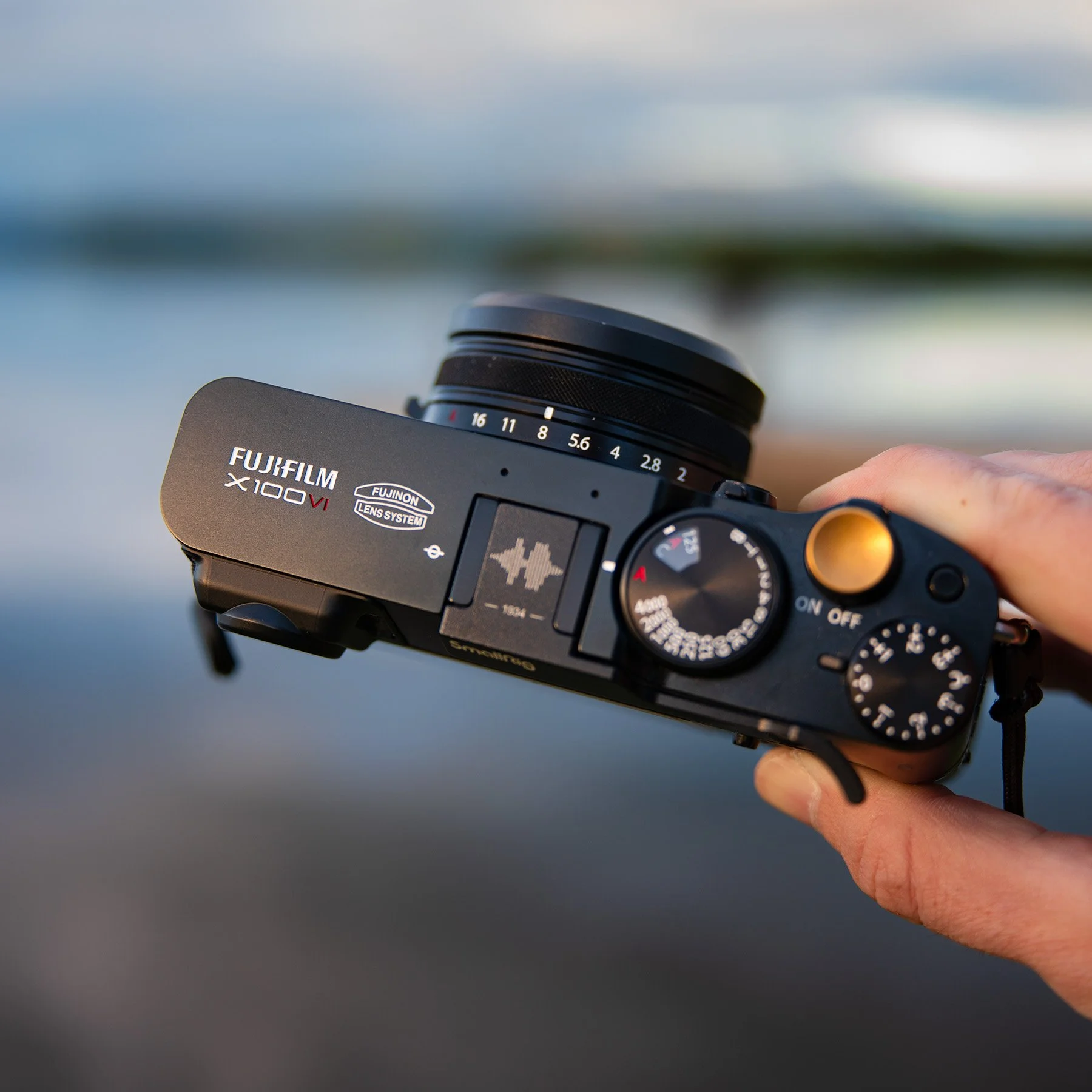
The Most Desired Camera in the World
The key takeaway here is that the Fujifilm X100VI (or similar models) will be remembered as an iconic moment in photography. It’s a reminder that not every camera has to do everything, that photography can simply be for fun or leisure, and that community is more important than ever in a world where we never spend time together anymore. It’s a camera that blends all experience levels, does nothing the best, carries harsh restrictions to push our creativity, and remains uniquely in a league of its own which is exactly why it’s the most desired camera in the world today.
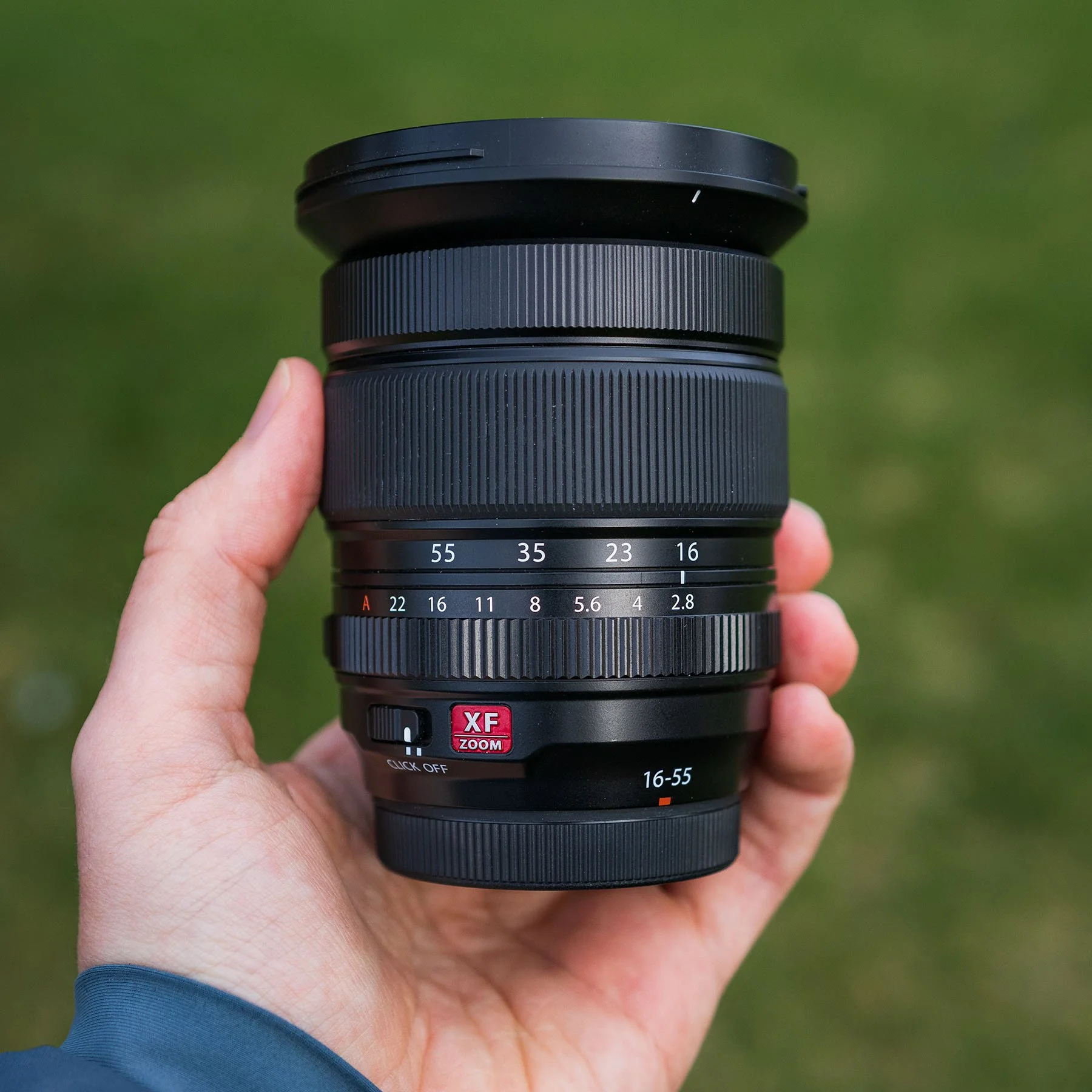
Long Term Review of the Fujifilm XF 16-55 f2.8 II
I’ve never been too compelled to write lens reviews. Most of the time lenses do what I bought them for and I don’t really have much to say, at least when I was primarily photographing landscapes. As I’ve dabbled a bit more into specific focal lengths and prioritizing size/weight a lot more - it makes lens choices more nuanced than “does it take good photos?”
Adding a list of wishes to a lens make the hunt for one a bit more tedious but also rewarding when you finally seem to find the perfect balance for your needs. That’s a bit why I was hesitant to write this article about the Fujifilm XF 16-55 f2.8 II because it does a good job at being light weight (and smallish) while having a larger f2.8 aperture in a 24-85mm (full frame equivalent) zoom range. It really does check all the boxes for what I was looking for.
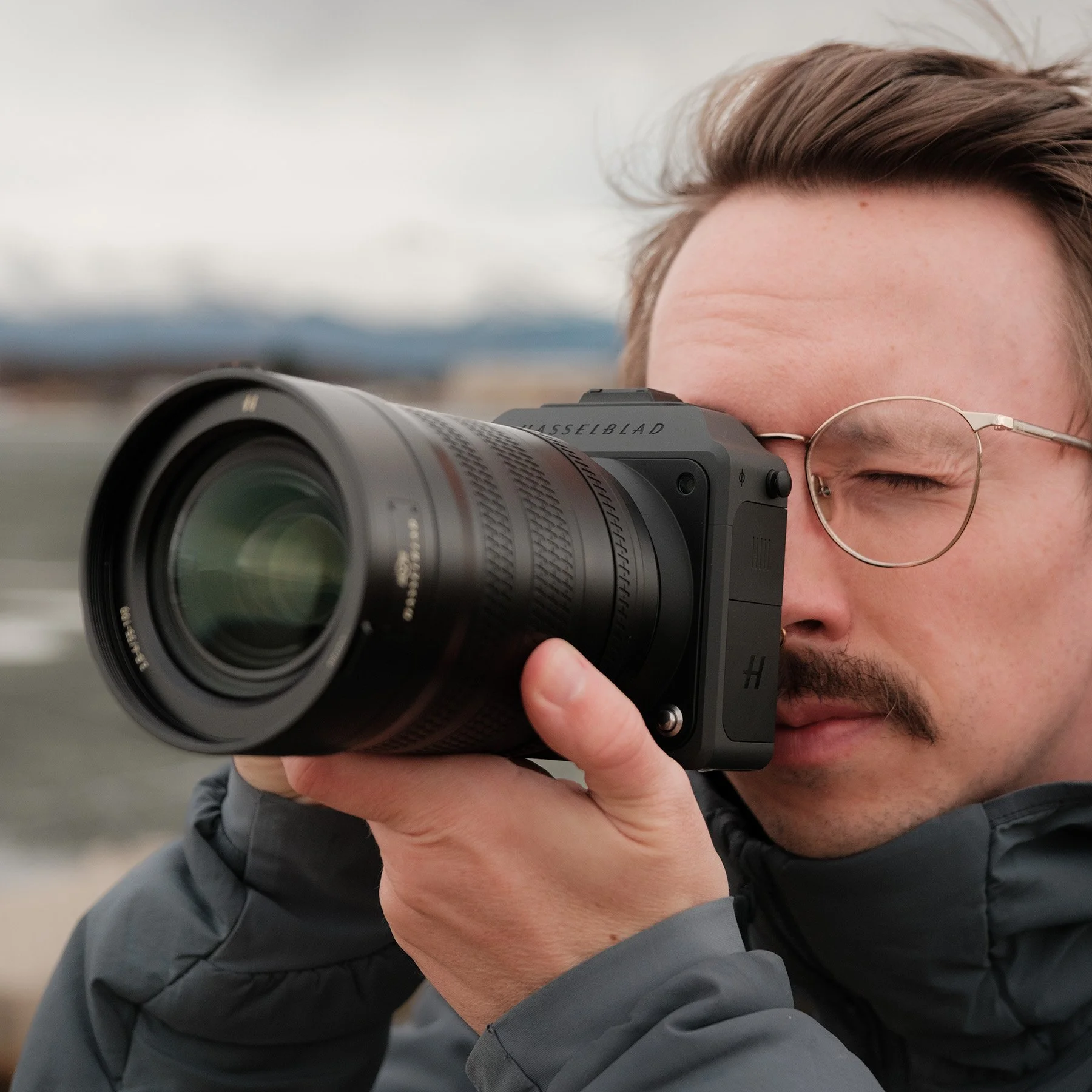
The Unique Power of Xpan
Up until a few years ago, I never used a crop mode outside of creating thumbnails. Honestly I thought they were kinda stupid because I could always just crop into the image later, why would I waste time doing it on my camera? Well, as it turns out with many things in life, I realized it was me who was stupid.
Now of course there’s nothing wrong with snapping full sized images and just cropping later but as time has gone on it’s become very apparent that the hardest part about photography is simply “seeing”. It’s not about the light, the shutter speed, the settings, or even the focal length. It’s just finding the hidden pieces too a complicated puzzle. Using a crop helps by being able to cut out a bit of the noise or simply piece together as much of the image right into the camera as I can. It helps to build something you otherwise might not even know was there.
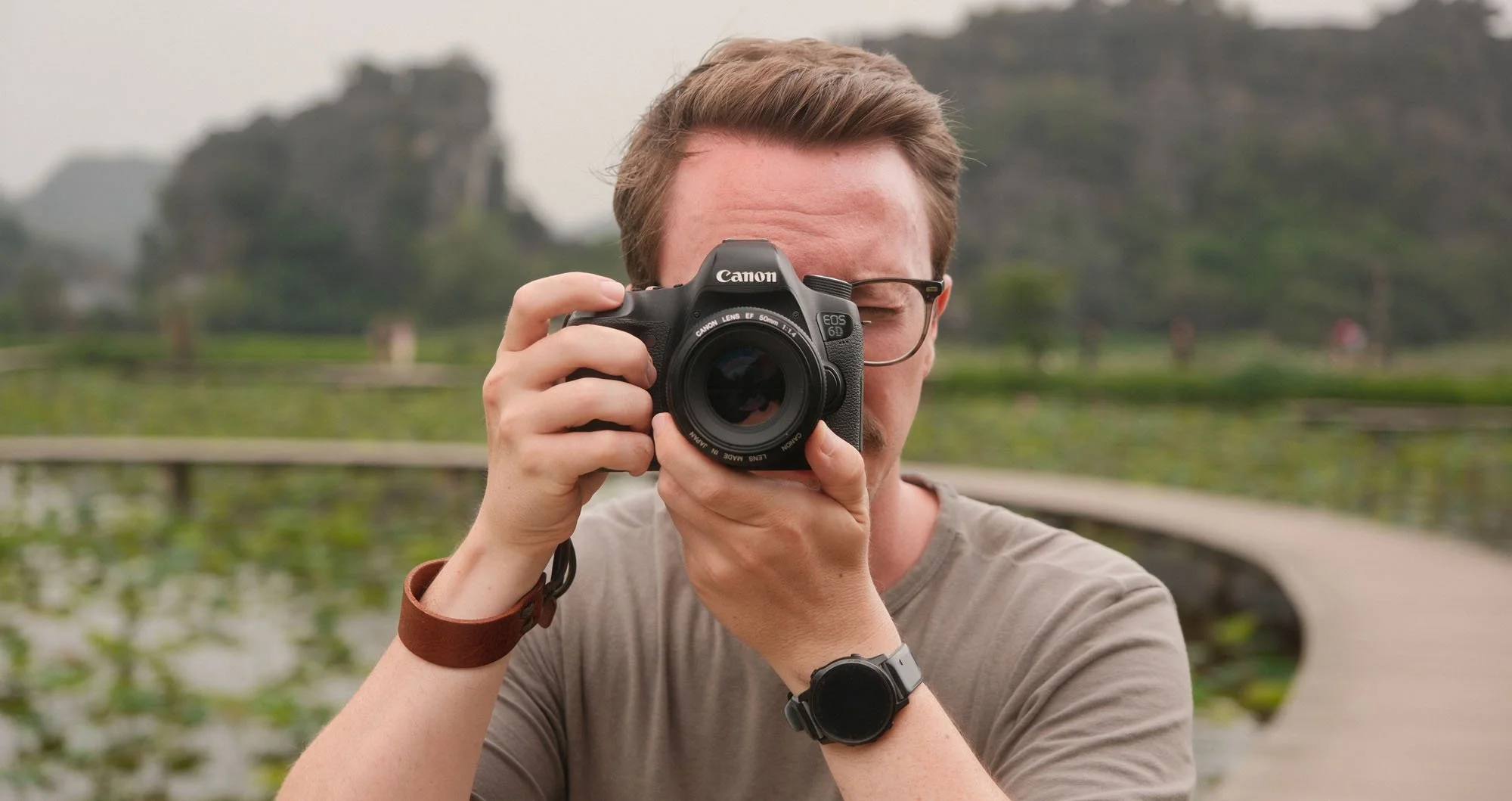
A Complete Guide to Buying a Used Camera
There has never been a more affordable time to get into photography than now, contrary to the rising prices of nearly everything else in the world. The key is to find a gently used or well loved DSLR that grows more and more affordable as people migrate to mirrorless systems.
While there have been small improvements to image sensors over the past decade, image quality hasn’t progressed in the same way that auto focus or image stabilization has. Thus cameras pushing 15+ years old still produce fantastic quality images while lacking modern creature comforts.
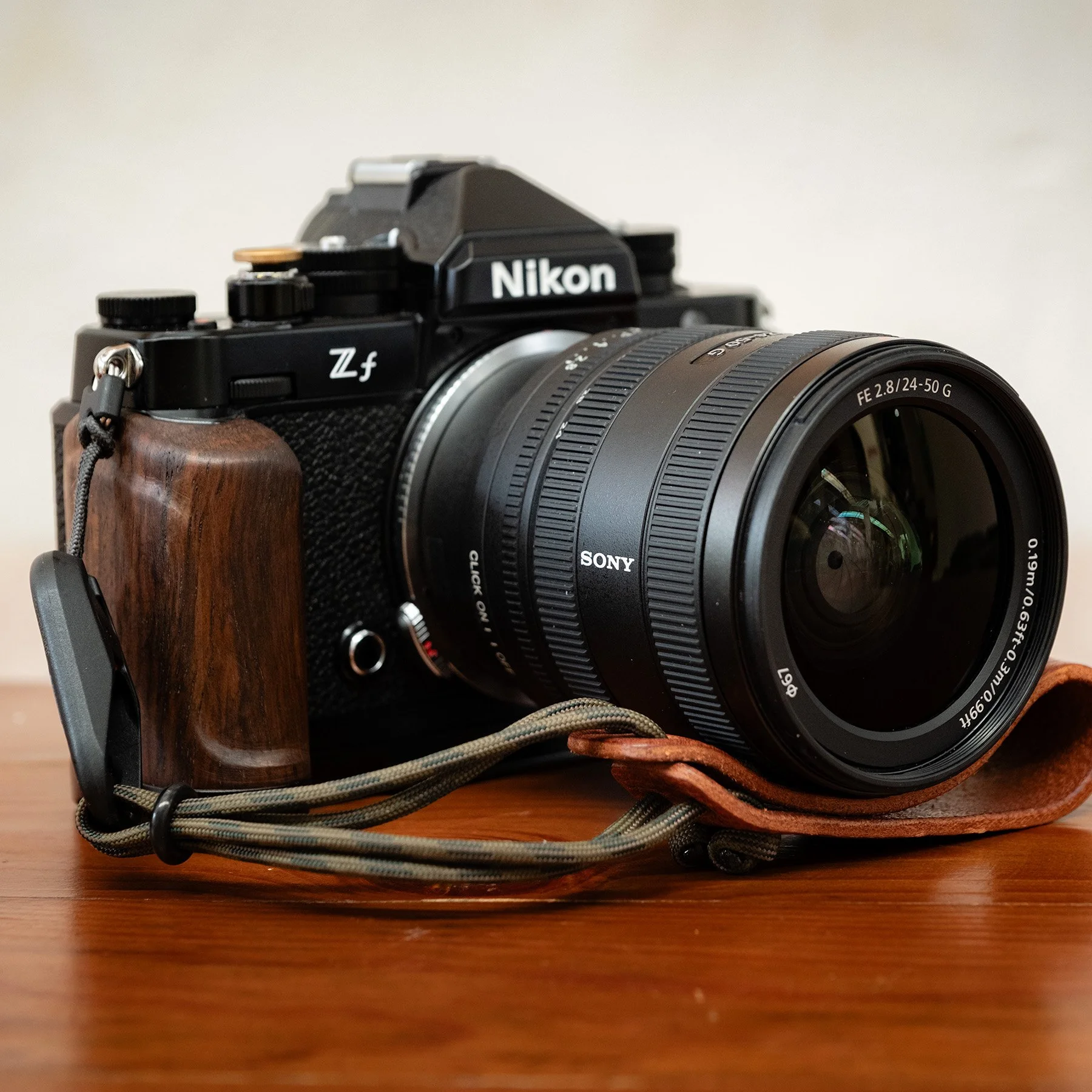
I Tried Sony Lenses on My Nikon… It Actually Works
So, I bought a Sony FE 24-50mm f2.8 for my Nikon Zf and if you’re like me, you probably have quite a few questions. Why this lens instead of a Nikon lens? How does this work and does it actually work reliably? There must be drawbacks right, you can’t just use another brands lens on a camera… Can you?
I had all of these questions myself and couldn’t really find great answers online, thus I’ve spent the last 4 months living with this setup to test the auto focus, functionality, and discover all the quirks and features of mashing two brand’s together into what I think is an ultimate setup. The results? Well they were better than I expected and the best part was discovering what this means for the future of Nikon’s Z Mount.
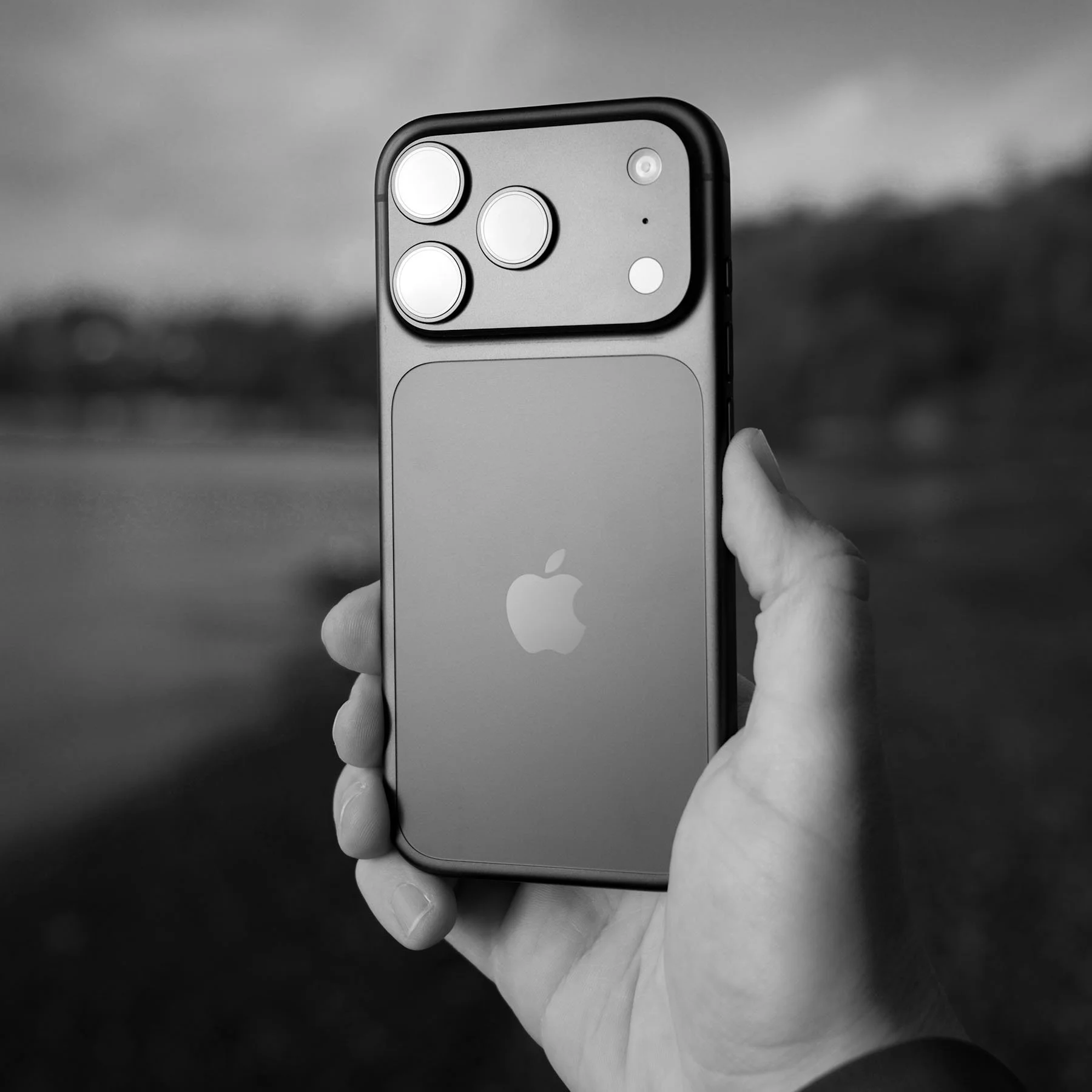
A Complete Guide to No Fusion
If you’re like me, you’ve never been really happy with the images that come right out of the iPhone, specifically for anything photography related. Snapshot images or memories? It handles those swimmingly - they just have that “phone” look, typically associated with overly sharp images where dark and bright areas look too crushed.
I figured there had to be a better solution out there, thus a few months ago I spent a lot of time trialing different apps on the iPhone to see if something existed that allowed me to shoot pleasing images without any editing required. From that research, I discovered my current favorite solution, an app called No Fusion. In this article I want to go over the best ways to use the app and deep dive into what makes it great.

Photography from $0 to $10,000
Have you ever been curious to know what spending more money on a camera system actually gets you? What if I told you that going from a $100 camera to a $10000 camera, you’ll actually lose features. To find out, I’ve got six tiers to showcase everything you could possibly gain, or lose when spending more money.
Photography has a ton of variables depending on what you enjoy photographing. If you’re a landscape photographer you care far less about auto focus and far more about a sturdy tripod and image quality. If you’re a street photographer you’ll prioritize weight, size, and focal length far more than say, a wildlife photographer. Thus it’s impossible to compare cameras for every genre as certain cameras are better tools for the job than others.
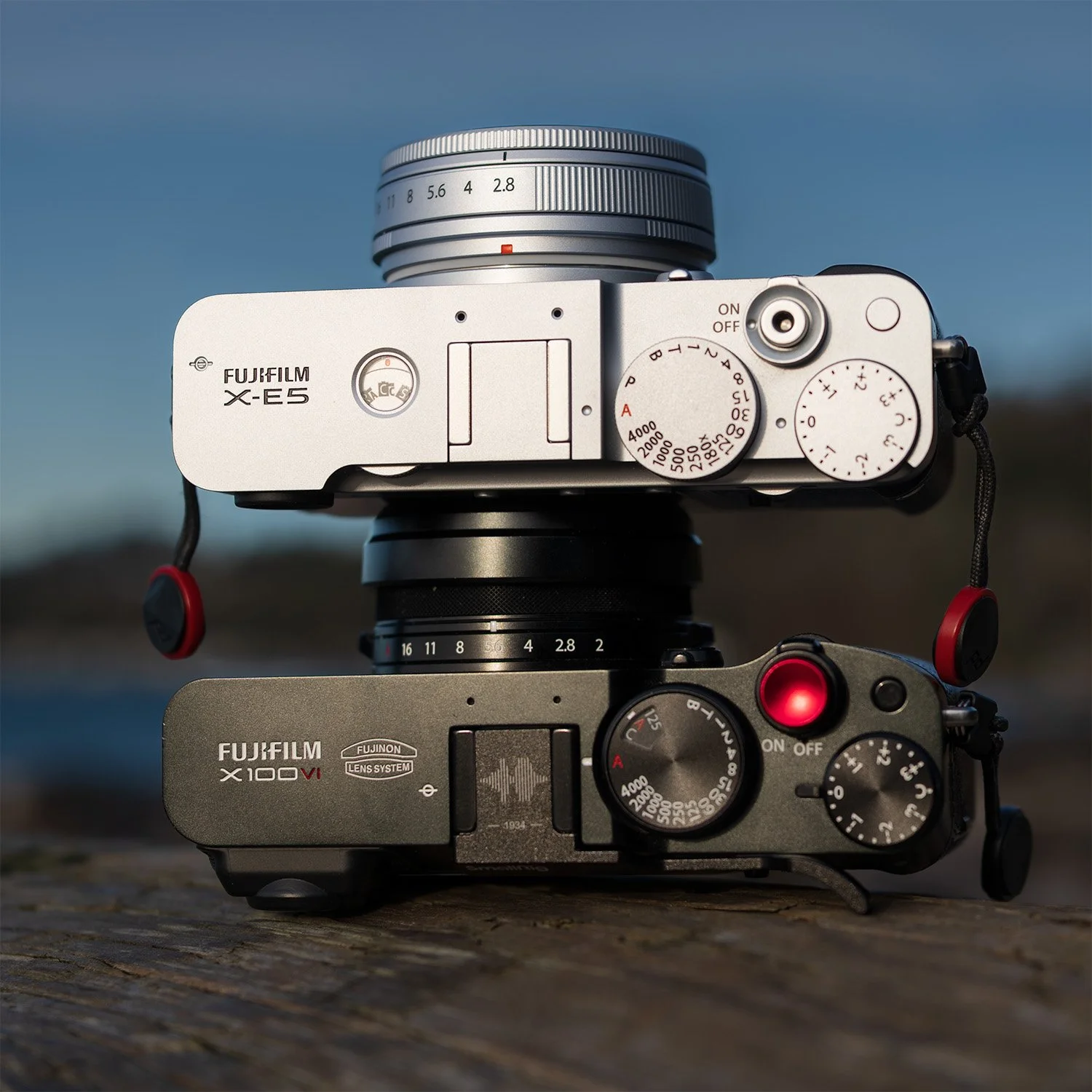
Fujifilm X-E5 Recipes
I’ve spent a couple months shooting with the Fujifilm X-E5 and put together my full review on it on my YouTube channel. Throughout that review I was testing a few new (and old) recipes on the Fujifilm X-E5 that I wanted to share here if you’re interested in using them yourself!
These recipes are not exclusive to the Fujifilm X-E5. Any camera with the X-trans 5 sensor can utilize these such as the Fujifilm X100VI, Fujifilm X-T5, Fujifilm X-T50, and a few others. Honestly these likely work great on other sensors as well (I got to use a few on the GFX100SII at some point), but your results may vary.
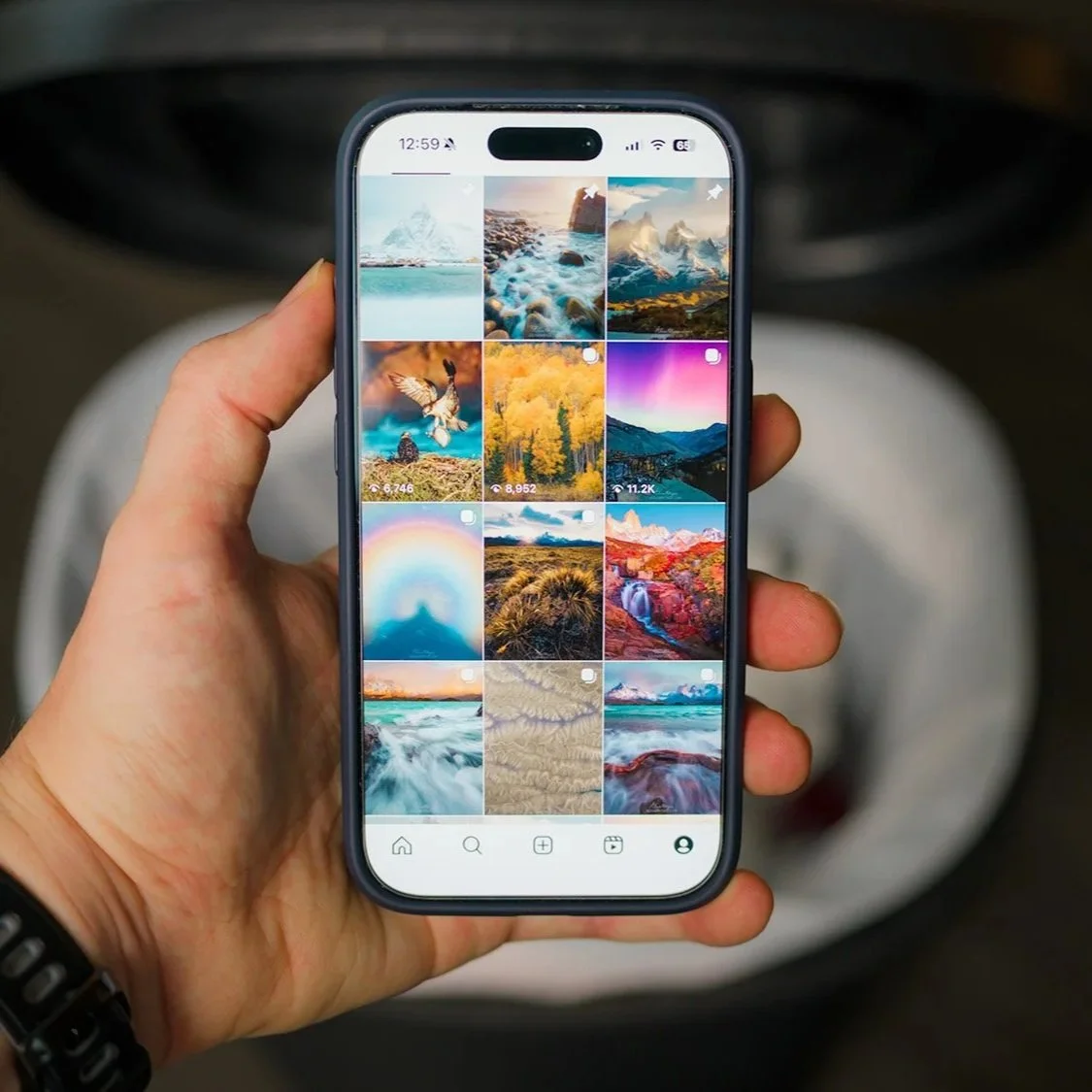
Why I Quit Instagram After 10+ Years
I credit Instagram for inspiring me to find landscape photography and push myself to travel. In 2014, Instagram started to shift from an app people used to add filters to their smart phone photos to a social platform where photographers dominated. This was the era when the chronological feed was still alive and before the algorithms changed everything. A place that platformed travel photography, grand landscapes to the masses, and inspired me to leave my home town to explore the world.
This started the golden era of Instagram for photographers… but golden eras don’t last forever.
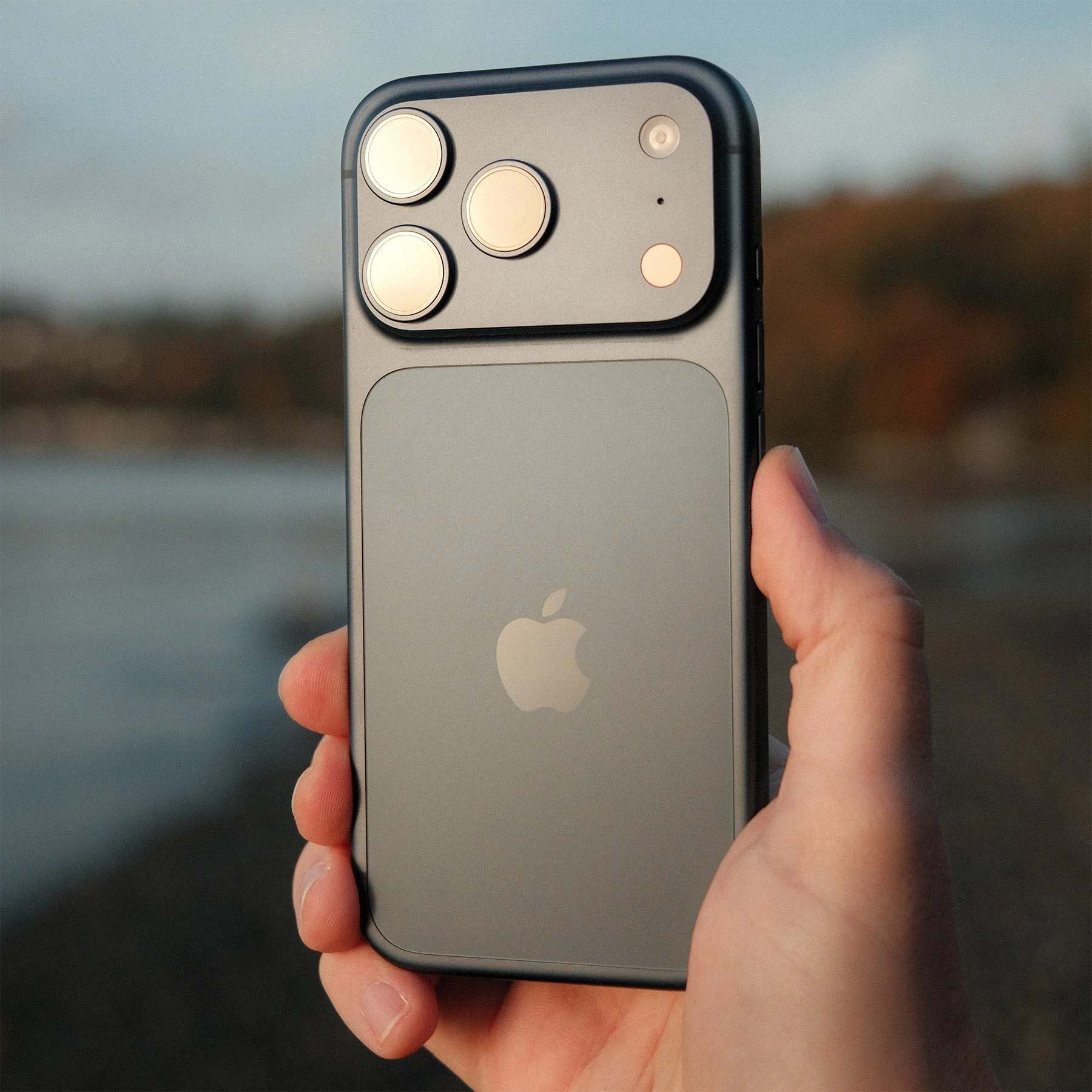
How to Take Great iPhone Photos Without Editing
Whether you’re a photographer or someone’s grandma (or both), you can identify “phone” photos. These are the photos that have no shadows or highlights, overly sharpened gritty details, and always make colors a bit more saturated than they are. For the masses, phone photos are great. They allow us to capture snapshots and memories with all the details we want, like our silly faces regardless if we are shooting directly into the light or not. The problem is, these photos suck for photography.
Is it possible to get photos straight from your phone that don’t look anything like “phone” photos?

Better Than Fujifilm? Nikon Zf Film Grain
The Nikon Zf firmware 2.0 update is quite literally why I bought my own Nikon Zf. If you’re unfamiliar, firmware 2.0 is what introduced what we now refer to as Nikon recipes. This opened up the camera to essentially be able to create imaging profiles similar to Fujifilm’s film simulations or recipes.
Film grain was the last separation between Fujifilm’s offering and what Nikon Recipes were capable of. In this article we’ll cover how the film grain is implemented, if it works with recipes or not, how pleasing the results are, and why I think it might be better than Fujifilm.
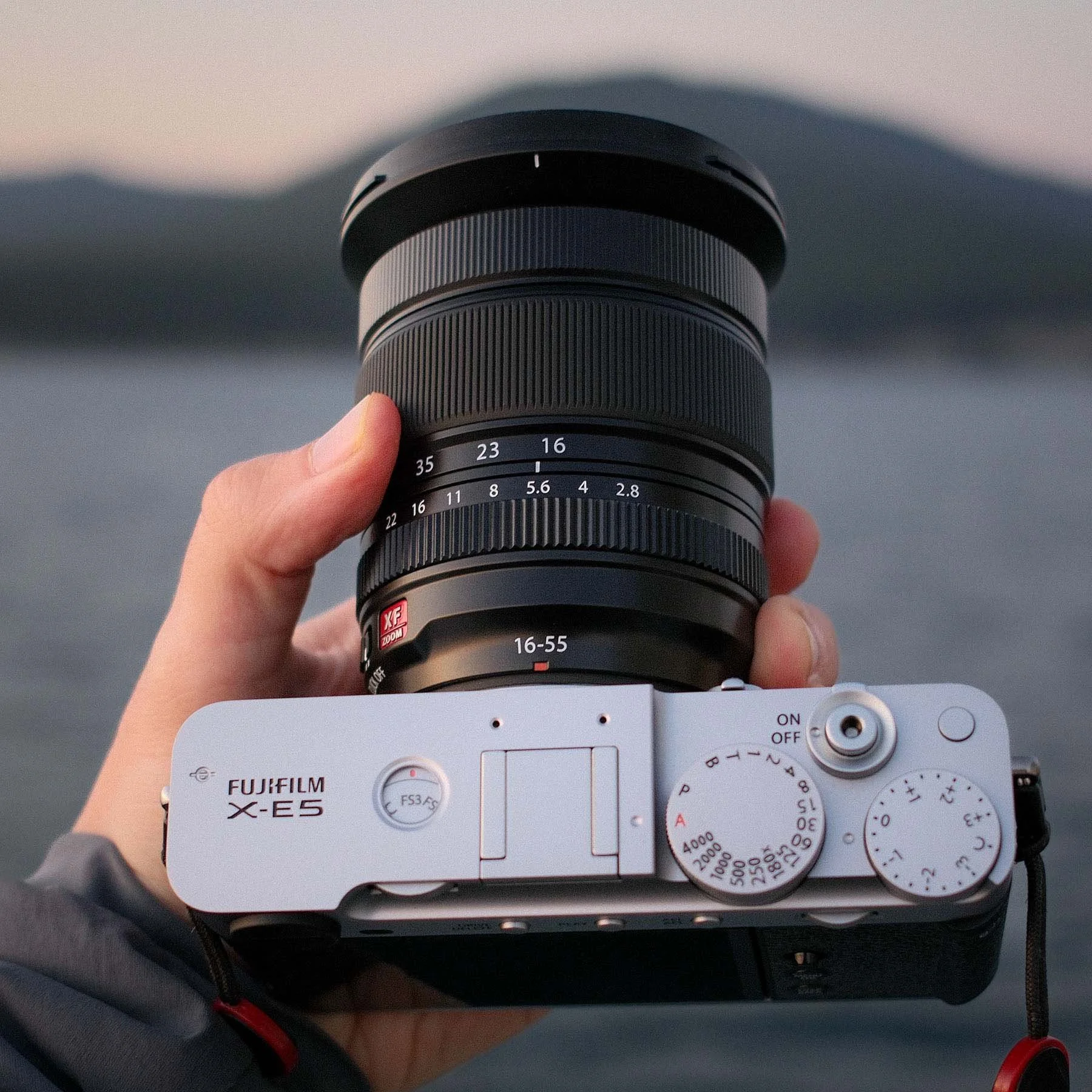
Fujifilm XF 16-55mm f2.8 II First Impressions
For most of my photography career, I’ve only ever owned between 16-35mm and 70-200+mm. In the past year I’ve been dabbling in the world of more portable cameras utilizing prime lenses, typically between 35mm and 40mm. When I decided to go on a photography trip with only a single camera and lens, I really wanted a bit more versatility than the Fujifilm XF 23mm f2.8 that came with the Fujifilm X-E5. Thus I hesitantly picked up the Fujifilm XF 16-55mm f2.8 II, my first ever mid-range lens for photography. These are my first impressions with the lens.
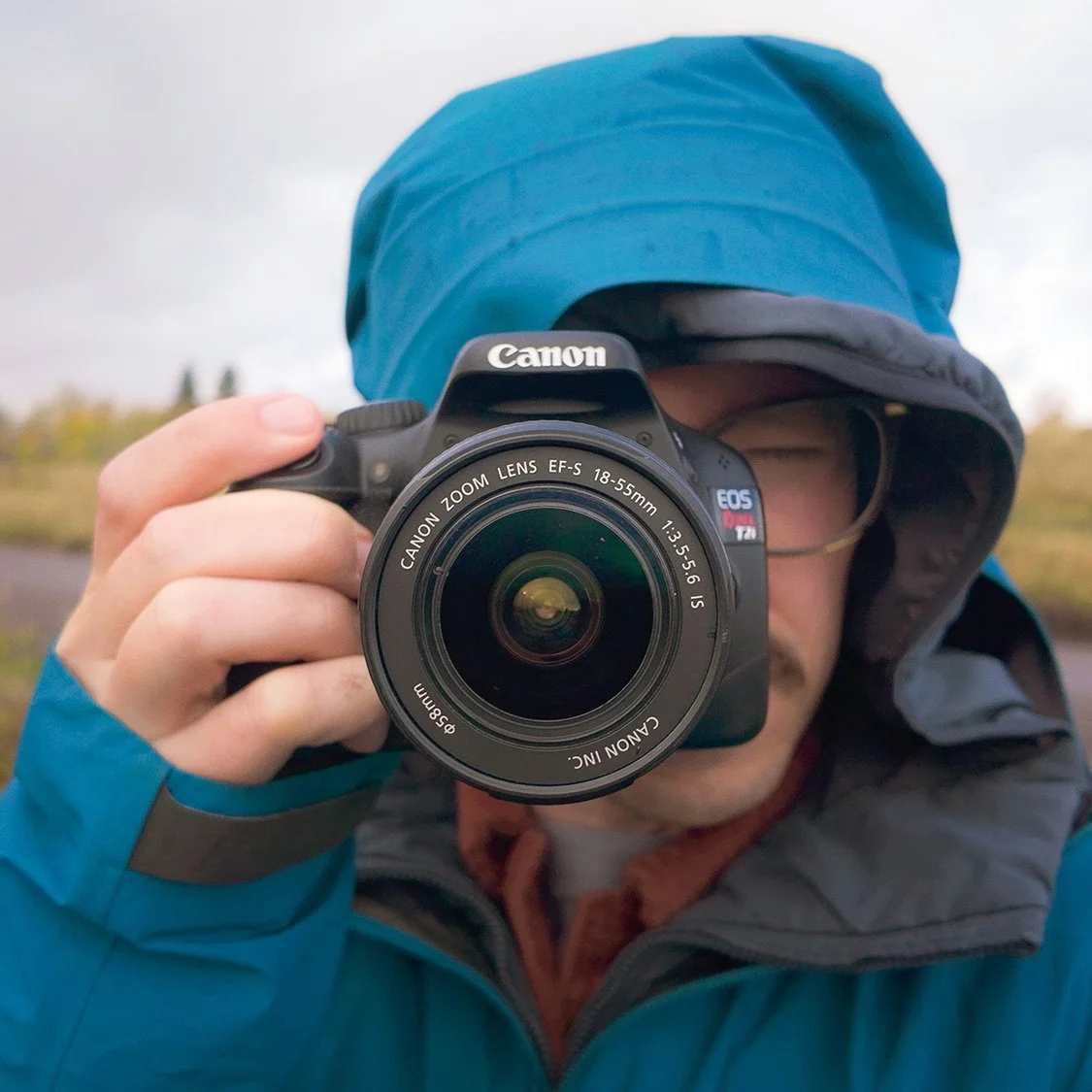
Best Budget Cameras ($100-$300)
Photography isn’t really known for being an inexpensive hobby or profession. Sometimes that can be a huge barrier to entry for anyone looking at picking up their first camera to start learning photography. As of writing this, the least expensive new camera and lens (that’s been released in the last 5 years) is the Canon R100 which costs over $600. While that camera is mostly capable, we can stretch a lot less money for even better results.
As technology has improved over the years, it means there are actually quite a lot of very sufficient cameras out there collecting dust. Everyone has moved to mirrorless technology which leaves used DSLR cameras and lenses sinking lower and lower in price. Simply put: there has never been a cheaper and easier time to start photography.
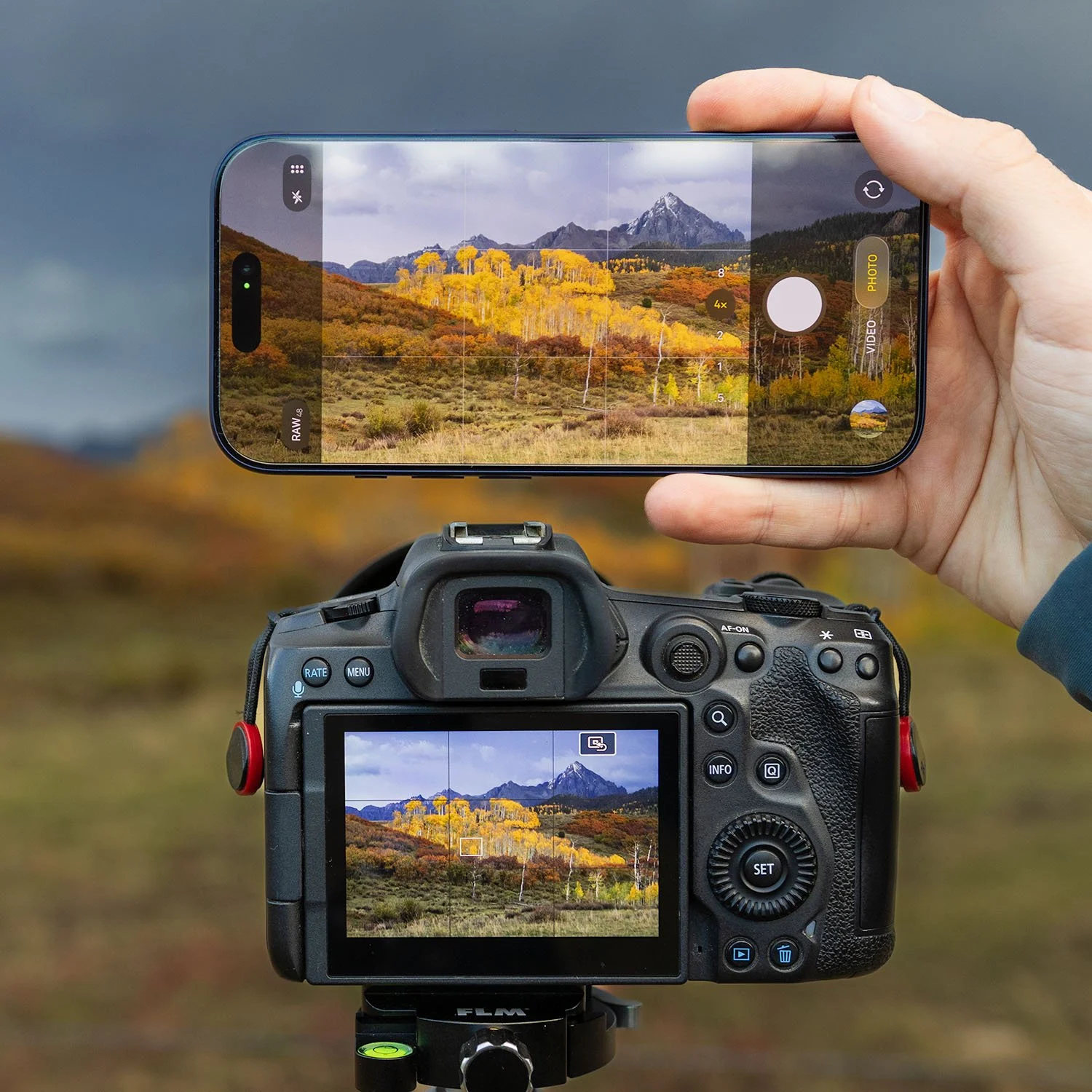
A Review of the iPhone 17 Pro for Photography
Every year I take the new iPhone Pro model and compare it to my Canon R5. This is my 5th year in a row conducting this comparison, and over those years I’ve been extremely impressed and sometimes disappointed. This year I was hopeful to see an improvement on the new Telephoto lens but as you’ll see from the images, it is not all about a stat sheet. I’ll let the photos speak for themselves and also you can download a few of the raws I’ve taken this year to explore them yourself.
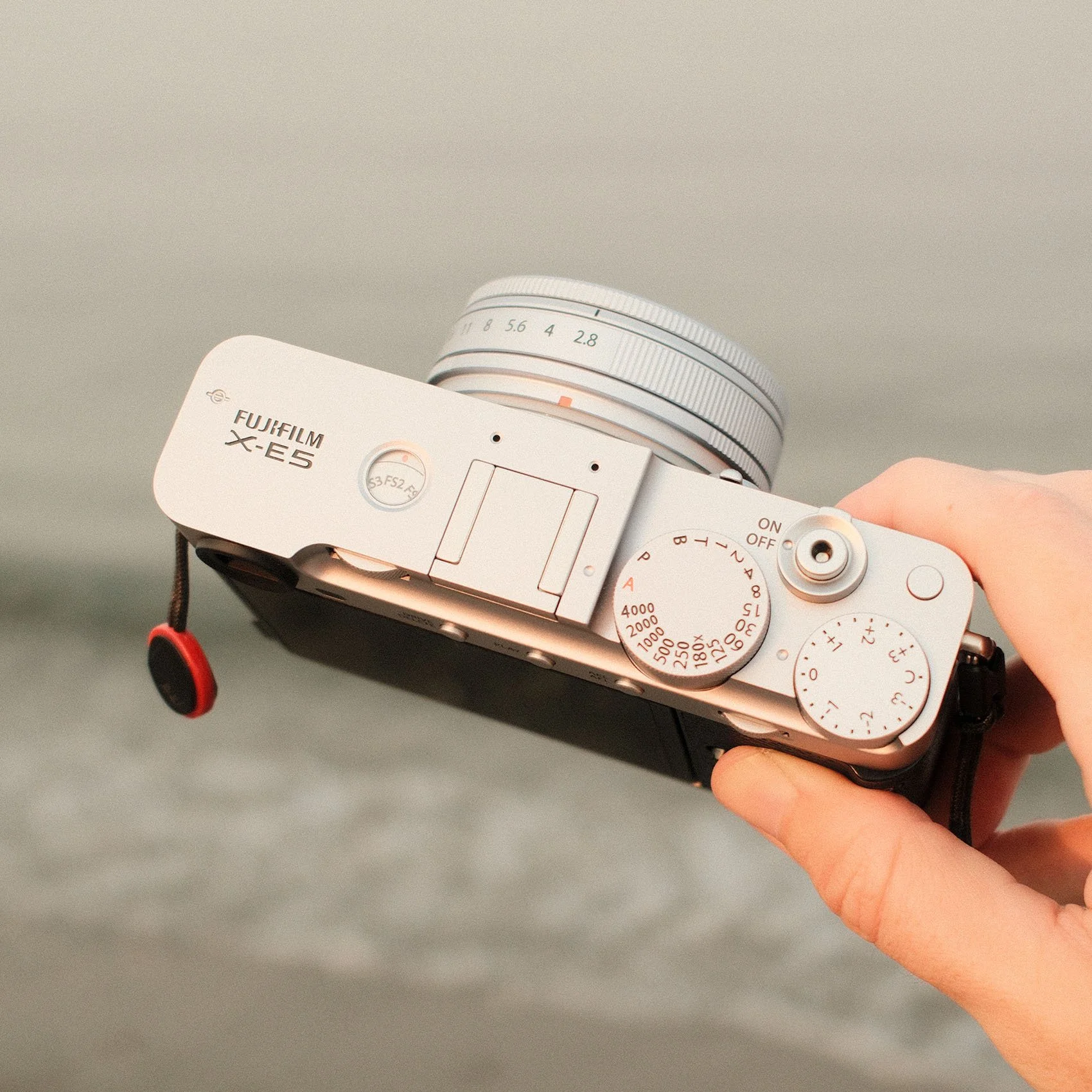
Fujifilm X-E5 First Impressions and Recipes
I was lucky enough to get delivery of my Fujifilm X-E5 plus the Fujifilm XF 23mm f2.8 right as it came out thanks to B&H. I’ve had a chance to spend a full day using the camera, thus giving me a really good first impressions of the camera. Normally I wouldn’t talk about a camera after only using it for a single day but considering how similar (nearly identical) this camera is to the Fujifilm X100VI, I feel more at ease giving you my thoughts. To summarize: I really wanted to love this camera but there are a few design choices that leave me questioning if they actually used the camera before manufacturing it.
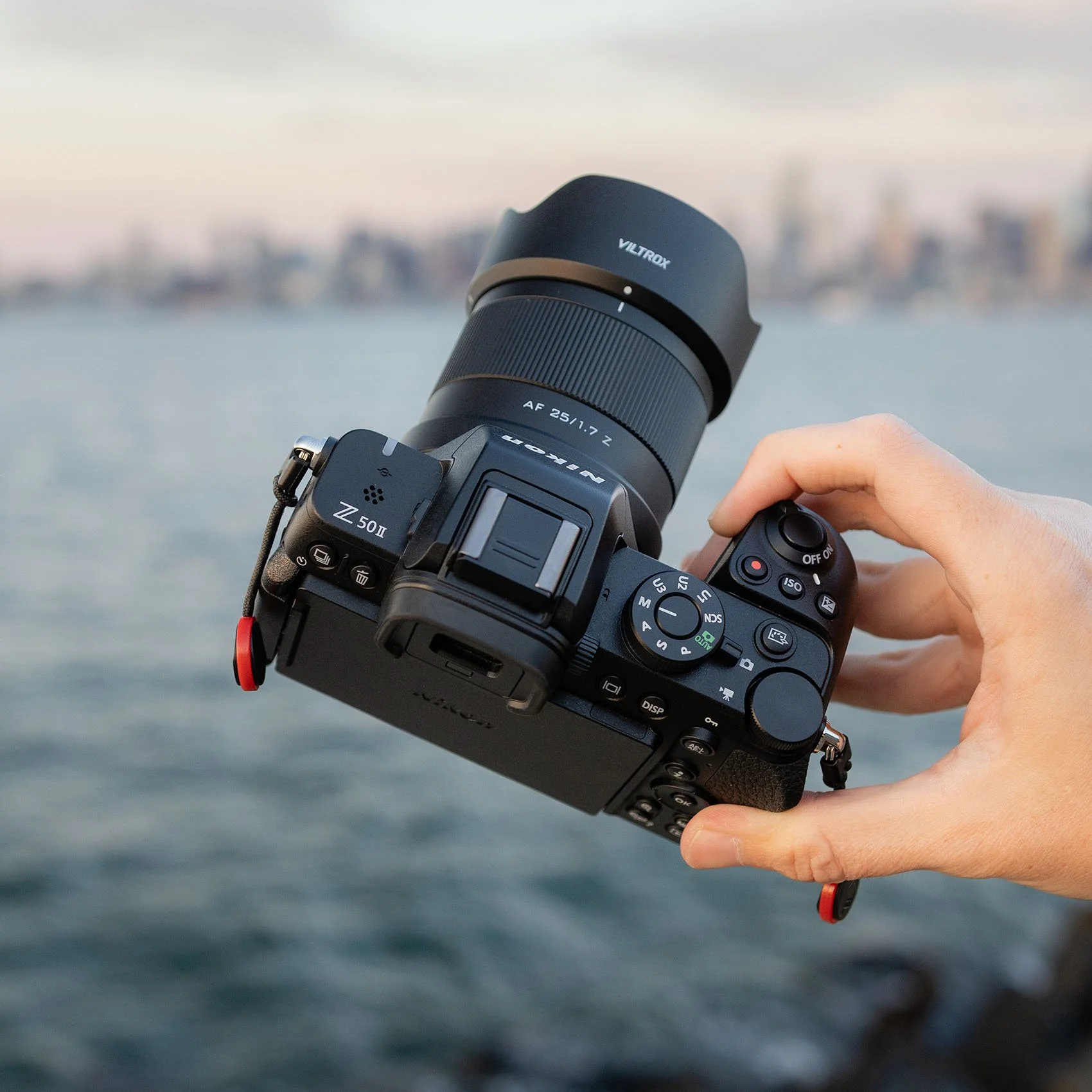
The Best Camera Under $1000 (2025)
Not long ago the sub $1,000 camera was a competitive segment of the photography market but as costs increase and inflation rises, the options have become less and less. More importantly are any of the cameras you can get for under $1,000 even worth buying in 2025? In this article I’ll cover all your options for new cameras that fit a budget of $1,000 or less and exactly the ones you should consider. One of them is so good, I bought it myself!

The Magic of Medium Format… is a lie?
I recently got to spend some time with the Fujifilm GFX100S II (thanks Fujifilm!) and from the moment I took the first shots, I was skeptical. Not because the images weren’t great, they were incredible. So much so that it seemed too good to be true. Was it just the moment, the light, or was there something more going on with this sensor?
Recently I owned the Hasselblad X2D and while those images were full of detail, they never made me question my camera choices, which is why I was so confused by my first shots with the GFX100S II as they have the same sensor.