
The Unique Power of Xpan
Up until a few years ago, I never used a crop mode outside of creating thumbnails. Honestly I thought they were kinda stupid because I could always just crop into the image later, why would I waste time doing it on my camera? Well, as it turns out with many things in life, I realized it was me who was stupid.
Now of course there’s nothing wrong with snapping full sized images and just cropping later but as time has gone on it’s become very apparent that the hardest part about photography is simply “seeing”. It’s not about the light, the shutter speed, the settings, or even the focal length. It’s just finding the hidden pieces too a complicated puzzle. Using a crop helps by being able to cut out a bit of the noise or simply piece together as much of the image right into the camera as I can. It helps to build something you otherwise might not even know was there.
The crop I probably use the most happens to also be the most ridiculous. 65x24, also known as XPan. Being that we are in Alaska now, it doesn’t get much better than this for some super wide shots.
Why Xpan?
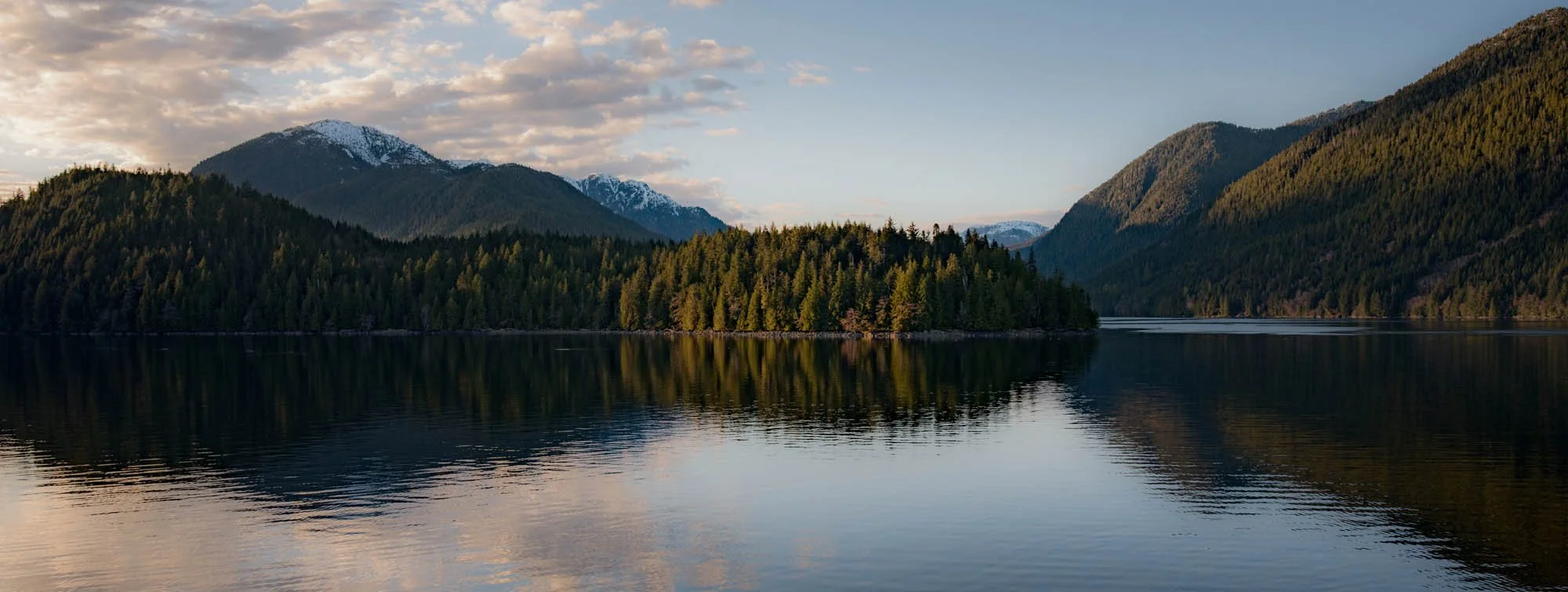
Hasselblad X2D II + XCD 35-100
Xpan is such an extremely narrow field of view that it’s really helpful to see it in the field, especially when capturing images that don’t fit within the “Cinematic” style that Xpan captures so well. But to explain that type of image we need to understand a bit about why Xpan feels cinematic.
A lot of people refer to this aspect ratio as cinematic. One of the key reasons is simply that Xpan or similar aspect ratios mimic the visual language of cinema. Things like panavision or any anamorphic shot you’ve seen in the last 20 years. It’s important to note that we don’t have strong visual associations with all aspect ratios, but we absolutely do with a few. Like if you see any image or video formatted into 9:16 vertical, it instantly can be recognized as some short form content you probably consume on your phone. You might even call it a “tik tok” or “reel.”
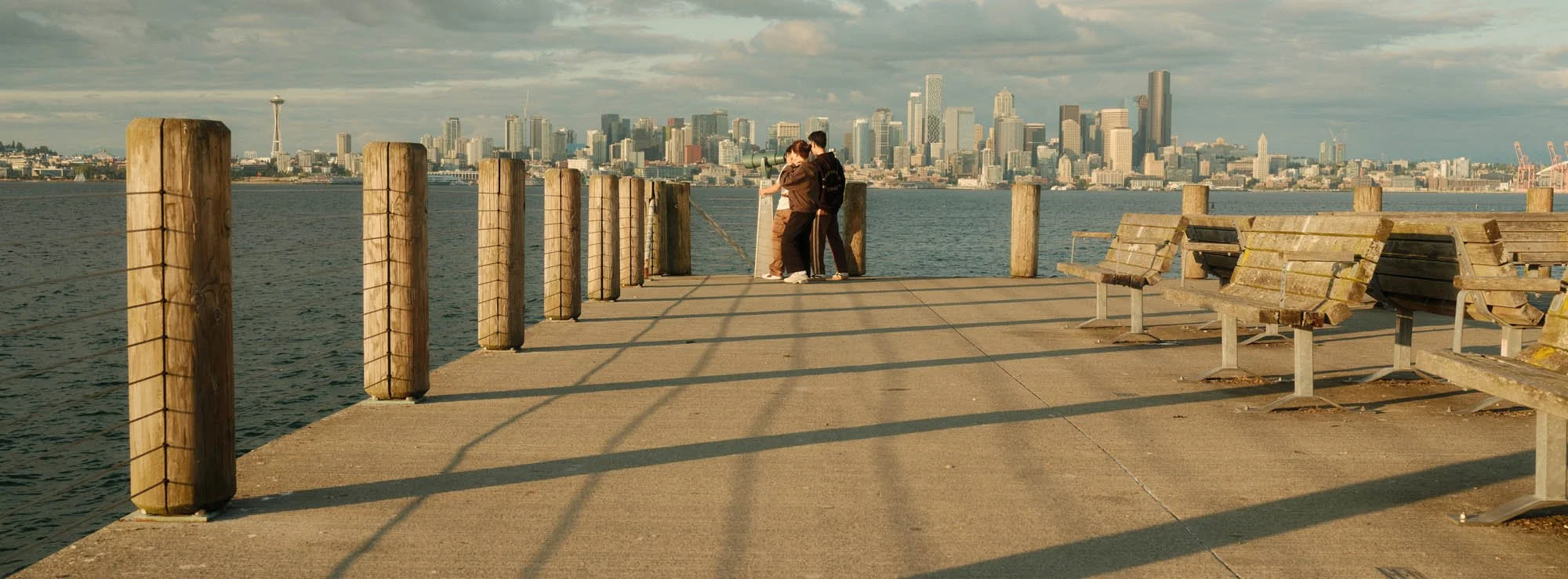
Fujifilm GFX100SII
Most of our lives, content isn’t shown to us in an aspect ratio as extreme as Xpan and when it is, 9 times out of time it’s probably on a cinema screen. Or if you were alive during the early 2000’s and you had to watch ultra wide screen moves from a DVD on a 4:3 tube television, that was peak cinema and exactly how the cinematographer intended you to see it.
Jokes aside there’s more to it than just our association to cinema. The Xpan ratio captures what’s on the horizon really well. It cuts out the repetition of a cloudy sky and the monotony of the foreground to show you a cinematic slice of real life. Everything you need to see is right there on the Horizon. These are the images that I’ve captured the most so far here in Alaska, because they are everywhere. Now one thing to note is that you can’t just take any image and make it look cinematic, it won’t magically do that for you but it certainly can help at times.
Balancing Subjects and Negative Space
One really unique aspect of such a wide ratio like 16:7 or Xpan is how balancing subjects is very different than almost all other aspect ratios. Because theres not much room on the top and bottom, most of the time your subject has to sit somewhere in the center of the frame. When taking more intimate scenes where subjects are much closer than something like a range of mountains, the weight of your subject feels substantial. Take this image of the plane and mountain as an example.
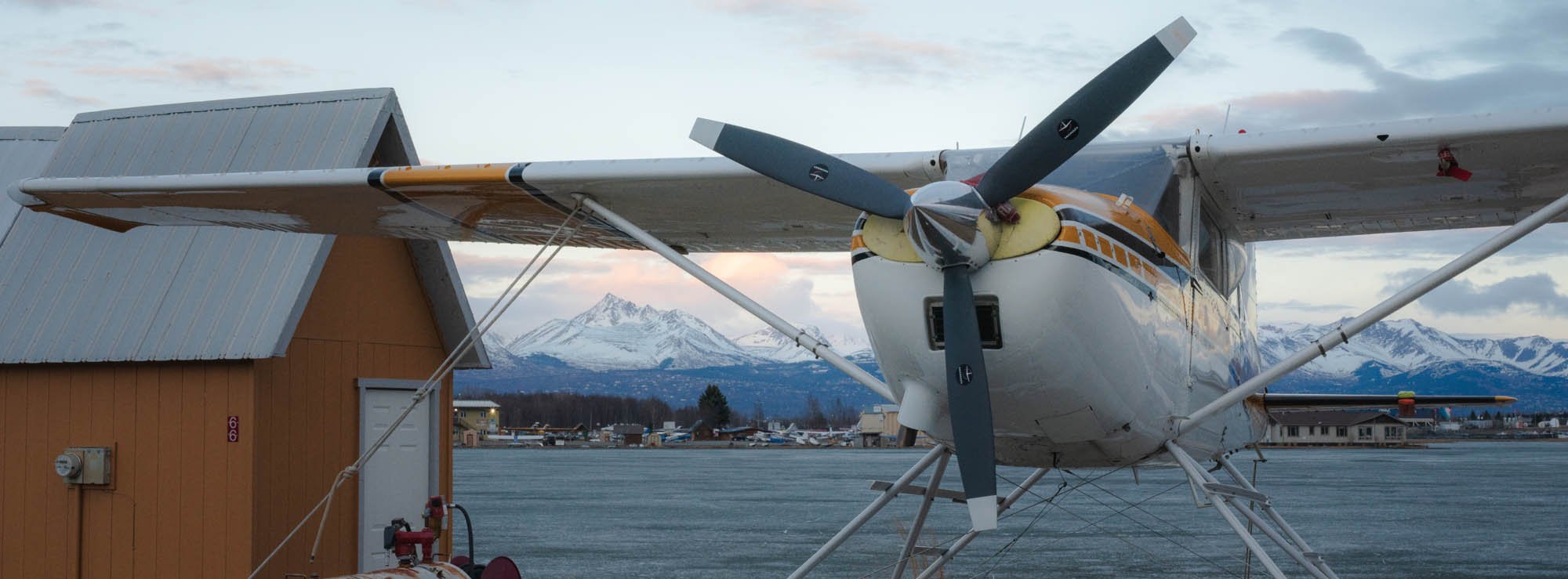
Hasselblad X2DII
If I wanted to put the propeller in the same spot but there was no supporting subject of the mountain, it would feel off balance. I’ve found that if you have a subject that isn’t at the center of the frame then supporting subjects are a lot more necessary when shooting in Xpan. Each of the subjects also tends to hold a bit more weight as well.
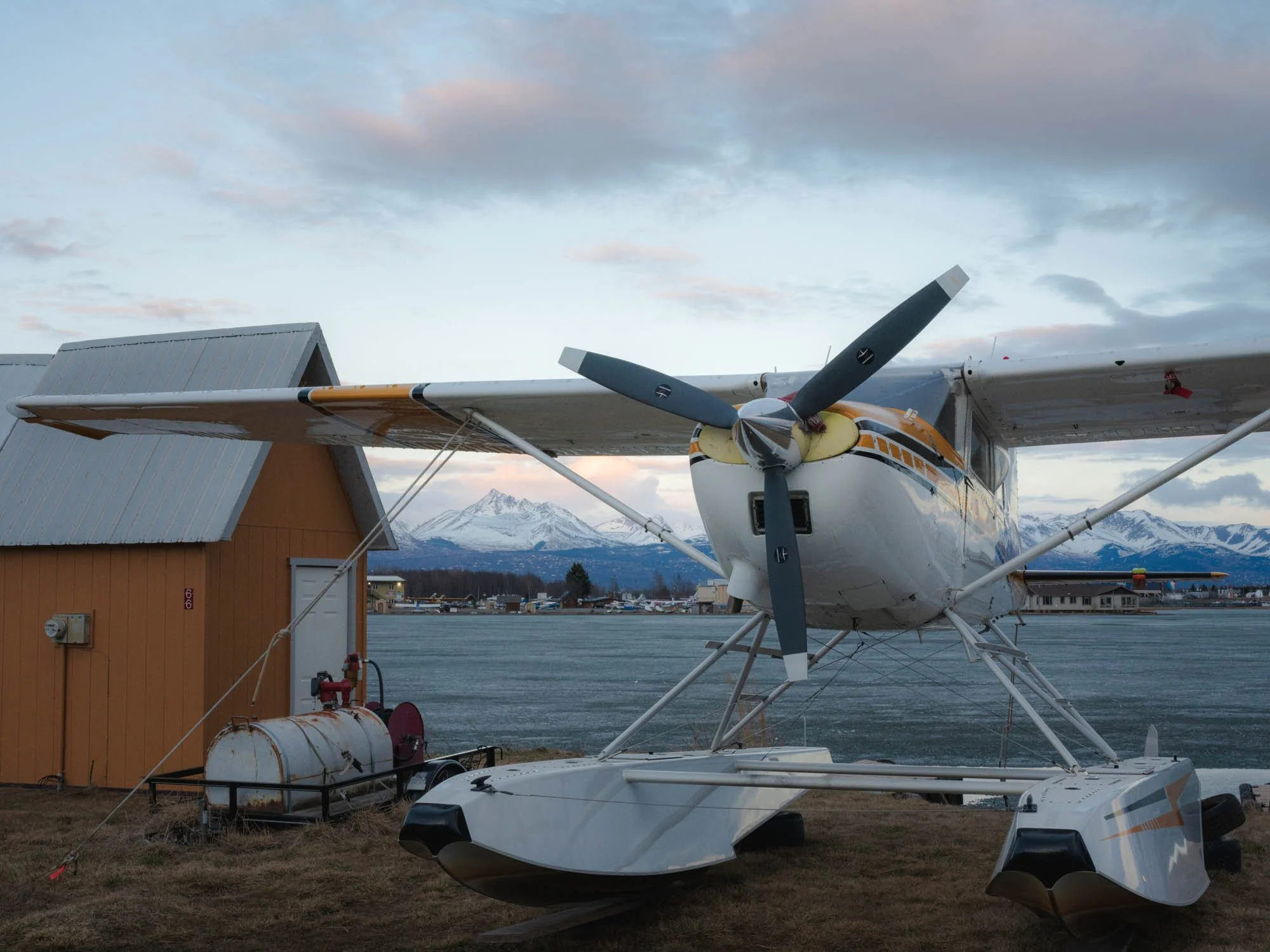
Looking at the full image, you lose so much emphasis on those two subjects as well. The image suddenly becomes a lot less about the mountain or front propeller and a lot more about a float plane during sunset.
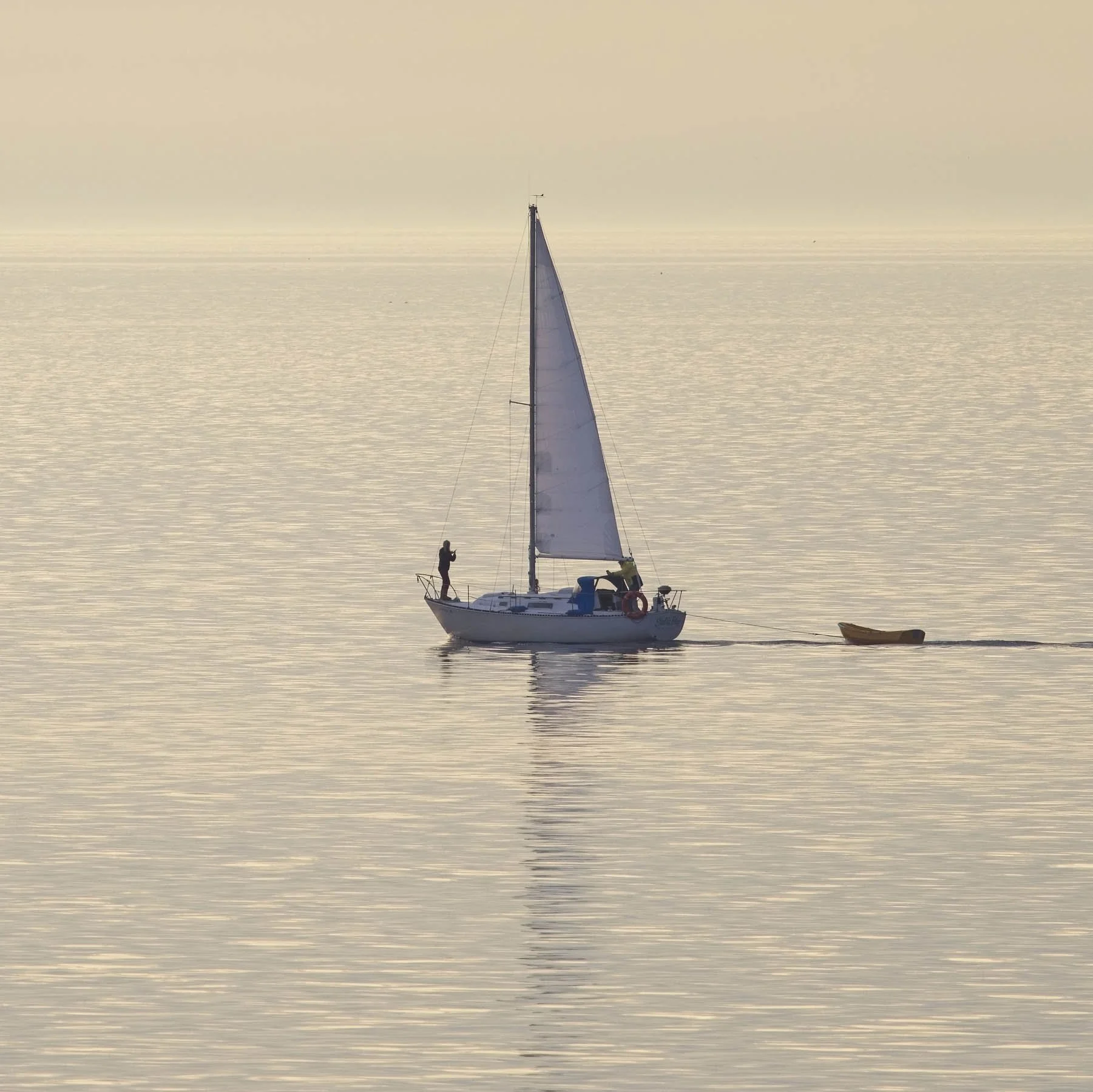
Canon R5 1:1 Crop
Another strong use for these narrow crops is negative space. Take this sailboat for example. When I put the picture into a little 1:1 box it almost feels safe. Like on a quiet outing out on the water.
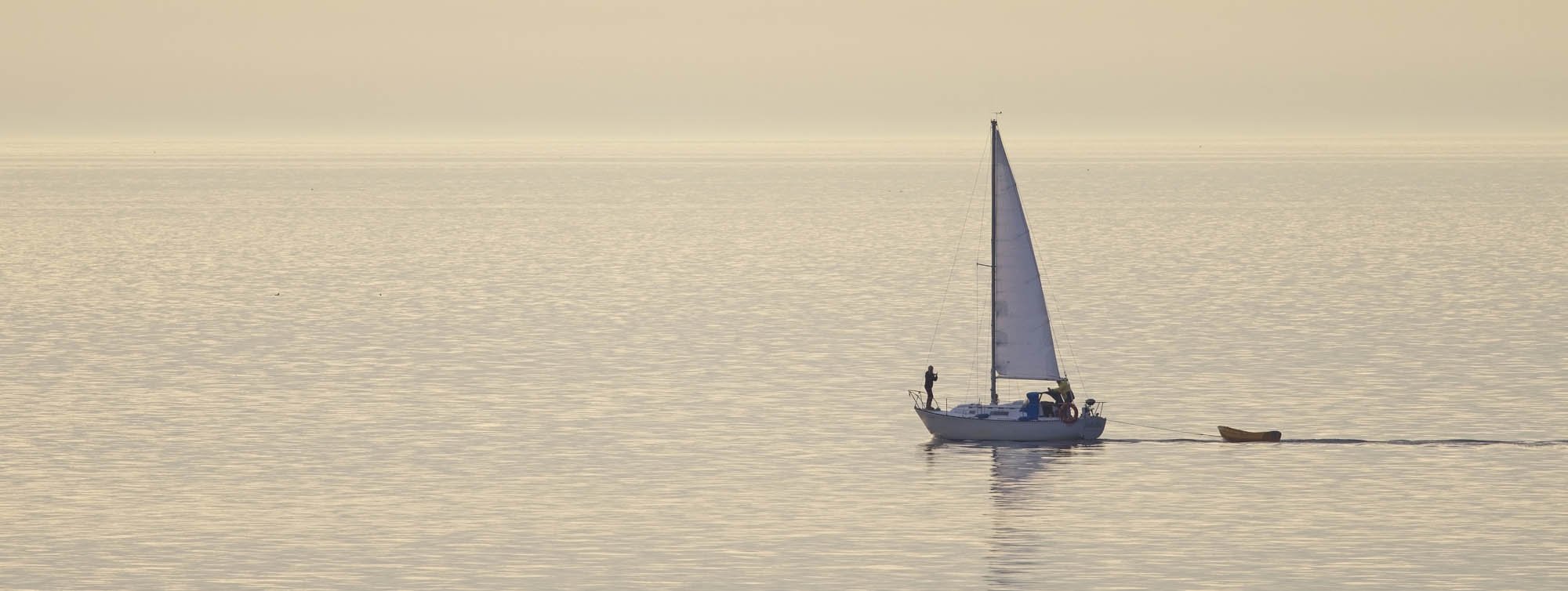
Switching it to Xpan feels more empty. More lost. Maybe even a little more dangerous being out in the vast endlessness of the ocean. You don’t quite know what’s out there.
Curiosity of Xpan
Speaking of not knowing, curiosity is also a great little trick utilizing this crop mode. One of the more difficult ways to use this crop is framing small scenes with such a narrow scale. Think about street photography, but only a slice of it at a time. If the grand cinematic scenes show you everything you needed to see, this type of scene raises more questions than answers. It allows you to not show everything but just enough context to generate curiosity.
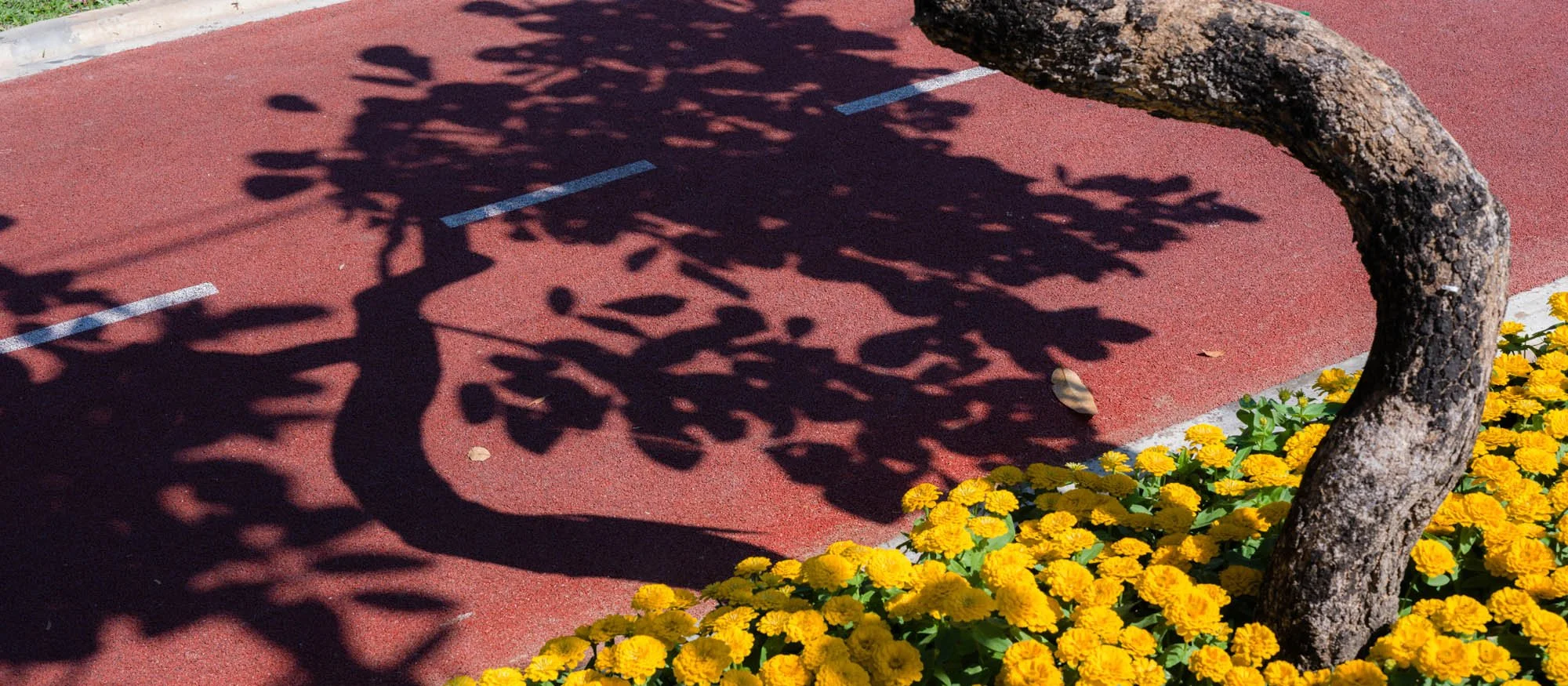
Hasselblad X2DII
Let’s start with an image from a project I’m working on using shadows. By excluding the entire top part of the frame, you never actually get to see the leaves of the tree on the right hand side, you can only see them within the shadow on the left side. While we cannot see the top of the tree, we have just enough context for our brains to put together that it’s likely casting the shadow we can see. I’ll admit this isn’t a mystery thriller or anything, but I do love both the balance of the tree physical tree and it’s shadow while also utilizing the ability to cut out context so it’s not as instantly obvious what you’re looking at initially. What you can’t see is potentially more important than what you can see. It requires the viewer to spend a bit more time with the image, which is something I think we could all gain a bit from.
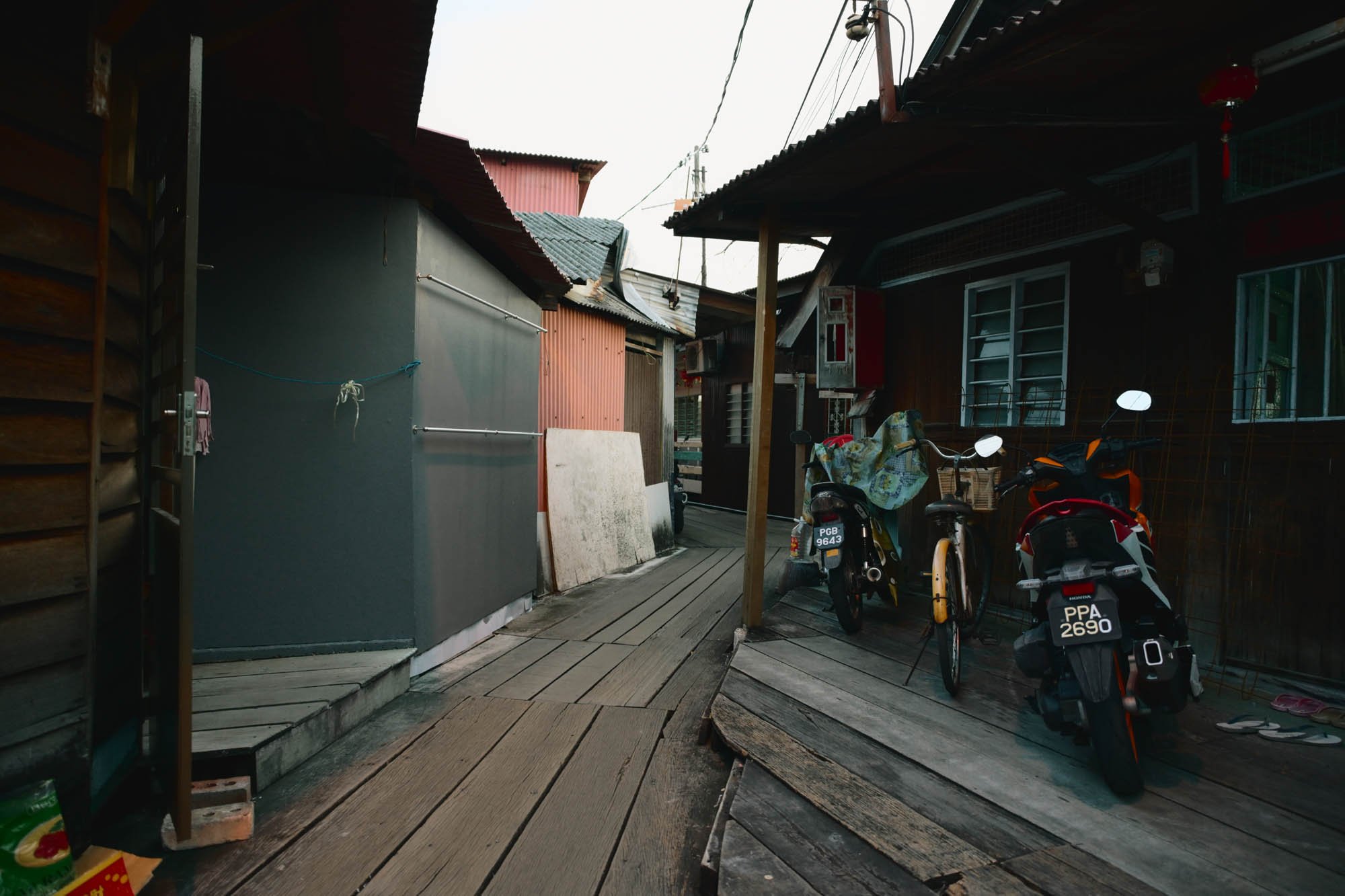
Nikon Zf
This other image was taken on a floating village in Malaysia. I didn’t take this image with this crop in mind and if I did, I would likely have walked away with a stronger image. Taking a look at the full image, you get the idea this is some alleyway that leads somewhere, taken up by buildings that appears as if they have people living in them.
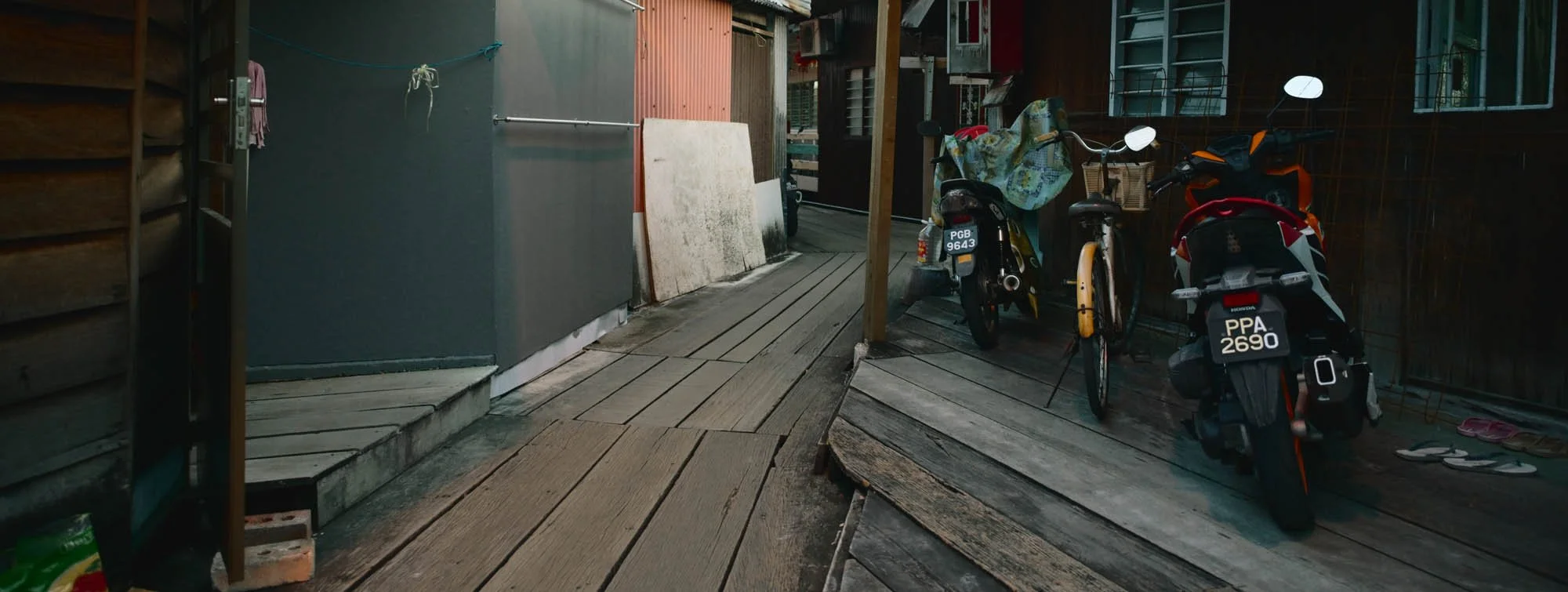
Once you crop into xpan, you’re still left with the context that people likely live here, but now the walkaway becomes a lot more present. Why is it wooden? It almost looks like a dock. Wait is this a floating village? These are all questions you could generate from the full image, but by removing so much of the top of the frame there’s less to absorb, and we are able to direct the viewers attention to the walkway, thus hopefully inducing more questions within the frame than answers.
One things for sure, these types of images are not easy to spot and being able to narrow them down in the field is super helpful. If you’re like me and most of your cameras don’t have the ability to shoot in an aspect ratio like this, you can add some physical bars to the back of your view LCD, thats about as good as it gets for now. I hope other brands add more. It would require very little effort and genuinely improve the experience of shooting.
Thanks for reading - if you enjoyed this and want to support my work. Consider joining my newsletter, purchasing a camera guide, leaving a comment, or just throwing me a cup of coffee below.