
A Review of the iPhone 18 Pro for Photography
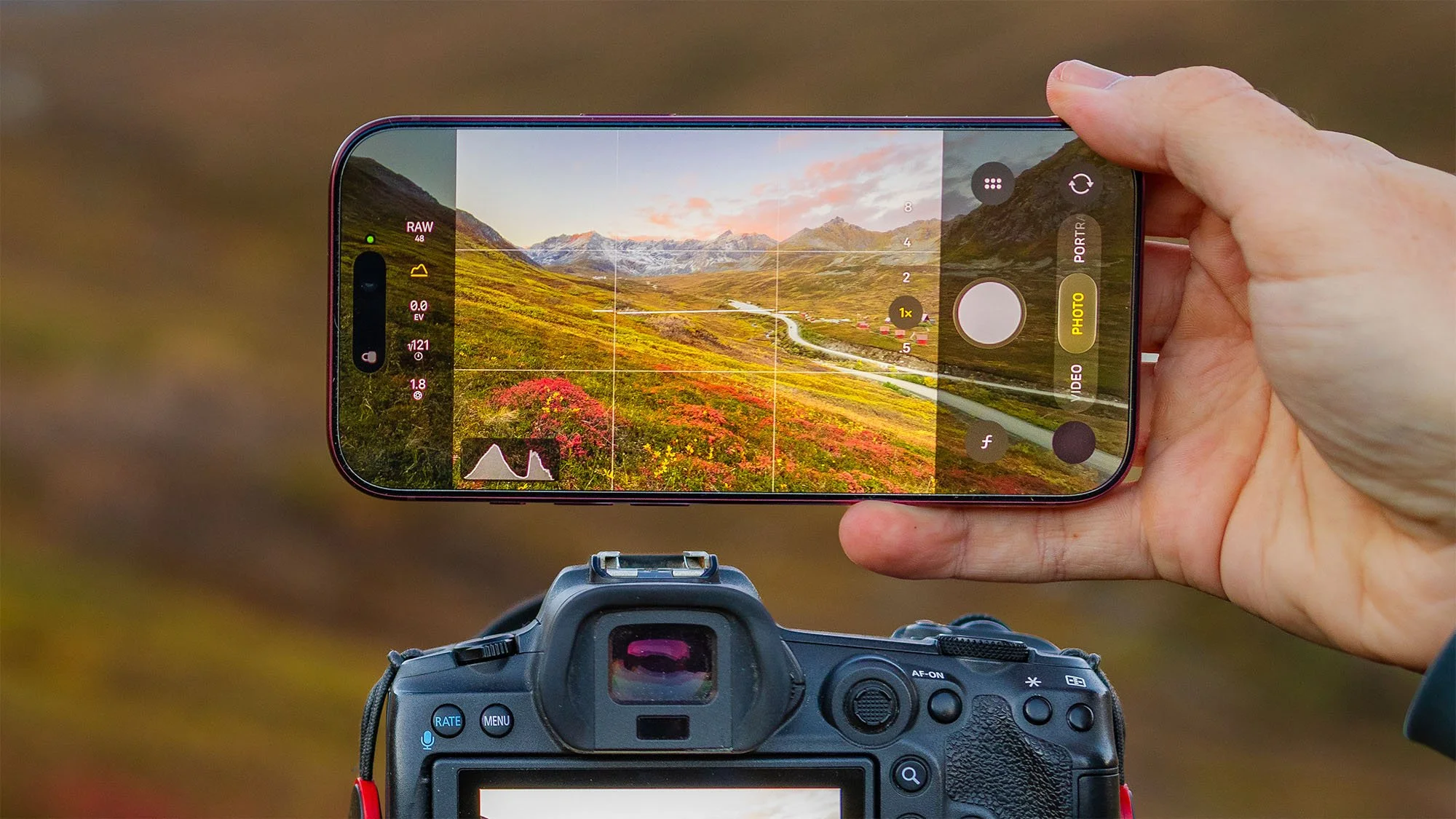
Over the last six years, I have pushed the boundaries of what an iPhone is capable of. So when Apple announced the biggest update this year to the iPhone 18 Pro is the added variable aperture to the main camera, I was skeptical, to put it lightly. But after comparing it to my full-frame Canon R5 to test things like the added depth of field and low-light capabilities, I've come away pretty surprised by this update.
In this article I’ll cover my results testing the new impact the added aperture ring has had on depth of field, image sharpness, and the low light capabilities. However all of those are somewhat overshadowed by the improvement in image quality overall from last years model. Aperture wasn’t the only addition this year with an update to Apple’s photographic styles, they’ve added the ability to add grain, flow, and a film look.
As always you can download a few of the RAW files to explore for yourself as well.
All images in this article are edited to match my editing on the Canon R5. The idea is to see if we can push iPhone photography to the limits and match a full-frame camera like the Canon R5. All images were taken utilizing 48mp Apple ProRAW unless stated otherwise.
Improved Sensor Quality
So… I went into this thinking this year was not much of an update. The main headline was the fact that the main camera was now going to have a variable aperture from f/1.48 to f/4 rather than a fixed aperture like the iPhone 17 Pro (or all previous iPhones) had. The biggest surprise wasn’t the aperture ring though, it’s the sensor.
Apple announced this new addition but didn’t really highlight or show off the new image quality of the main sensor. Thus when I started looking at the results from my tests this year, I had to make sure I had the right photos. Then I had to check other photos just to be certain because the improvements are so strong when you pixel peep that it’s genuinely hard to tell the difference between the iPhone 18 Pro and my Canon R5.
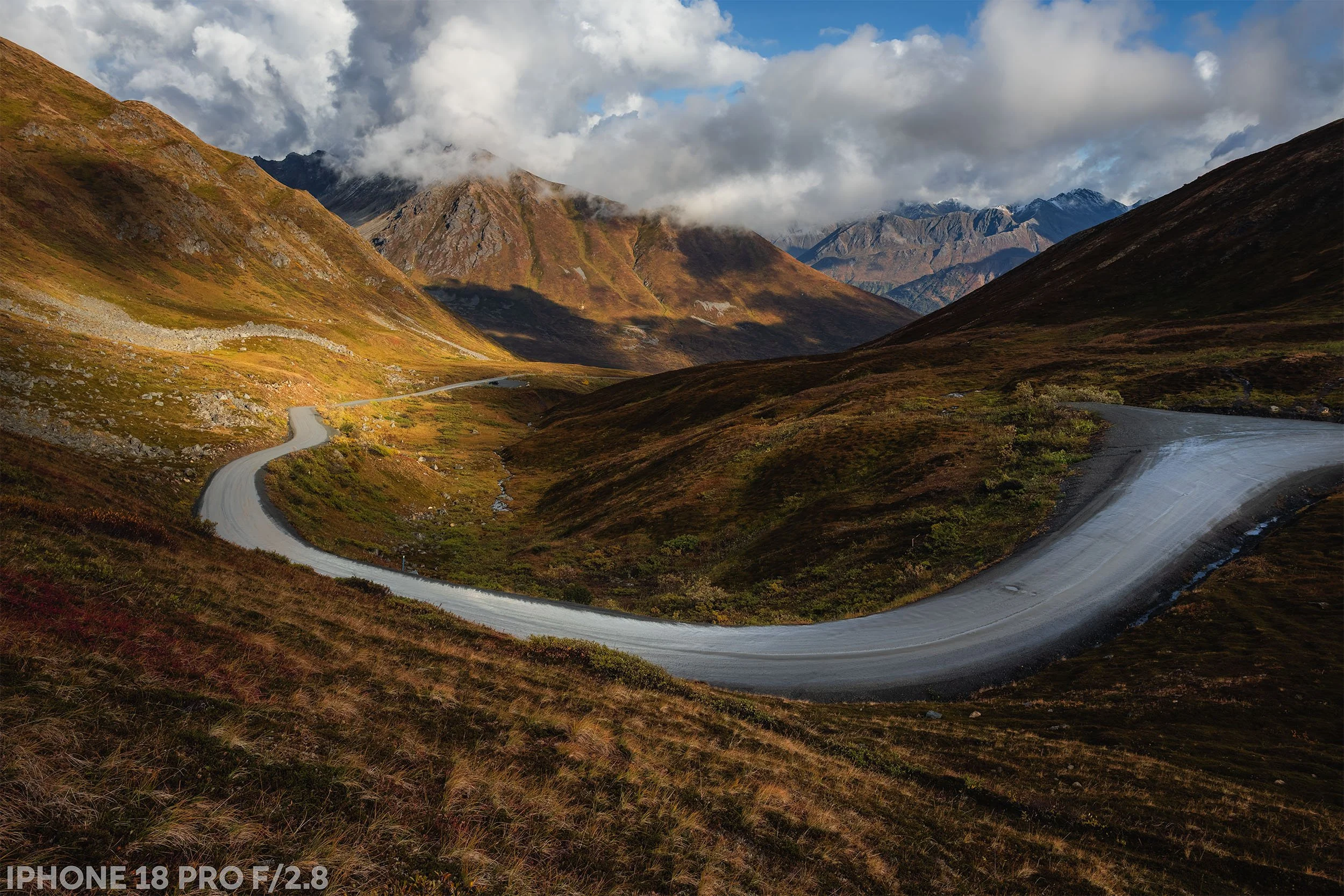
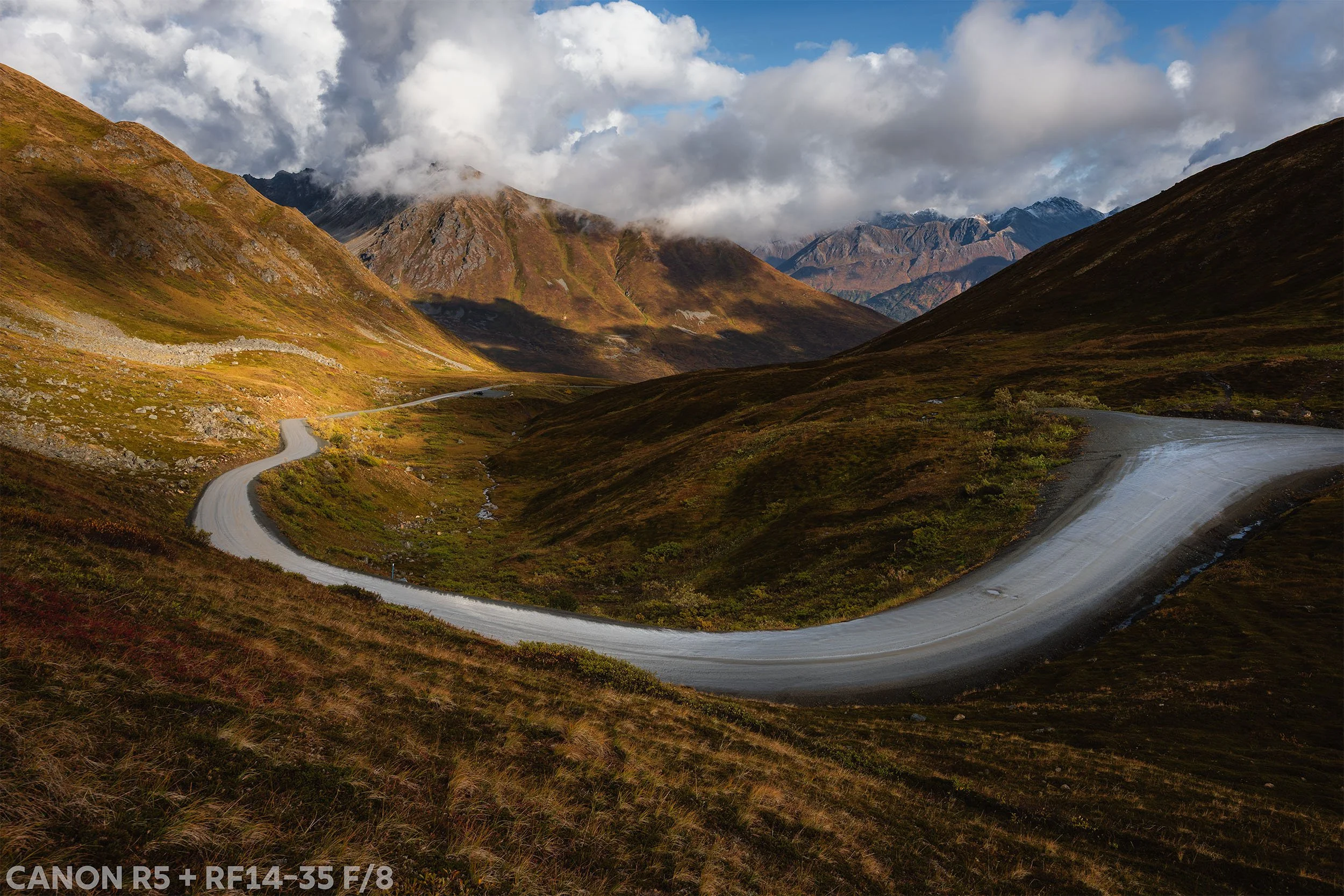
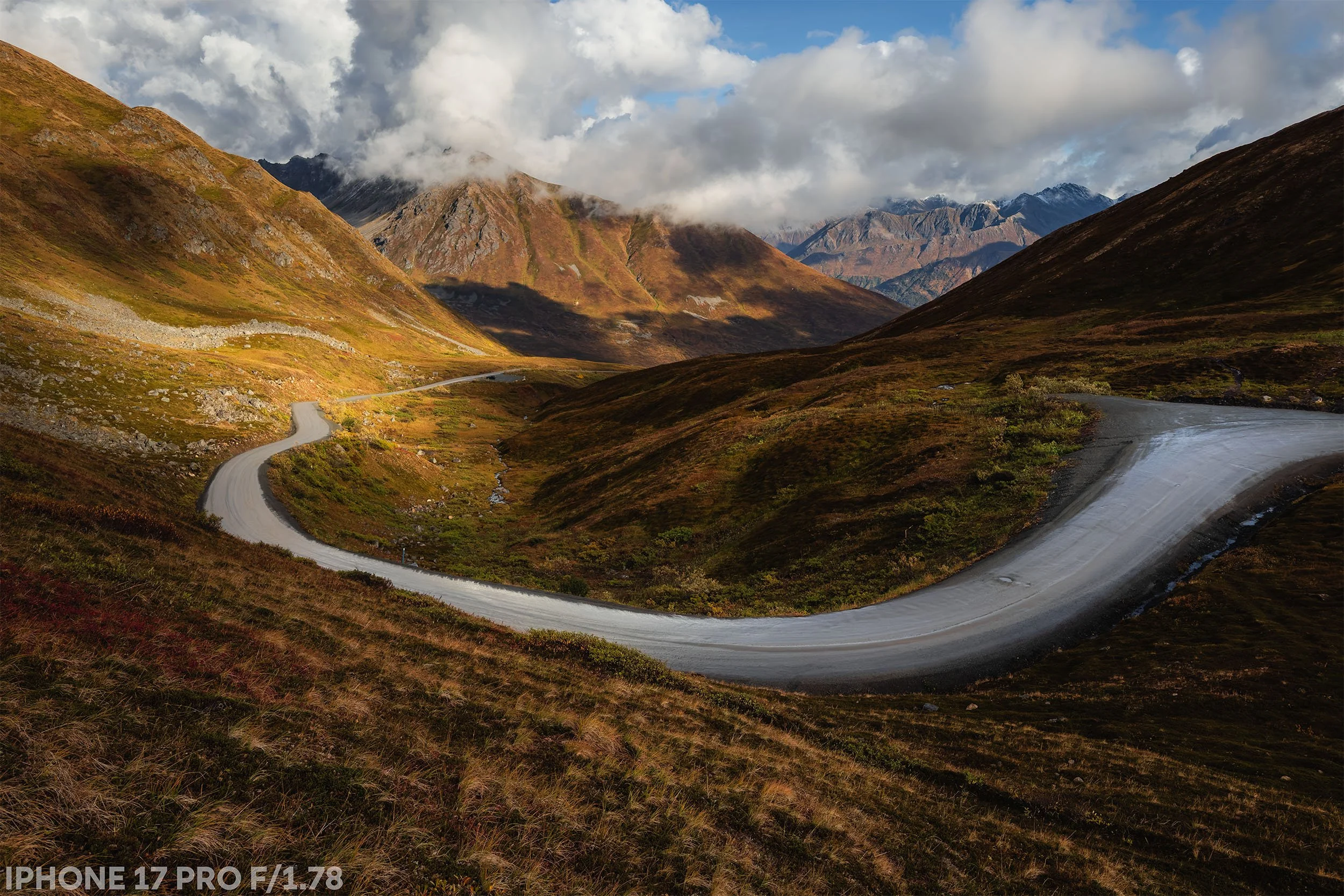
The iPhone 18 Pro is reported to use the Sony IMX 905 sensor for the main camera, compared to the IMX 903 on the iPhone 17 Pro. My research (there isn’t much out there) suggested this wasn’t going to be a significant update thus I didn’t plan on comparing the iPhone 18 Pro to the 17 Pro as I simply thought we’d get the same sensor results with the added benefits of an aperture ring. I was wrong.
If you look at the Canon R5 image compared to the iPhone 18 Pro you’ll likely have a really hard time deciphering which camera is which. The results have never been this close. However I didn’t realize the jump in quality until I looked at the iPhone 18 Pro next to the iPhone 17 Pro. When you zoom into the details, the amount of detail in the iPhone 18 Pro image is a massive leap, like generational improvement in some areas. At first I thought this was caused by the new aperture ring just being sharper, but after comparing every aperture from the iPhone 18 Pro to the 17 Pro, I realized it likely isn’t the new aperture ring. It must be the sensor. Lets keep looking
Low Light
The story continues into our low light test, where you’d expect the iPhone 18 Pro to do a bit better because that new aperture ring enables a wider aperture on the iPhone 18 Pro compared to the iPhone 17 Pro. Apple’s roundabout way of improving low light quality without harming the depth of field or image sharpness characteristics of the iPhone was to introduce this wider f/1.48 aperture but allow the aperture to be varied for other scenarios. The difference between f/1.48 and the iPhone 17 Pro’s f/1.78 doesn’t sound like much but its 50% more light.



If you compare the iPhone 18 Pro to the Canon R5 image here, you’ll see the iPhone 18 Pro actually looks better in some areas of the image that are closest to the camera, simply because it got those in focus which the Canon R5 did not. That being said, the R5 is still better throughout most of the image in terms of detail, which is to be expected.
It’s when you compare the iPhone 18 Pro to the 17 Pro you notice such a massive improvement this year. I imagine this is coming from that extra half stop of light from the variable aperture but also that new sensor. It seems to simply do better in low light scenarios and while we still aren’t at “professional camera” level, we are getting closer in regard to low light capabilities.
iPhone 18 Pro 12mp bayer raw (edited)
iPhone 18 Pro 48mp raw (edited)
One last thing I want to mention is that typically low light images perform better using 12mp bayer RAWs rather than the 48mp quad-bayer images. However, this year, the 48mp quad-bayer image actually looked better in my testing and you can likely see in the results above.
Depth of Field
So far I haven’t really tested the added depth of field benefits of that new variable aperture on the iPhone 18 Pro. Thus for this test my idea was to find a composition that had depth through the entire image, close objects all the way to mountains in the background to see if we could capture a really wide depth of field with that new f/4 aperture on the iPhone 18 Pro.
One thing I’d like to note here is that I attempted to change the shutter speed of the iPhone 18 Pro throughout all of these tests. Specifically in this test so that I could slow down the shutter to let it capture smooth moving water. I’ve found that currently if you go below about 1/30s or 1/15s, you lose Apple’s dynamic range processing, meaning the image completely blows out any highlights in the image, or simply doesn’t capture the scene like in the low light test.
iPhone 18 Pro f/4
Thus the image you see above is actually a blend. I was able to take one iPhone 18 Pro image where the highlights are blown and blend it with one where they were not to recover those spots, thus creating an iPhone image that closely matches the Canon R5 image. Actually it more than closely matches it, these images look nearly identical in terms of detail. The mountains in the background for the Canon R5, which was taken at f/16, are a bit sharper. This was using the widest aperture of f/4 on the new iPhone 18 Pro which gives us a full-frame depth of field equivalent to about f/14.




When comparing all 4 iPhone 18 Pro images at each aperture, you’ll notice that when utilizing the f/4 aperture you do incur a small amount of diffraction, reducing image sharpness throughout by a small amount. You can see this when comparing the f/1.8 image to the f/4 image at the focal point of the large boulder in the bottom of the frame. That being said, you’ll also see massive depth of field gains utilizing f/4 from the new iPhone 18 Pro. Very impressive.
New Apple Photographic Styles
I’ll only briefly mention it here as I’m planning an entire video and article on this subject but Apple has needed new photographic styles and give us the ability to add things like film, grain, and glow natively. Thus I spent some time shooting images straight out of camera, fine tuning my favorite “recipe” and trying my best to see if the Film button actually did anything.
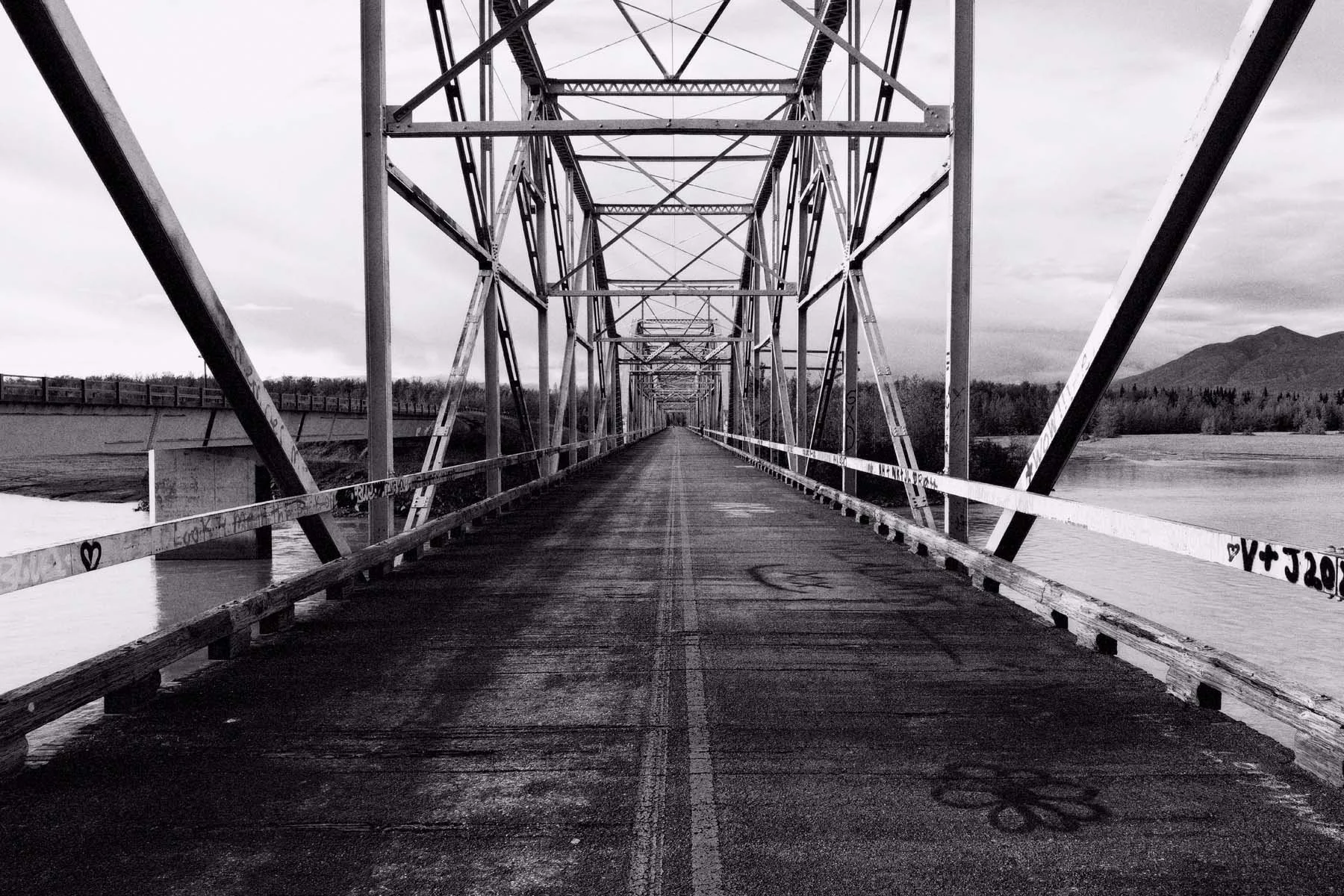






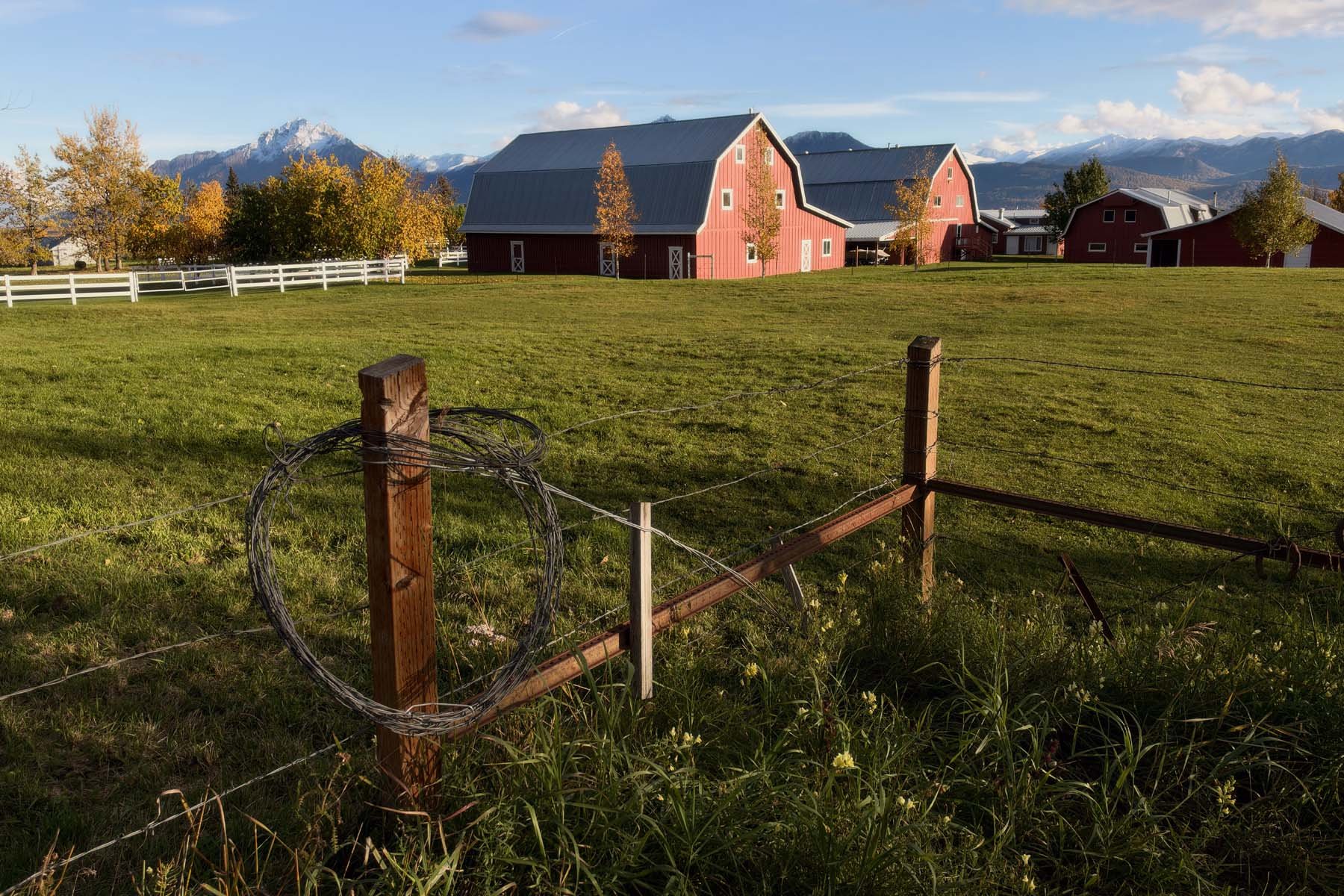
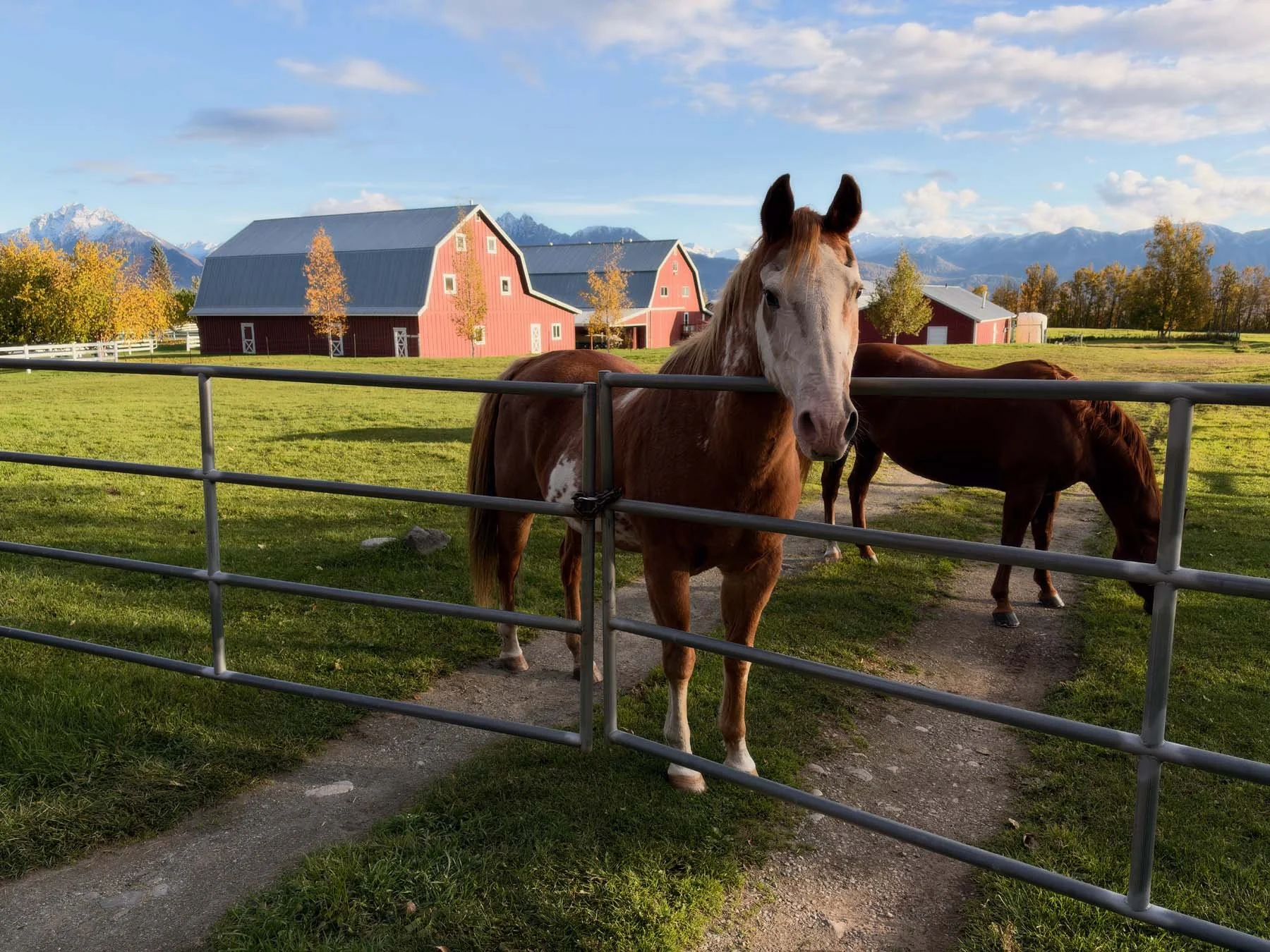

My biggest issue is there just isn't enough granularity to dial these in perfectly, and I’m still fine tuning where I want my images to land using these new photographic styles. I’ll likely have my locked in setting in my next article that I’ll try to link here once I am done with it. All of the above images are straight out of camera besides a small crop and they should all be using the same recipe which uses the “Glow” setting in the new photographic styles. My biggest complaint about the new modes is that you can’t have the film and glow effect on at the same time? why not?! Also they are gate-kept to just the iPhone 18 Pro system even though they are software based…
Here are my quick feelings on the 4 new effects:
Skin Smoothing - Subtle and great for what it does
Glow - My default, also very subtle even at 100
Film - Adds halation, sometimes oddly. Doesn’t do a whole lot else
Grain - Way too strong and can only be On/Off?
Still exploring these and plan on doing a whole deep dive comparing it to my current favorite camera apps.
Conclusion
This was a surprising update. Last year I felt pretty disappointed by the update as it was difficult to see all that much improvement on the new Telephoto lens with it’s updated sensor. This year my expectations were low and I was blown away. Genuinely this is the best image quality improvement since the iPhone 14 Pro and it wasn’t even in the keynote?! The details in the images speak for themselves.
Should you upgrade? Here my current simple recommendations:
iPhone 17 Pro - No
iPhone 16 Pro - Probably not yet unless you really utilize the cameras.
iPhone 15 Pro - Yes. You get the new 48mp Ultra-wide, 48mp Telephoto, and open gate selfie cam PLUS this main sensor update. Literally every single camera. Along with a long list of small improvements to experience like photographic styles.
iPhone 14 Pro or older - Absolutely (specifically if you care about image quality).
Buy Me a Coffee!
If you found value in this content feel free to help put gas in the tank or keep me caffeinated :) No pressure, thanks for being here.