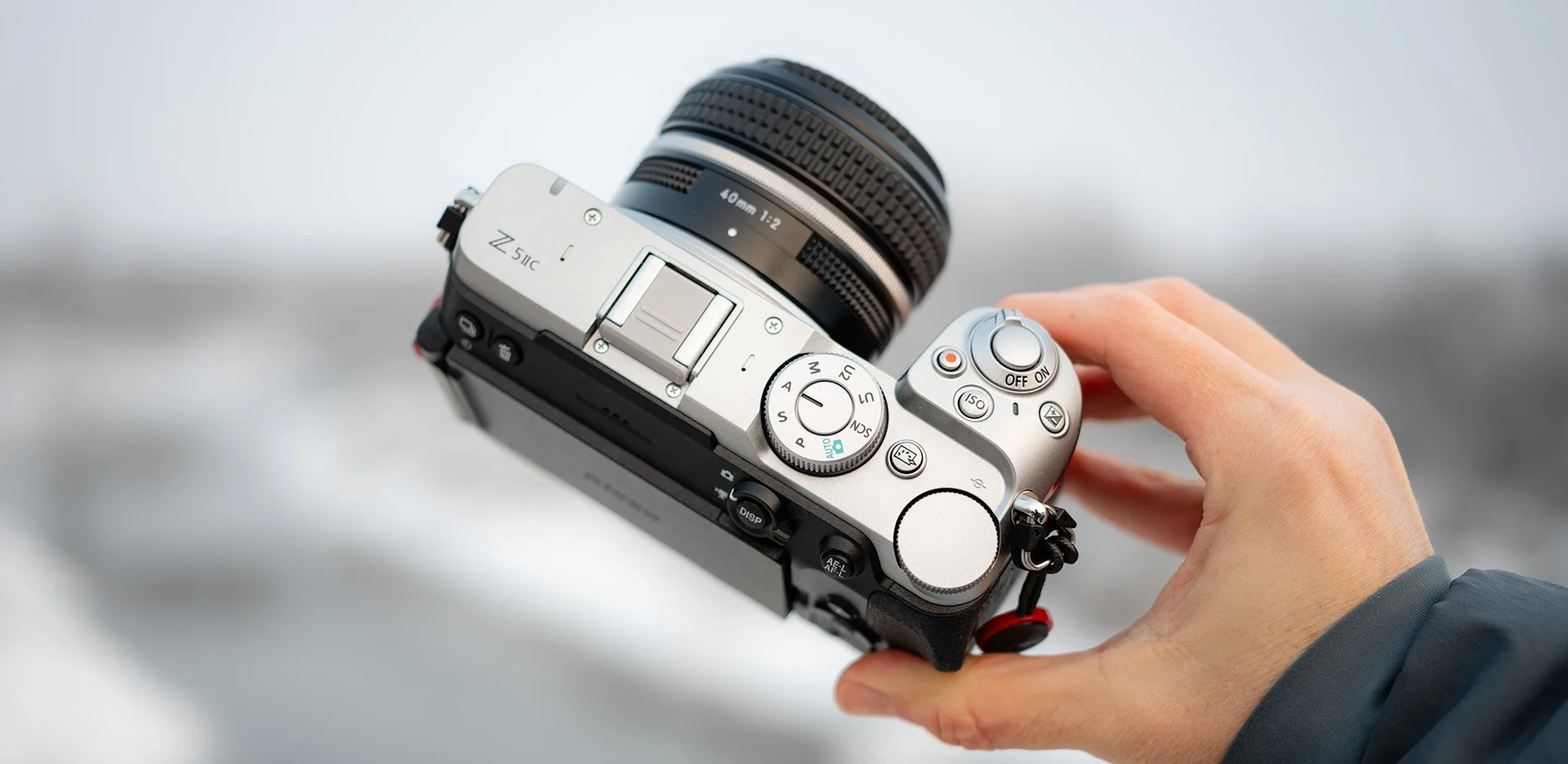
The Nikon Z5IIc could be the best deal in photography for 2027. At $1,399, it's the cheapest full-frame camera ever released, at least in today's money.
Even though it's only been out for about a month, I already have years of experience with this camera. That's because inside, it's quite literally the same camera as the Nikon Zf, just a lot less expensive. But it's not perfect, and the savings do come at a cost. I've spent over a month with it trying to figure out who it's actually for, whether giving up the EVF is worth the savings, and what price it needs to be for me to truly recommend it.
Disclaimer: I bought this camera with my own money. Every image in this article is straight out of camera utilizing Nikon recipes with no edits outside of a crop.
How Good Is the Image Quality?
Let's get the elephant in the room out of the way. Inside, the Nikon Z5IIc has the same 24-megapixel full-frame BSI sensor and the same processor as two other cameras, the Nikon Zf and the Nikon Z5II. If you've never heard of either, all you need to know is that they're well-loved cameras, and the Z5IIc makes images just like theirs.

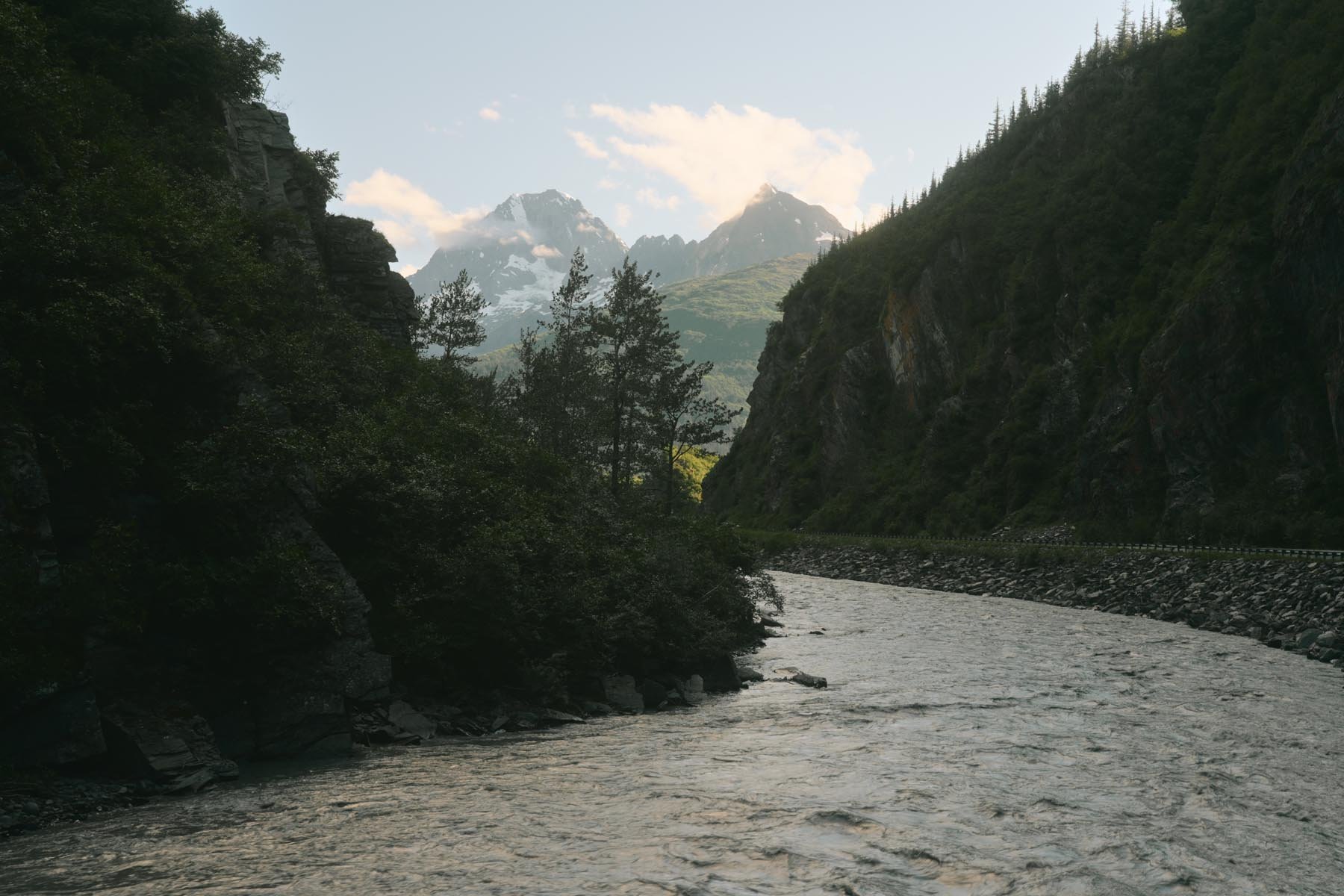
Nikon Z50IIc + Serban’s Kodacolor S Recipe
That's also why some of the photos in this article were taken on my Nikon Zf. I haven't had the Z5IIc long enough to get a good variety, and it's been grey and overcast here in Alaska. Since the internals are identical, those images from the Zf are exactly what you'd get from the Z5IIc. Like most cameras from the last five years, it produces fantastic, really pleasing images.
Nikon Recipes and Film Grain
If you're unfamiliar with recipes, they're essentially more well-rounded presets that you can swap directly on your camera. But unlike the built-in filters most cameras come with, recipes are made by creators like me and other photographers, and there's a whole community making them, some of which try to mimic what older film cameras produced. So you can get a finished, stylized look without needing to jump into editing software.
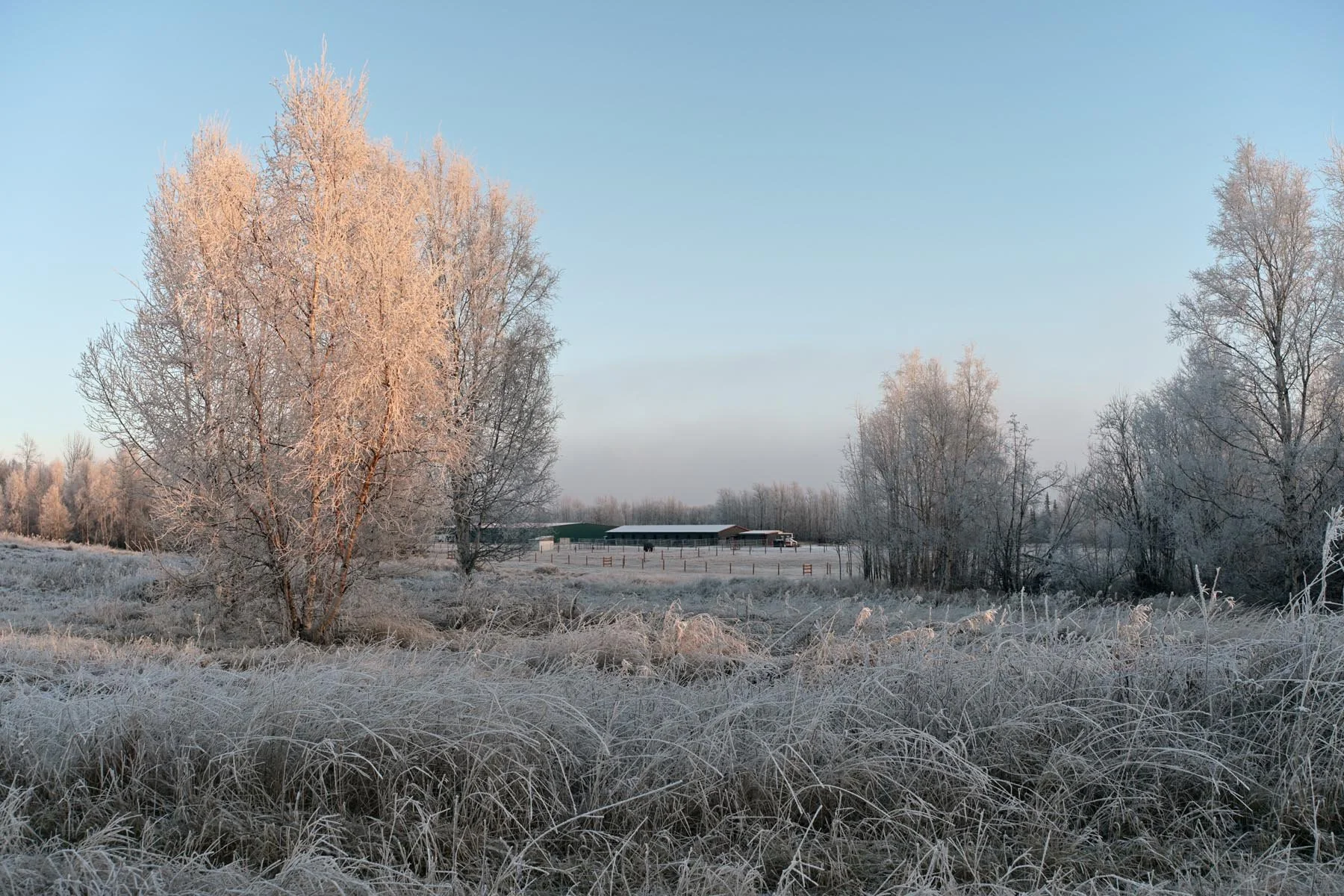
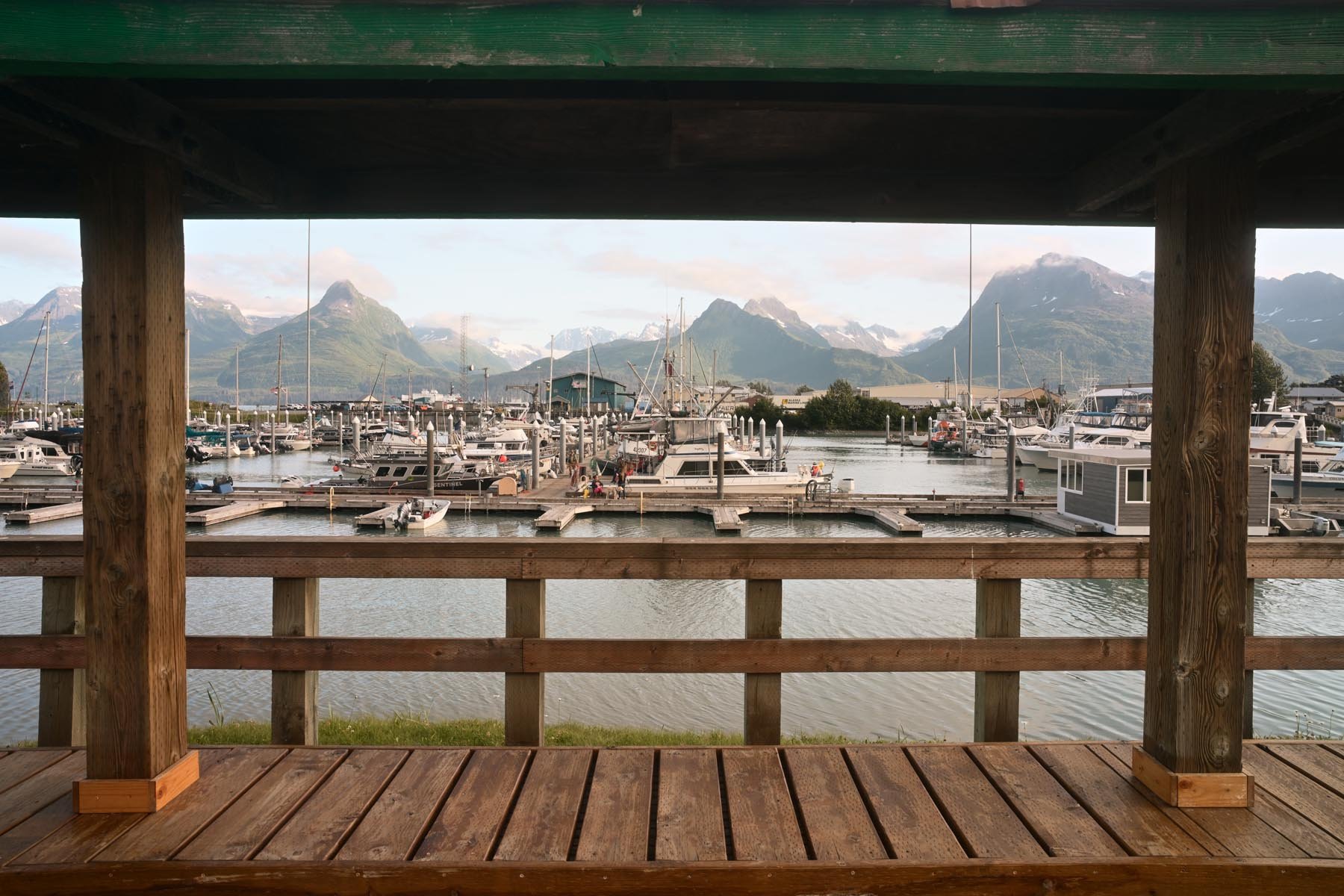



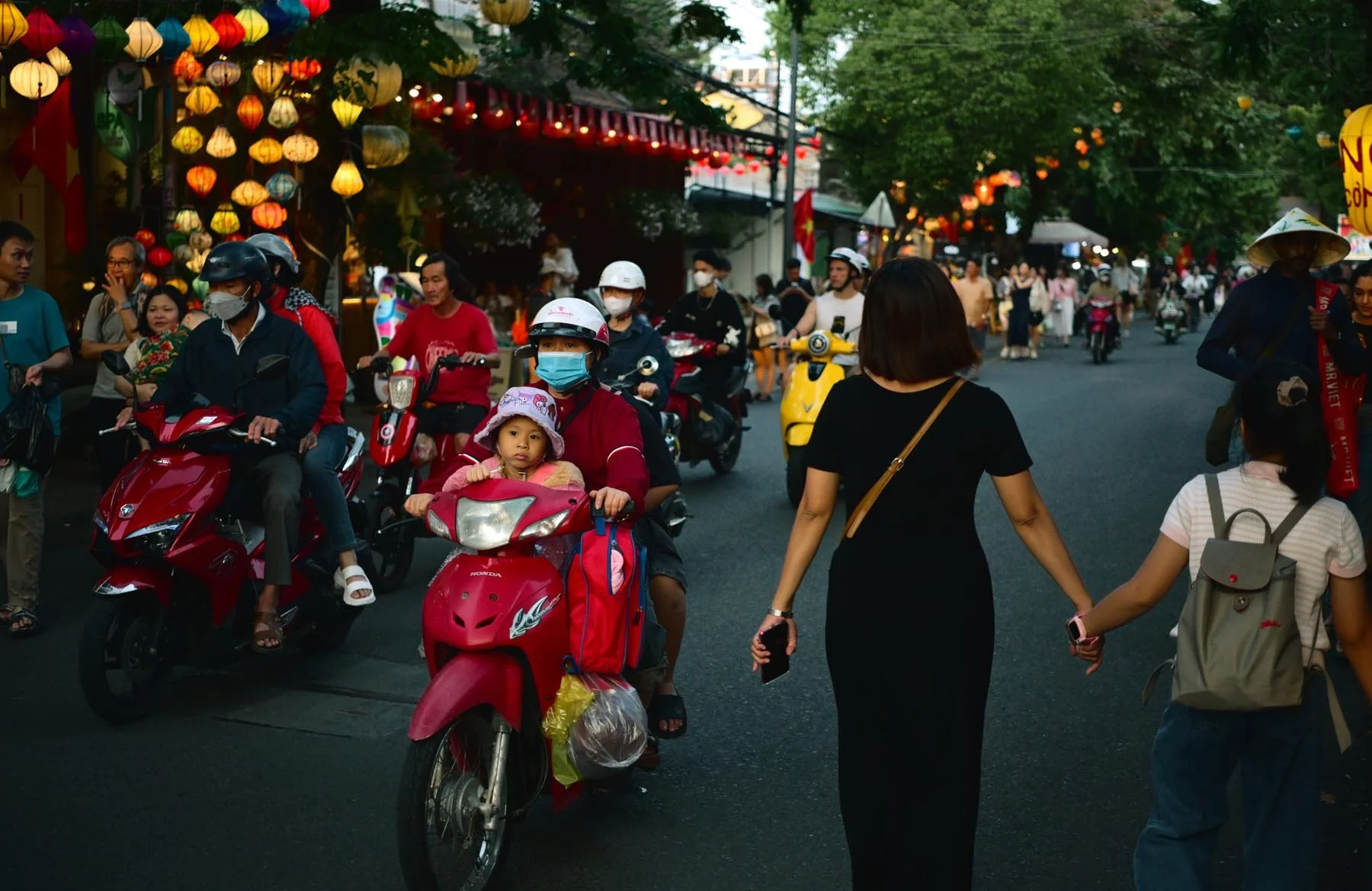
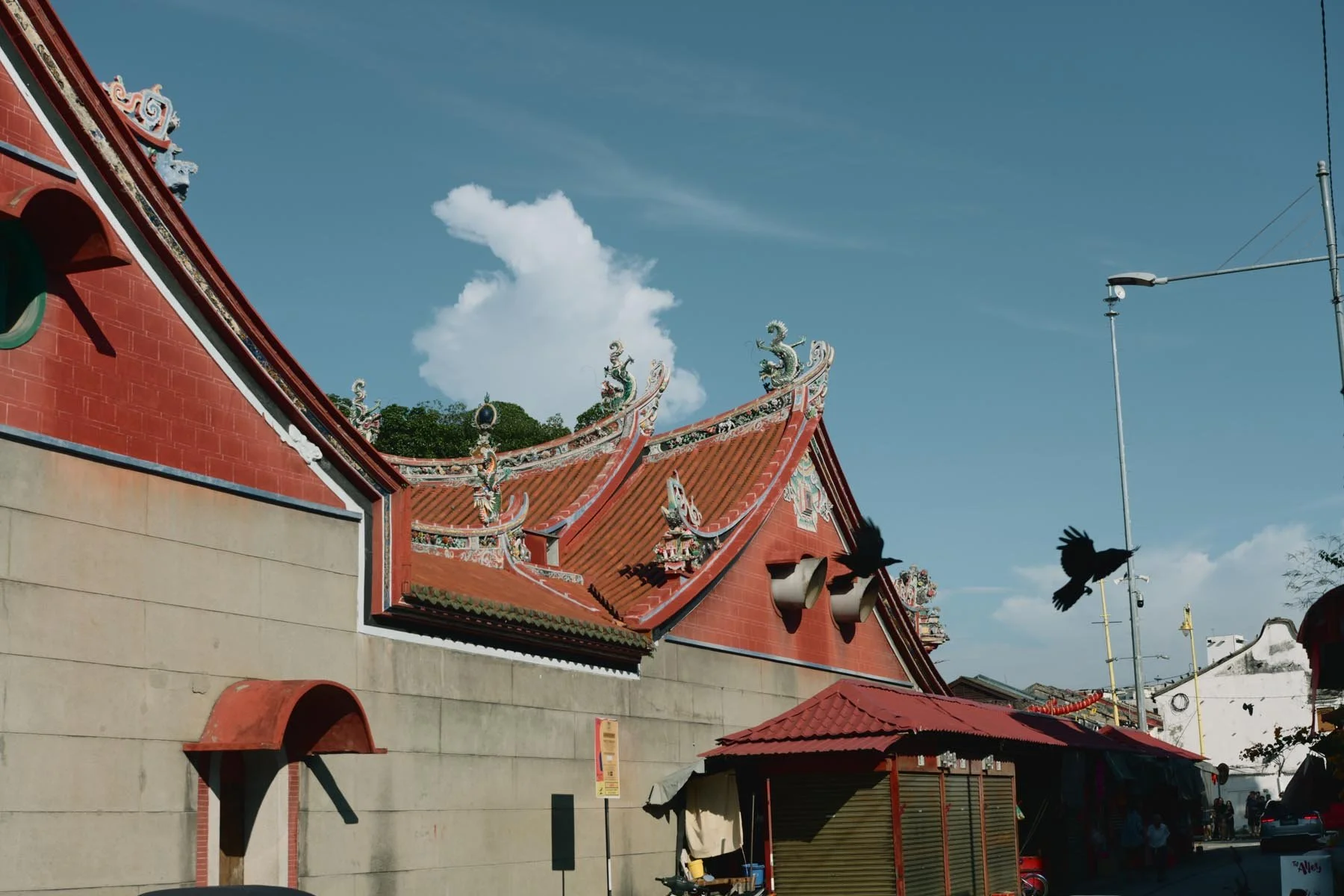

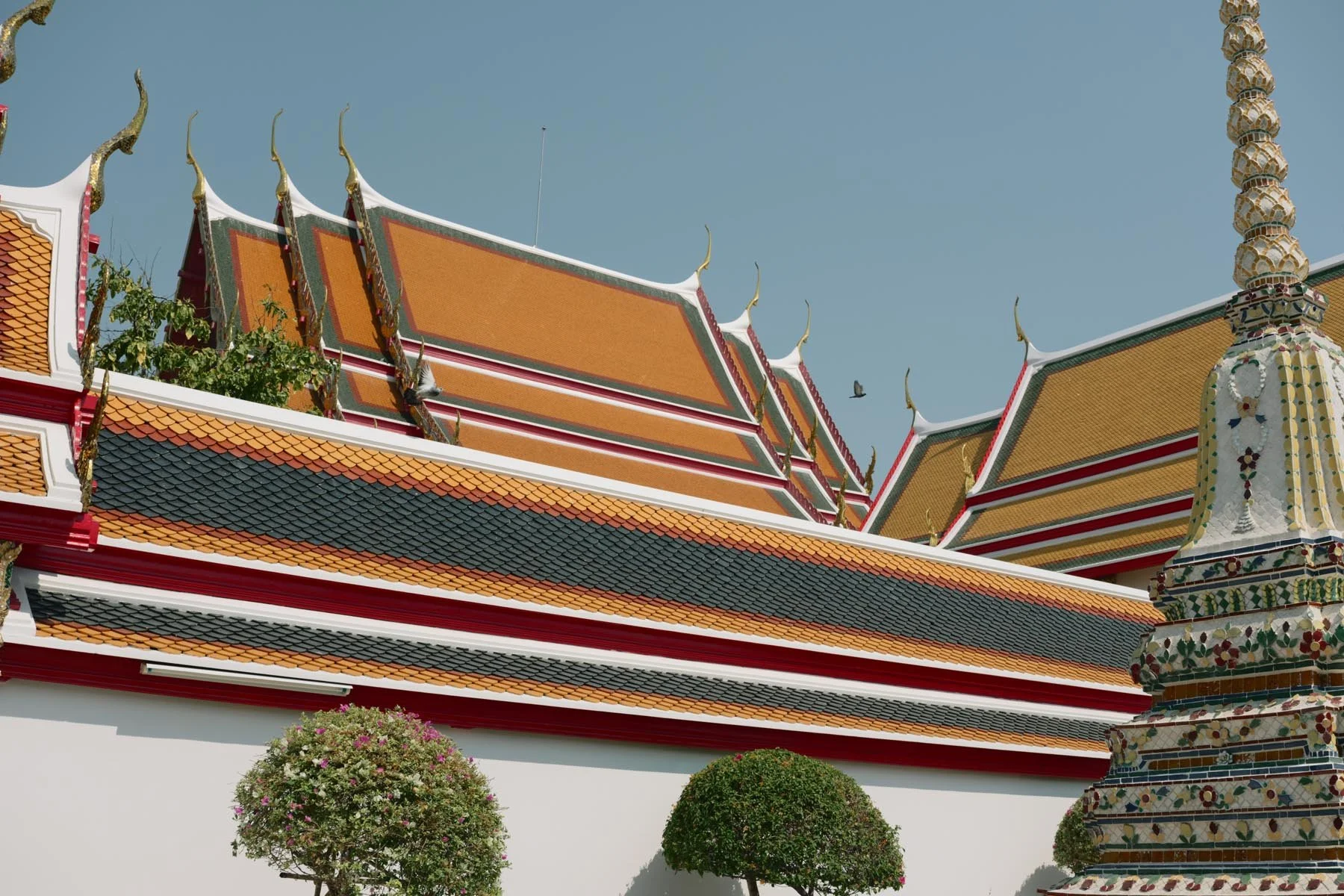
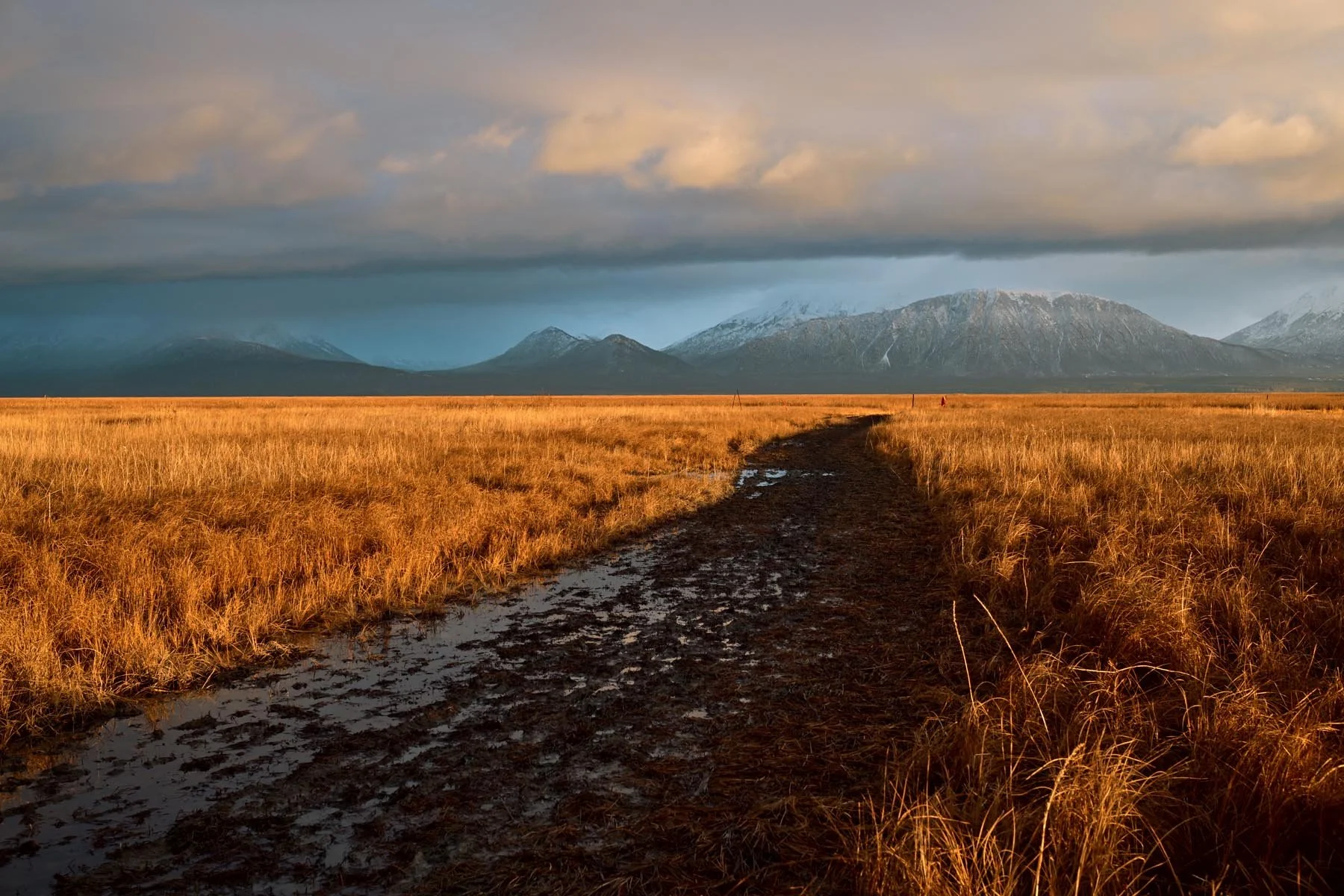

Speaking of film, the Z5IIc also has a film grain setting, which almost no other Nikon has. As far as I know, the only other one is the Nikon Zf, which got it in a firmware update last year.
One of my favorite parts of Nikon recipes is that they're captured in the RAW file. You can shoot RAW with the style applied, then later decide to keep the recipe or tweak it more while editing. Best of both worlds. And that's one of the biggest strengths of the Z5IIc. You can buy it with no editing knowledge, or no photography knowledge at all, and still get really nice images straight out of camera, then ease into the rest as you go.
Scene Modes for Beginners
In place of a third user mode, the Nikon Z5IIc has scene modes, 15 of them in total. You turn the dial to SCN and tell the camera what you're shooting. Sports mode, for example, keeps a faster shutter speed to freeze motion. Beach/snow keeps the image brighter, because cameras typically love to underexpose those types of scenes.
So it's really for beginners who want more than the auto button. Say your kid is running around and keeps coming out blurry in auto. Switch to sports mode, and that faster shutter speed should give you sharp shots instead of a bunch of blurry ones, because you've given the camera a bit more context.
Scene modes aren't on the Nikon Z5II or the Nikon Zf. They're borrowed from Nikon's APS-C Z50II, where they're also there for beginners.
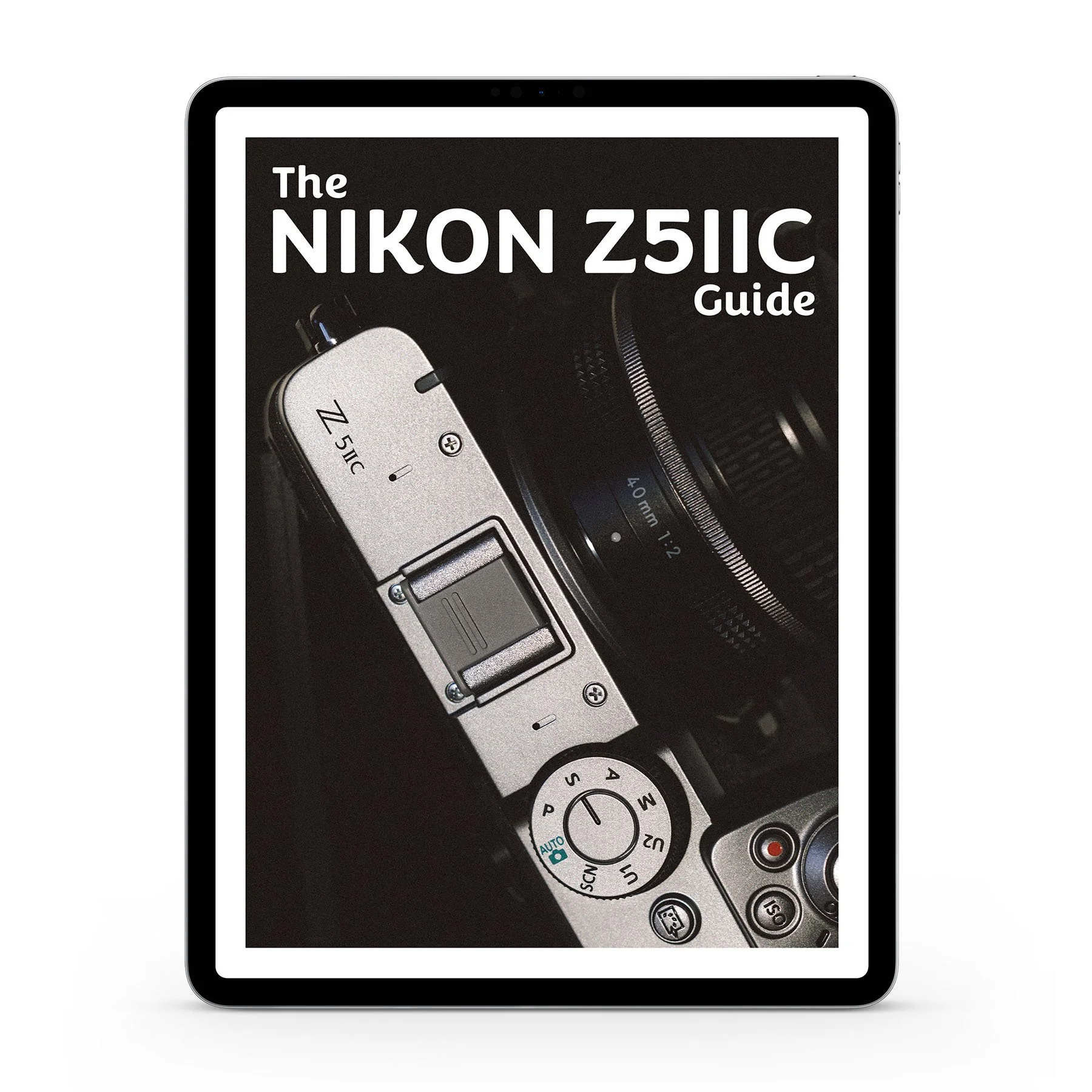
This guide will cover exactly how I personally setup my Nikon Z5 IIC including sections on:
Customizing dials and controls to quickly change the most important settings in the field.
i-Menu and My Menu setup to put the camera’s most crucial menu items one step away.
How to create, manage, and use Nikon Imagining Recipes and Nikon Film Grain.
My guidance on exposure settings, focus modes, and best practices in the field.
Not only will this help you get up and running fast with a streamlined setup, I also explain what many of the settings actually do rather than simply tell you to copy me. That way you have the tools to customize much of this camera to your own preferences as well. I don’t cover every setting in this guide and this is certainly not a replacement for the official user manual (which is 897 pages). I do cover every possible settings I use on this camera, even the obscure ones.
THIS IS A DIGITAL DOWNLOAD and not a physical product. You’ll receive a PDF in both portrait and landscape orientation for viewing however you’d prefer. The file is less than 10MB and should be easy to download on nearly any internet connection.
I’ve spent over 15 years with different cameras in my hands and gotten very adept at knowing exactly what I want my camera setup to be. If for some reason you aren’t satisfied with the guide, shoot me an email. I’d love your feedback and to make it right with you. Buying this guide directly supports me and enables me to keep creating - thank you.
Nikon Z5IIC Guide!
If you don't want to be fumbling through menus and missing shots, I've written a full setup guide for the Nikon Z5IIC - check out my guide.
I cover every button, dial, and menu I’ve adjusted to streamline my photography with the Nikon Z5IIC. I also explain what many of the settings actually do rather than simply tell you to copy me. That way you have the tools to customize much of this camera to your own preferences as well.
My goal with this guide is to enable you to spend a lot less time fighting with your camera and a lot more time nailing shots.
Save yourself a lot of headache and time by grabbing it today! This is also the absolute best way to directly support me as a creator to keep making content like this!
Three Versions of the Same Camera
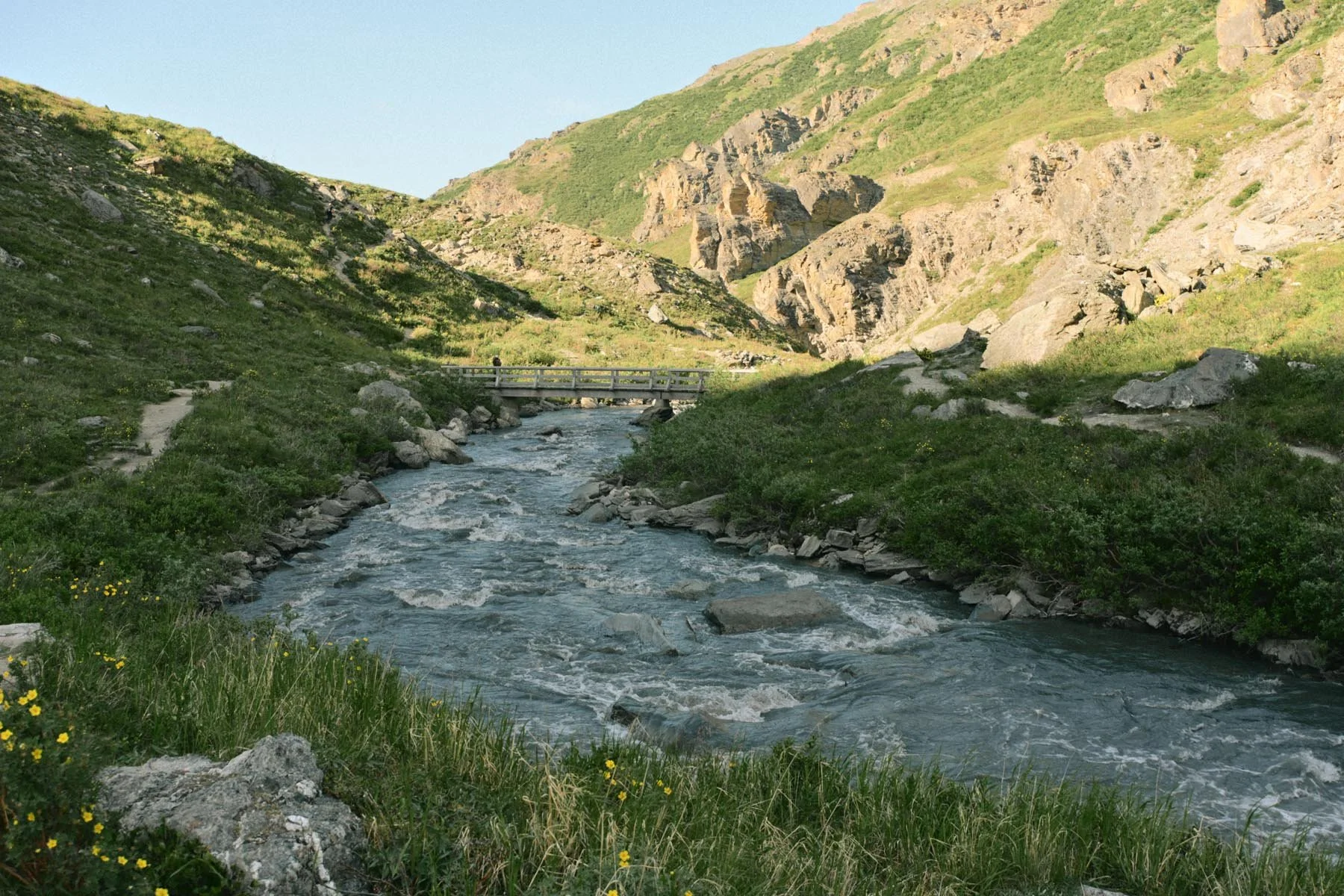
Nikon Zf + my kodak gold 200 recipe
For image quality and recipes, this is a great camera. But that isn't surprising, because none of the sensor tech or processing is new. Nikon has basically made the same camera three times, with different handling, looks and style. You get the same images and the same functions, and you choose how you want to interact with it. So handling matters most here.
Because of this, I wont be spending time on Auto-focus capabilities, video features, menu systems or anything like that as it feels very redundant. The performance is quite literally the exact same. I should be noted that the Z5IIc does gain one subject detection type… FISH!
Below is most of the differences between these three camera models:
| Nikon Z5IIc | Nikon Z5II | Nikon Zf | |
|---|---|---|---|
| Price (approx.) | $1,399 | $1,600 sale ($1,850) | $2,100 |
| EVF | No | Yes | Yes |
| Joystick | No | Yes | No |
| Card slots | 1 | 2 | 2 |
| Rear screen | 1.04M dots | 2.1M dots | 2.1M dots |
| Weight | 538 g | 620 g | 630 g |
| Film grain | Yes | Not yet | Yes |
| Scene modes | Yes | No | No |
The Zf is the oldest of the three. It has retro dials and brass elements, it's a bit heavier, and it's the most expensive. But it takes exactly the same image as the Z5IIc, for about $700 more.
The Z5II is the same camera as the Zf in a modern body with a proper grip and no retro dials, and it adds a joystick on the back. Funnily enough, the Zf got film grain in a firmware update, but the Z5II still hasn't (I expect this to change soon).
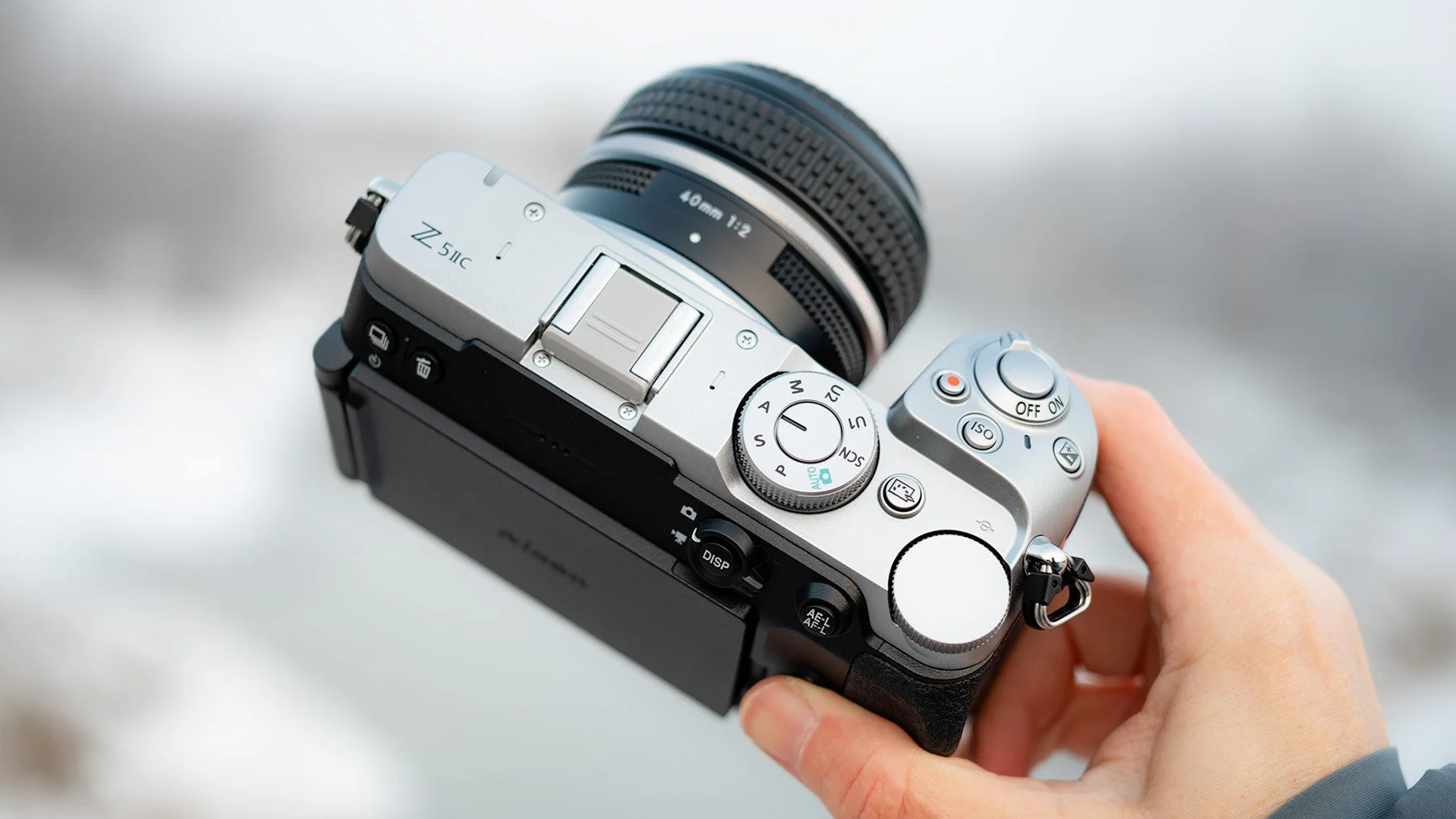
The Z5IIc is really a Nikon Z5II with a few things taken out. The big ones are the joystick and the EVF. You'd expect it to be a lot lighter, but it's only about 80 grams lighter. Otherwise the layout is the same: the buttons on top and back, the front function buttons and the command dials. You just use the D-pad instead of the joystick (similar to the Zf). It also drops to a single card slot and a lower-res rear screen, which is strange considering that's the only screen it has.
In the hand, it feels exactly like the Z5II: same grip, and you won't really notice the difference in weight. That's a good thing, because I genuinely think the Nikon Z5II has been one of the best deals in photography over the last year. It's been my recommendation for anyone who wants full frame for between $1,000 and $2,000. It even uses the same EN-EL15c battery as most of Nikon's full-frame bodies.
The Missing EVF
The lack of EVF is what makes the Nikon Z5IIc controversial for me. When I'm on a tripod, shooting landscapes or anything slower, I probably use the back LCD most of the time, and this camera is totally fine for that. But when I'm just walking around shooting during the day, 90% of the time my screen is closed and I'm bringing the camera up to my eye. That's when I really rely on the EVF.
Can I get by on the back screen? Sure, I did it the whole time I used this camera. But after over a month with it, I know it's not the camera that suits how I shoot. A few years ago, when all I shot was landscapes on a tripod at sunrise or sunset, I probably would have told you the rear screen mattered more. So it really depends on what kind of photographer you are, and if you don't know the answer to that yet, having both is obviously best.
That said, if you shoot on a tripod a lot, use this as a hybrid camera and film yourself, or you just find yourself on the screen more often, the Z5IIc will be totally fine. You might even prefer it, because it's a bit smaller and saves you money.
Is It Worth It at $1400?
The missing EVF is the hardest thing to judge with this camera, because whether it's a dealbreaker really comes down to price. And at the right price, almost any camera is worth it.

Nikon Z5IIc + my kodak portra 800 recipe
At the time of writing, the Nikon Z5IIc is $1,399, its launch price, and there haven't been any deals on it yet. Next to the Nikon Z5II's $1,850 list price, that's a $450 difference. But almost the whole time I've been using the Z5IIc, the Z5II has been on sale for about $1,600, so the real difference is only about $200.
At that price difference, it's hard to recommend the Z5IIc over the Z5II. You'd gain the EVF, the joystick, the second card slot and the better screen. I don't think anyone should buy the Z5IIc over the Z5II to save $200. But if that gap grows to $400 or $450, it becomes a much bigger conversation, and I think a price drop will happen sooner rather than later. Remember that the sensor, processing and menus are the same as what Nikon released with the Zf three years ago, so there's not much new tech here.
How Does It Compare to Other Brands?
Fujifilm's cameras at this price are all APS-C. They're fantastic, but if you've decided on full frame, they're not in the running. Sony hasn't released a full-frame body under $2,000 in years. That basically leaves Canon and Lumix.
Canon R8: Since the R8 Mark II came out, the original R8 has dropped to around $1,300, which is actually cheaper than the Nikon Z5IIc. So you'd be getting an EVF for less money. What you give up is in-body stabilization and Nikon recipes. No IBIS means relying more heavily on lens stabilization, and it can be really missed if you shoot video or low light often. My biggest personal reason to suggest the Nikon over the Canon is recipes. I recently did a full review of Canon recipes, and the short truth is they just aren't anywhere near as good.
Lumix S9: Also around $1,500, full frame with a 24-megapixel sensor, compact, and like the Z5IIc it has no EVF, just the rear screen. It has IBIS, it's really strong for video, and it has its own Lumix recipe system. The catch is there's no mechanical shutter.
Is It the Best Deal in Photography for 2027?
Yes, with a caveat. It needs to drop a few hundred dollars. If it does, it's a slam dunk. I can't believe you can get a full-frame camera with these features at this price. But right now it's hard to recommend over the Canon R8, which is cheaper and has an EVF, or the Nikon Z5II, which is only about $200 more.

Nikon Zf + my kodak gold 200 recipe
Overall, my time with it has been good, and nothing surprised me. I know the Nikon Zf and Nikon Z5II inside out, so there was barely anything to test, apart from living without an EVF. For me, that's a big deal. It's the same reason I steer people towards the X-T30 III over the X-M5: I'm a big proponent of having an EVF.
But they always say there are no bad products, just bad prices. If this comes down a little in price, it's absolutely the best deal in photography for 2027. You just have to decide whether giving up the EVF is worth the savings to get a full-frame camera at a "budget" price.
TLDR
Same sensor, processor, images, and autofocus as the Nikon Zf and Nikon Z5II, for $1,399.
Compared to Z5II, you give up the EVF, the joystick, a card slot and some screen resolution.
With the Z5II often on sale for about $1,600, the $200 gap is too small. I'd buy the Z5II.
If the Z5IIc drops a few hundred dollars, and you're happy on the rear screen, it's the best deal in photography for 2027.