
Long Term Review of the Fujifilm XF 16-55 f2.8 II
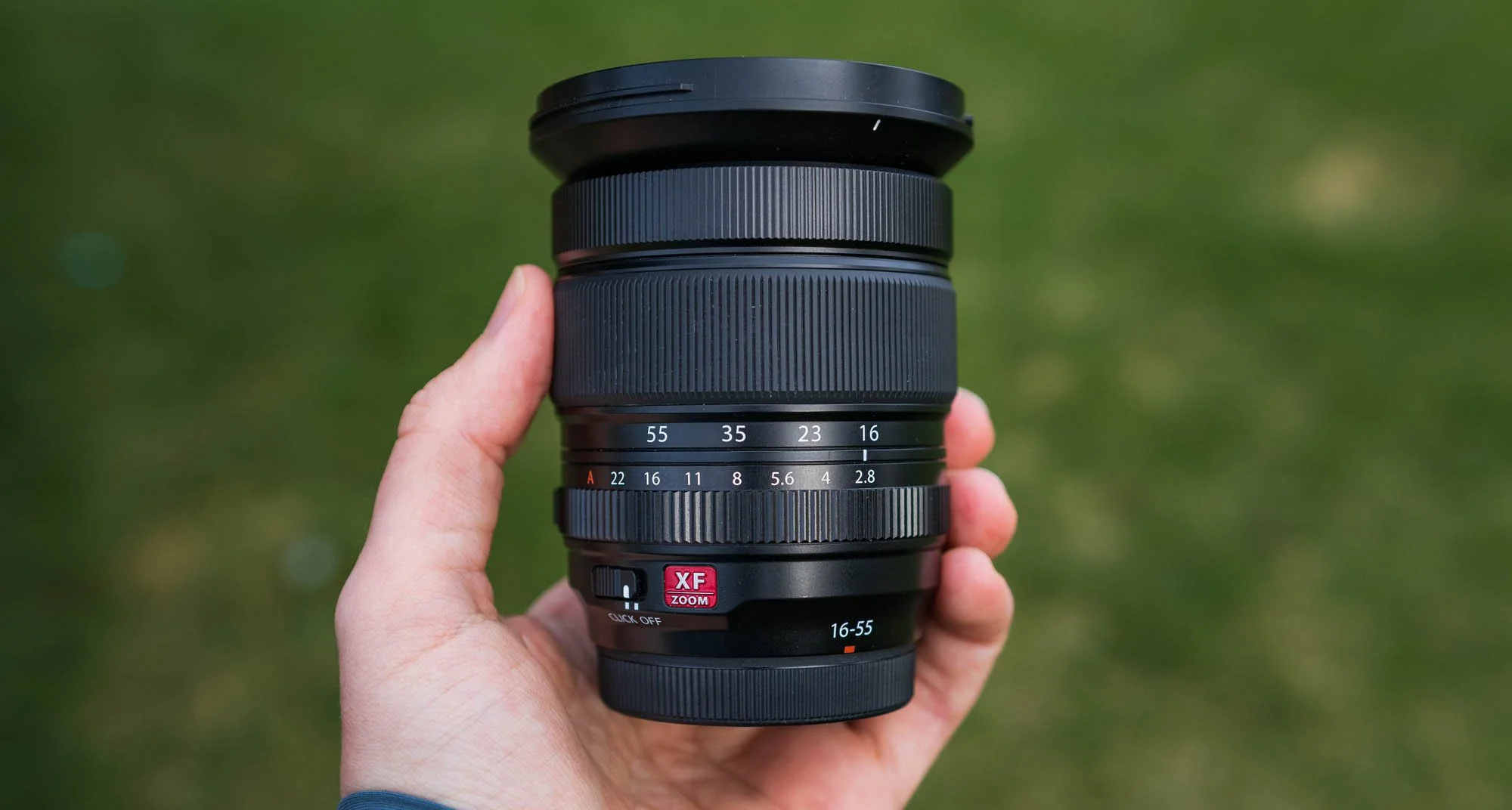
I’ve never been too compelled to write lens reviews. Most of the time lenses do what I bought them for and I don’t really have much to say, at least when I was primarily photographing landscapes. As I’ve dabbled a bit more into specific focal lengths and prioritizing size/weight a lot more - it makes lens choices more nuanced than “does it take good photos?”
Adding a list of wishes to a lens make the hunt for one a bit more tedious but also rewarding when you finally seem to find the perfect balance for your needs. That’s a bit why I was hesitant to write this article about the Fujifilm XF 16-55 f2.8 II because it does a good job at being light weight (and smallish) while having a larger f2.8 aperture in a 24-85mm (full frame equivalent) zoom range. It really does check all the boxes for what I was looking for.
Best of all, it produces some damn good images! But… it has also been one of the worst lens experiences I’ve had in recent memory.
Image Quality
Let’s start out on a positive note. I have no complaints about the image quality that the Fujifilm XF 16-55 f2.8 II produces. That being said, image quality isn’t always the most important factor for me when choosing a lens, at least by modern lens standards. Lenses have gotten so good in recent years that most meet my personal threshold for image quality. For example, If I’m choosing between two lenses and one of them is half the price while being slightly softer in the corners at f2.8, that wouldn’t be the end of the world for me.












On top of many lenses producing quality results, they’ve gotten so good that many of us (myself included) spend time in the edit “softening” up the image so it doesn’t feel so clinical. For example, one thing I do in my edits is reduce clarity or I’ll even use a black mist filter when I’m out in the field to create such an effect (many of the images shot in this article utilize the K&F 1/4th Black Mist which is a great low cost option if you’re in the market for one). Many people are utilizing vintage lenses to bring back a bit of character within their images, which inevitably doesn’t match tactile sharpness lenses produce now.
This doesn’t mean image quality performance isn’t important to me, it just means I’m not pixel peeping every frame for precision or necessarily putting Image quality above all else when choosing a lens. Overall the XF 16-55 f2.8 II produces solid results and I have no complaints. If this is all you’re looking for, then I would recommend this lens.
When I was shopping for the perfect lens, the main competitor to the Fujifilm XF 16-55 f2.8 II was the Sigma 18-50 f2.8. A lens that is not only smaller and lighter but is also half the price. We’ll get to why I didn’t buy the Sigma, but it’s possible that was a mistake. To find out I went down to the local camera shop in Anchorage and picked up the lens for this article! Now these comparison shots won’t be scientific or lab quality. Just real world shots at different apertures to see sharpness/detail differences between the two lenses.
I photographed at each of the lenses widest and furthest focal distance along with a 35mm shot at apertures of f2.8, f5.6, and f11. Keep in mind that the Fujifilm XF 16-55 f2.8 II has a slightly larger focal range: 16-55mm vs 18-50mm. Below you’ll find the shots taken at f5.6:
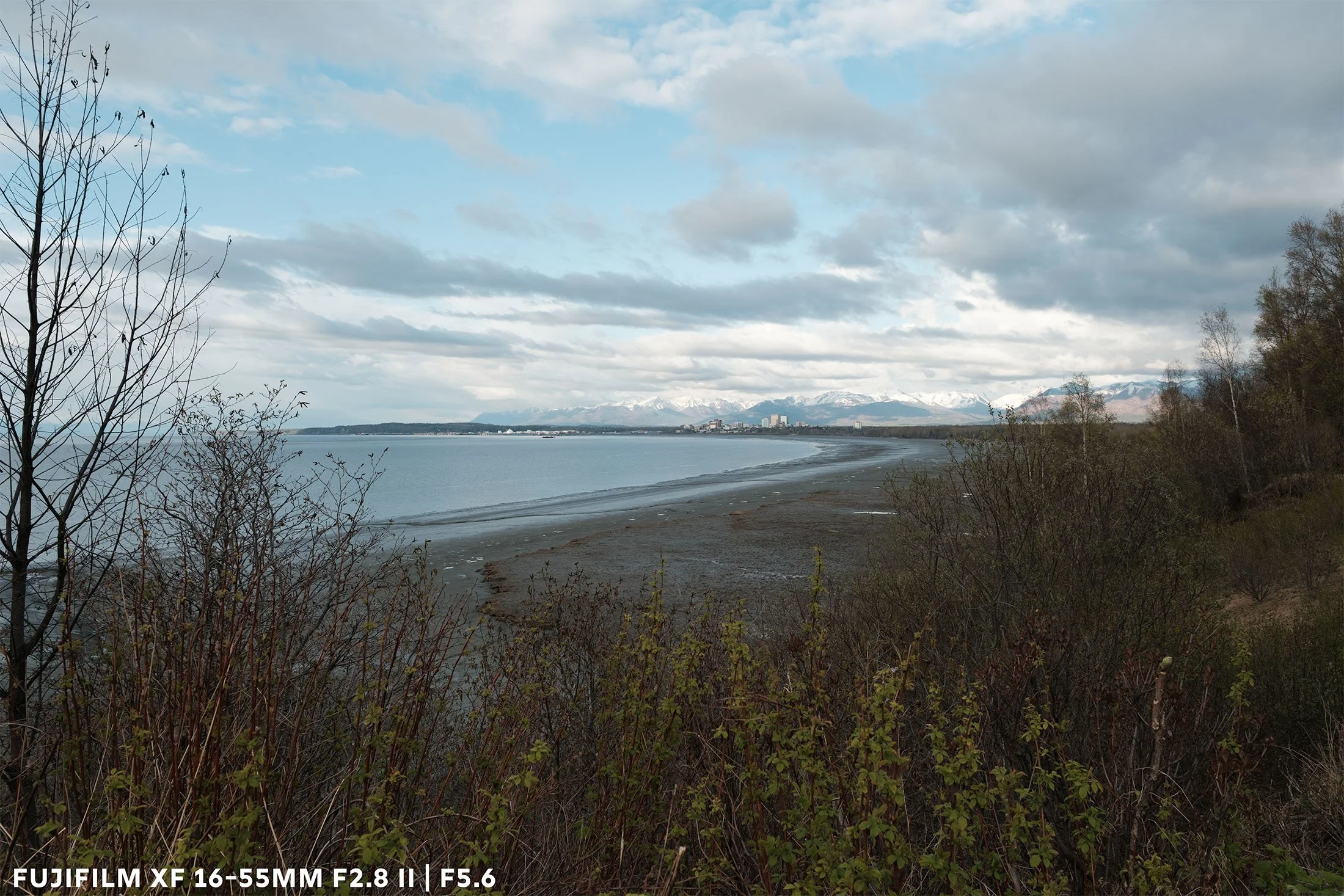





Outside of zooming into certain spots of every image and trying to show them to you here, there isn’t a great way to “pixel peep” these images on the web. Thus if you’re serious about the Fujifilm XF 16-55 f2.8 II or the Sigma 18-50 f2.8, below I’m going to provide a link to download all 18 images as DNG raw files so you can compare them side by side for yourself. All I ask for is your email!
note - The 16mm F2.8 shot from the XF 16-55 is not accurate. Something happened when I took that shot and resulted in a blurry image. I’ve still included it here but I would not use it as a reference.
Auto Focus
Now lets dive into where I had issues with this lens. I’ll begin by saying that auto focus has always been one of the lowest concerns for me when shooting landscapes but that has changed a lot over the last two years and on top of that, I’ve shot more video with this lens than I have photos. Thus autofocus has played a huge role in my experience using the Fujifilm XF 16-55 f2.8 II.
When shooting photos, I never had issues with the lens. Keeping in mind many auto focus issues could be caused by the camera (in my case the Fujifilm X-E5). Sometimes it struggles to grab focus on lower contrast scenes, but this is very likely caused by the auto focus system of the camera rather than the lens. This issue also matches auto focus issues I have in varying degrees on all the cameras I own - nothing out of the ordinary.

The issues started when I was using the camera to record video. Sophia and I used the Fujifilm X-E5 combined with the Fujifilm XF 16-55 f2.8 II to film over 4,000 (4816 to be exact) clips during our time in South East Asia. In general it performed perfectly 95% of the time. The issue was that every so often it just… wouldn’t focus. Many times when shooting video I would switch between single focus or continuous focus. The issue happened in both modes. Typically it would happen after turning the camera on and trying to film a clip. If it was in single focus, the camera would just start recording without being in focus. When switching into continuous focus, even after hitting record it just would not focus.
Turning the camera off and on again fixed the issue but ultimately the solution I found was to zoom the lens and return to the focal length I wanted. It’s almost like this would “wake up” the auto focus to function properly. While this solution worked, it was incredible frustrating the times we would turn the camera on to film a clip and missed the shot because the dang auto focus just wouldn’t work.
The biggest question mark is if this was caused by the lens or the camera. I’m still unsure but my hypothesis is that it’s the lens simply because the auto focus starts working after I physically zoom the lens. If you’ve had experience like this, I’d love to hear it in the comments. I will also update this section if I continue to experience it when I’m using the Sigma 18-50 f2.8!
This guide will cover exactly how I personally setup my Fujifilm X-E5 including sections on:
Customizing dials and controls to quickly change the most important settings in the field.
Q-Menu and My Menu setup to put the camera’s most crucial menu items one step away.
How to create, manage, and use Fujifilm’s Film Simulations + Recipes
Complete setup for video, frame rates, and utilizing F-log
My guidance on exposure settings, focus modes, and best practices in the field.
The Fujifilm X-E5 is essentially a X100VI with interchangable lenses, thus between using both of them I have a lot of time optimizing my settings. Not only will this help you get up and running fast with a streamlined setup, I also explain what many of the settings actually do rather than simply telling you to copy me. That way you have the tools to customize much of this camera to your own preferences as well. I don’t cover every setting in this guide and this is certainly not a replacement for the official user manual (which is 452 pages). I do cover every possible settings I use on this camera, even the obscure ones.
THIS IS A DIGITAL DOWNLOAD and not a physical product. You’ll receive a PDF in both portrait and landscape orientation for viewing however you’d prefer. The file is less than 10MB and should be easy to download on nearly any internet connection.
I’ve spent over 15 years with different cameras in my hands and gotten very adept at knowing exactly what I want my camera setup to be. If for some reason you aren’t satisfied with the guide, shoot me an email. I’d love your feedback and to make it right with you. Buying this guide directly supports me and enables me to keep creating - thank you.
Fujifilm X-E5 Guide!
If you want to learn more about how to create recipes for the Fujifilm X-E5 or simply get a more streamlined setup for using your camera - check out my Fujifilm X-E5 Guide.
I cover every button, dial, and menu I’ve adjusted to streamline my photography with the Fujifilm X-E5. I also explain what many of the settings actually do rather than simply tell you to copy me. That way you have the tools to customize much of this camera to your own preferences as well.
My goal with this guide is to enable you to spend a lot less time fighting with your camera and a lot more time nailing shots.
Save yourself a lot of headache and time by grabbing it today! This is also the absolute best way to directly support me as a creator to keep making content like this!
Build Quality
While the autofocus issue might be caused by the camera, the build quality issue is undoubtedly a lens issue. Ultimately this has been the most disappointing part of the lens for me. The Fujifilm XF 16-55 f2.8 II is part of Fujifilm’s ‘XF’ series of lenses which denotes that it’s part of their premium lineup, similar to Sony’s G Master lenses or Canon’s ‘L’ series. This typically means a higher build quality matched with premium features and image quality. The image quality is there, but the feels of this lens simply isn’t.

Sticky Zoom
Before purchasing the lens, I read about issues with early copies of the lens had a sticky zoom. When I got my copy, I didn’t have much issue with it to begin with. People reported that the lens doesn’t zoom smoothly and feels a bit sticky in spots. I wrote this in my first impressions article:
“Yes I do notice that from 16 to 55, the feedback is not linear. However this can be normal for some lenses as you have to move more parts in certain ranges of the zoom.”
After using the lens more extensively, especially in different climates, this issue has gotten worse. I noticed in more humid climates such as Thailand or Vietnam, the lens felt considerably more sticky. Plus after wearing in the lens with the thousands of clips we filmed, it feels worse than it did when I got it. It’s hard to describe in words but it reminds me of my first kit lens I got in 2009 that came with my Canon 50D. When your zooming between 16mm-30mm it feels consistent and then gets considerably more resistance from 30mm-55mm.
It’s not the end of the world, but it certainly doesn’t feel premium. Especially in comparison to other lenses I own from Canon, Nikon, or Sony.
Aperture Ring
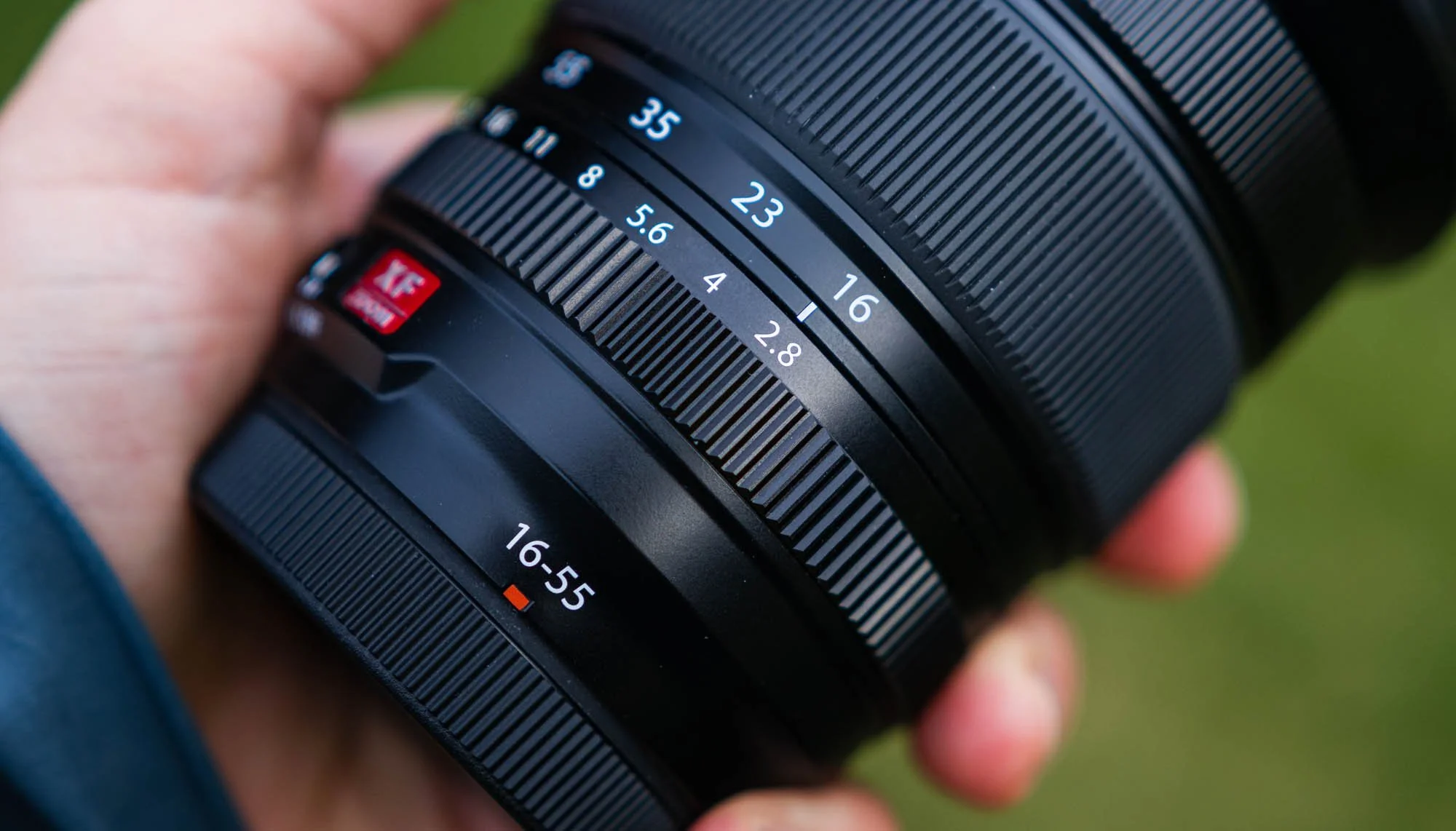
I must mention that the adjustable aperture ring was a MASSIVE selling point of why I bought the Fujifilm XF 16-55 f2.8 II over the Sigma 18-50 f2.8. In fact it was likely the only reason I spent more than double on a larger lens with similar specs. Thus I might be a bit more critical of the aperture ring than many others.
The simple truth is my copy just feels bad. Straight out of the box it didn’t feel very tactile, especially in comparison to Fujifilm’s Fujifilm XF 23mm f2.8 or the integrated lens on the Fujifilm X100VI. A few months after I bought the XF 16-55, I got the Sony FE 24-50mm f2.8 for my Nikon and that aperture ring blows the Fuji’s out of the water. A weird issue I have is that the tactile ‘clicks’ feel more substantial when rotating the aperture ring a certain direction. Meaning when I turn the ring one way, I feel a click and when I rotate it the opposite way it can be almost smooth.

I especially noticed this in hotter climates. When I was out shooting in 33C+ weather, the camera would also be quite warm. Those times, the aperture ring would feel almost clickless. I had to make sure I had “clicks” enabled on the lens. Sometimes I had to disable the clicks and re-enable them to feel anything. It was almost as if the click had disengaged over time.
Now like I said, for many reading the “feel” of an aperture ring might be the last thing you care about. However considering I bought this lens specifically because it had an aperture ring, it just sucks that it feels so bad on my copy.
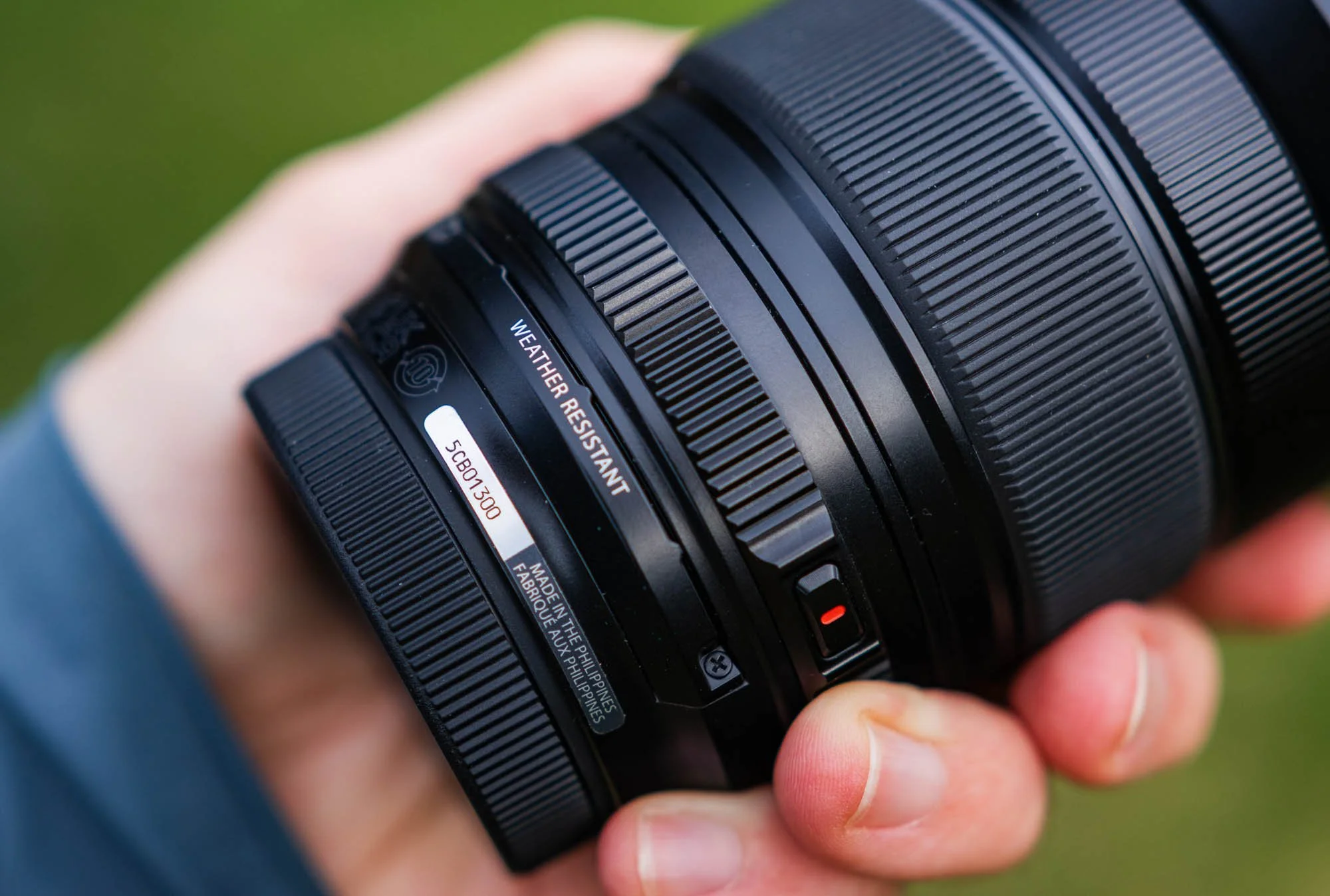
The cherry on top to my experience was right before writing this article, the cover to the breathing mechanism of the lens just randomly snapped. This piece is plastic and must have simply broken from being under too much tension? I’m not sure. It happened while I was mounting the camera to a tripod and inevitably that section made contact with the tripod as I was setting the camera down on the tripod plate. Nothing strong or out of the ordinary. It just snapped.
After this happened, I found it’s apparently a common issue of this lens. Thankfully, huge credit to Fujifilm, I contacted them and they OVERNIGHTED me a replacement to Alaska. That ain’t cheap. Sincerely, fantastic care and service.
But that doesn’t change my experience with this lens, which has been a mixed bag of fantastic images and not-so fantastic experience. It’s possible it is just my copy. Sometimes bad apples do exist. Over the next couple months I will be testing the Sigma 18-50 f2.8 to see how it compares, so be on the look out for that. I will miss the aperture ring but alas, what can you do.
Thanks for reading - if you enjoyed this and want to support my work. Consider joining my newsletter, purchasing a camera guide, leaving a comment, or just throwing me a cup of coffee below.