Photography from $0 to $10,000
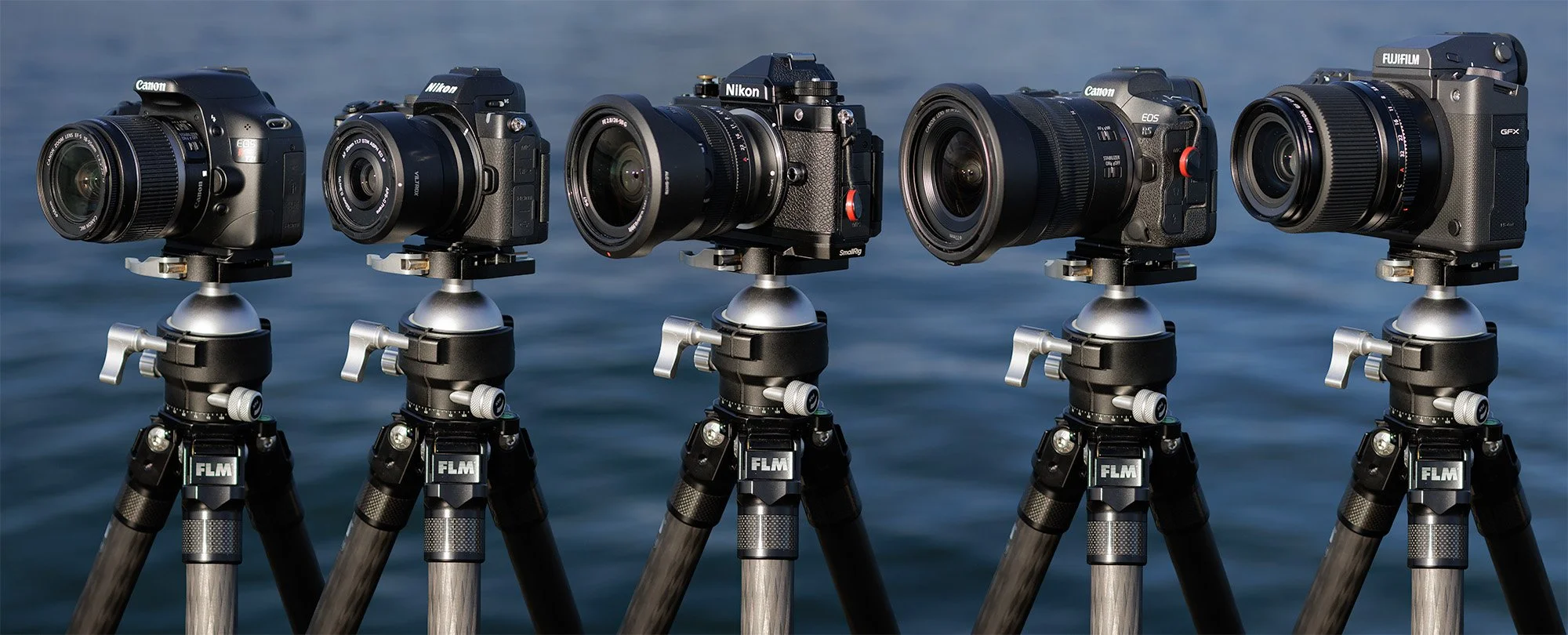
Have you ever been curious to know what spending more money on a camera system actually gets you? What if I told you that going from a $100 camera to a $10000 camera, you’ll actually lose features. To find out, I’ve got six tiers to showcase everything you could possibly gain, or lose when spending more money.
The Camera Lineup:
“Wow, You Took That With Your Phone?” - $0
“Old Enough to Drive” - $100
“Wait, This is a Budget Camera?” - $1,000
“The Sweet Spot” - $2500
“Professional? Professionally Crazy?” - $5000
“Don’t Tell My Wife” - $10,000
Photography has a ton of variables depending on what you enjoy photographing. If you’re a landscape photographer you care far less about auto focus and far more about a sturdy tripod and image quality. If you’re a street photographer you’ll prioritize weight, size, and focal length far more than say, a wildlife photographer. Thus it’s impossible to compare cameras for every genre as certain cameras are better tools for the job than others.
With that mind, I will be comparing raw image quality of every camera in our lineup, which you can actually download the image files yourself if you’d like to see those differences in full resolution. You can find that link at the end of the article, all I ask for is your email.
Image quality isn’t everything though, in fact most cameras take decent images. A lot of what separates cameras nowadays are things like auto focus, ergonomics, hybrid video capabilities, or special stuff like film simulations, auto focus eye tracking, or retro designs that impact how your interact with the camera. Lastly one of the best ways to improve your image quality has nothing to do with your camera, it’s the quality of your lens choice. Thus this article is much more than simply the results of a few side by side photos. Throughout this article, I’ll discuss what makes every camera special and what exactly it is that you gain (or sometimes lose) by spending more money.
“Wow, You Took That With Your Phone?”
$0
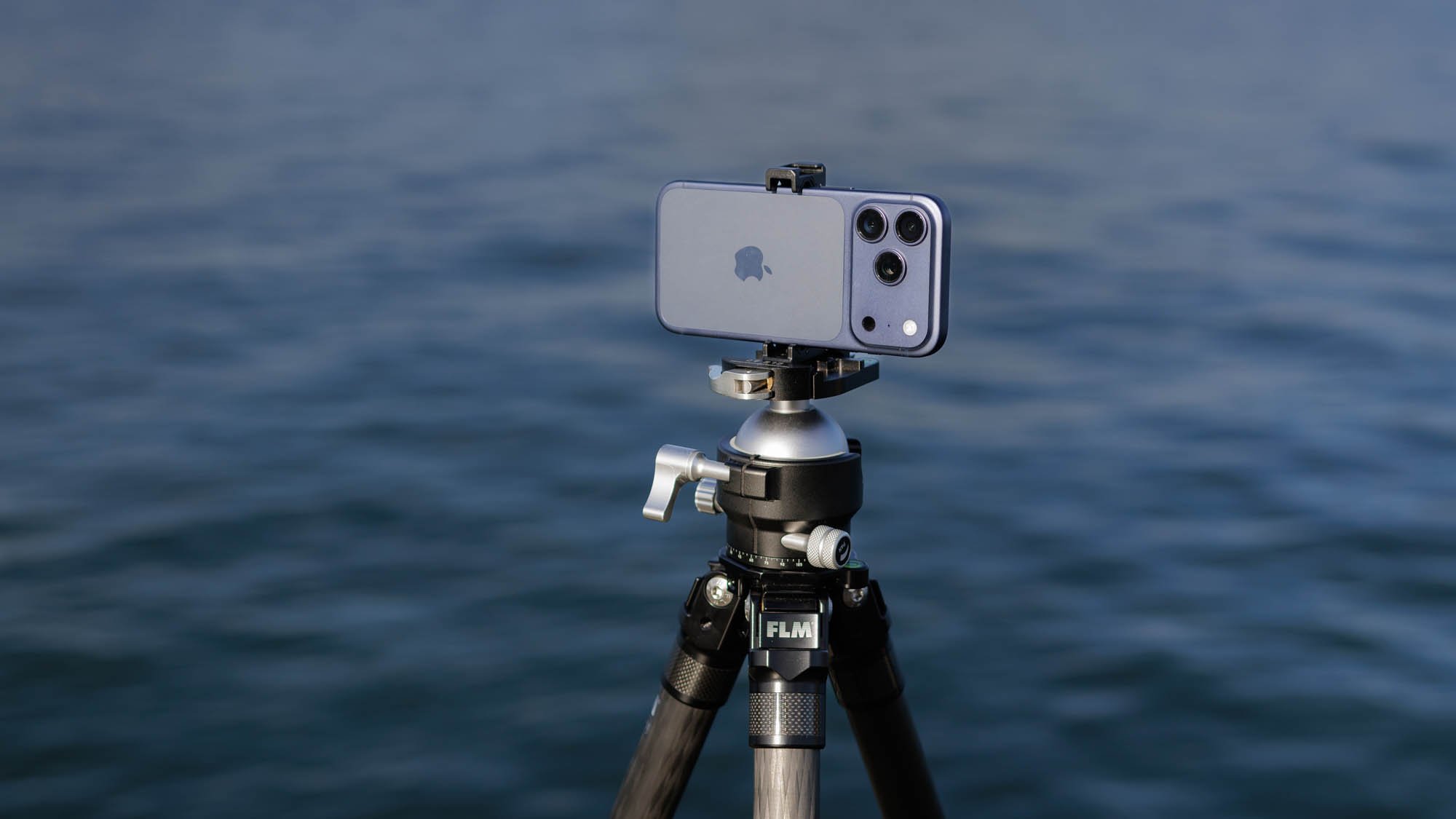
Let’s start off by not spending any money at all using our “Wow, you took that with a phone” tier, which is the phone you have in your pocket and for me this is currently the iPhone 17 Pro. If you’ve never seen my other content before, I spend every year testing the new iPhone’s capabilities when it comes to raw image quality and you’d be quite surprised what a modern phone is capable of.
For our comparison shot, all the cameras were shot using a tripod however I’m not including the tripod as part of the cost because all of the shots were possible without the use of a tripod, it just helps me keep things as consistent as possible. Most cameras were shot at roughly 35mm full frame equivalent except for my iPhone 17 pro shot which has to be taken at 24mm to utilize the best camera and lens on the phone, thus you’ll notice a different framing. I also shot using my current favorite camera app, no fusion which you can find out much more about in this article, but this allows me to take an image with a recipe applied, which basically boils down to a filter on to my image while also taking a raw image.
While my phone is capable of taking larger 48mp raw images, I decided to shoot these in 12mp raw to better represent what many of you watching right now might be capable of accomplishing with your current phone. Remember, this tier is intended to cost $0, meaning it has to represent whatever you’ve got in your pocket and on average I assume most of you watching have a phone that can take a 12mp raw image.
Straight out of iPhone 17 Pro - No Editing
You’ll see the images look pretty good, they do lack detail in comparison to every other camera in our lineup and without editing, the apple processing from straight out of camera can be a bit too much. With a little bit of editing, or simply using the image from no fusion, a lot of those issues go away. One of the major drawbacks of phone cameras is their lack of depth. With such small sensors and because of physics, it’s really difficult to take images that don’t feel one dimensional. While that hurts the phones capabilities, In some ways that can work towards your advantage though
Unlike every other camera in the lineup, it’s rare you ever have to worry about everything being in focus when using your phone. This is what makes phone special in comparison to everything else. Not only is it the camera you are almost guaranteed to have with you when you need it, you never have to worry about focus, sharpness, aperture, depth of field, etc. The beauty of phone photography is it’s accessible to everyone and can quite literally be the gateway into exploring more of the beauty in our world with zero barrier to entry.
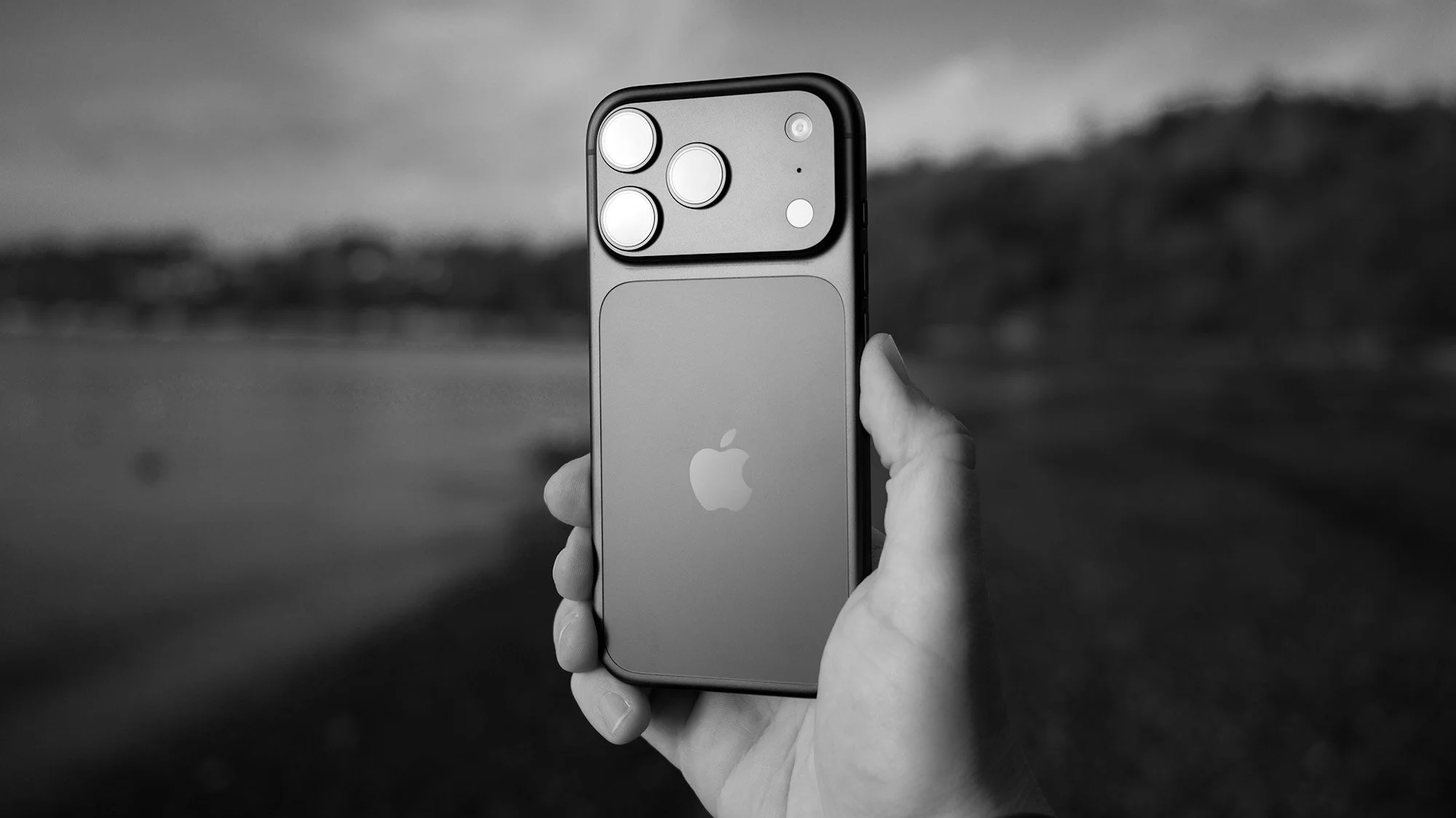
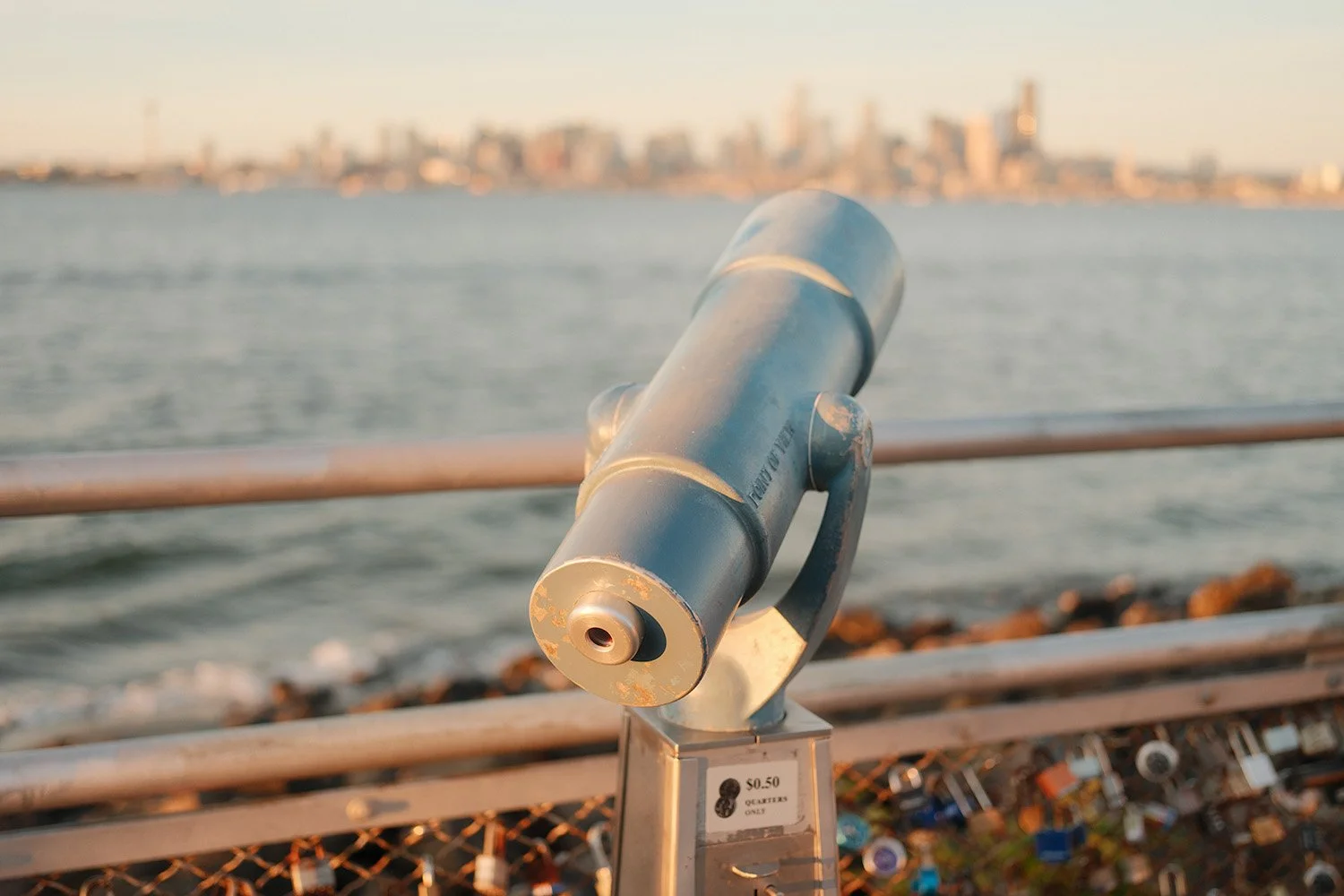
No other camera can compete with the portability, size, weight, and convenience of a phone. Sure it isn’t going to capture a bird flying through the air, or enough detail to read the email address on that viewing telescope but it’s still the camera many of us choose everyday to document moments throughout our modern lives and best of all, you’ve likely already got it!
To summarize, what are the pros and cons of using your phone?
Pros:
Convenience
Easy to Use
Cost
Cons:
Lack of Versatility
Connection to Photography
1 Dimensional Images
“Old Enough to Drive”
$100
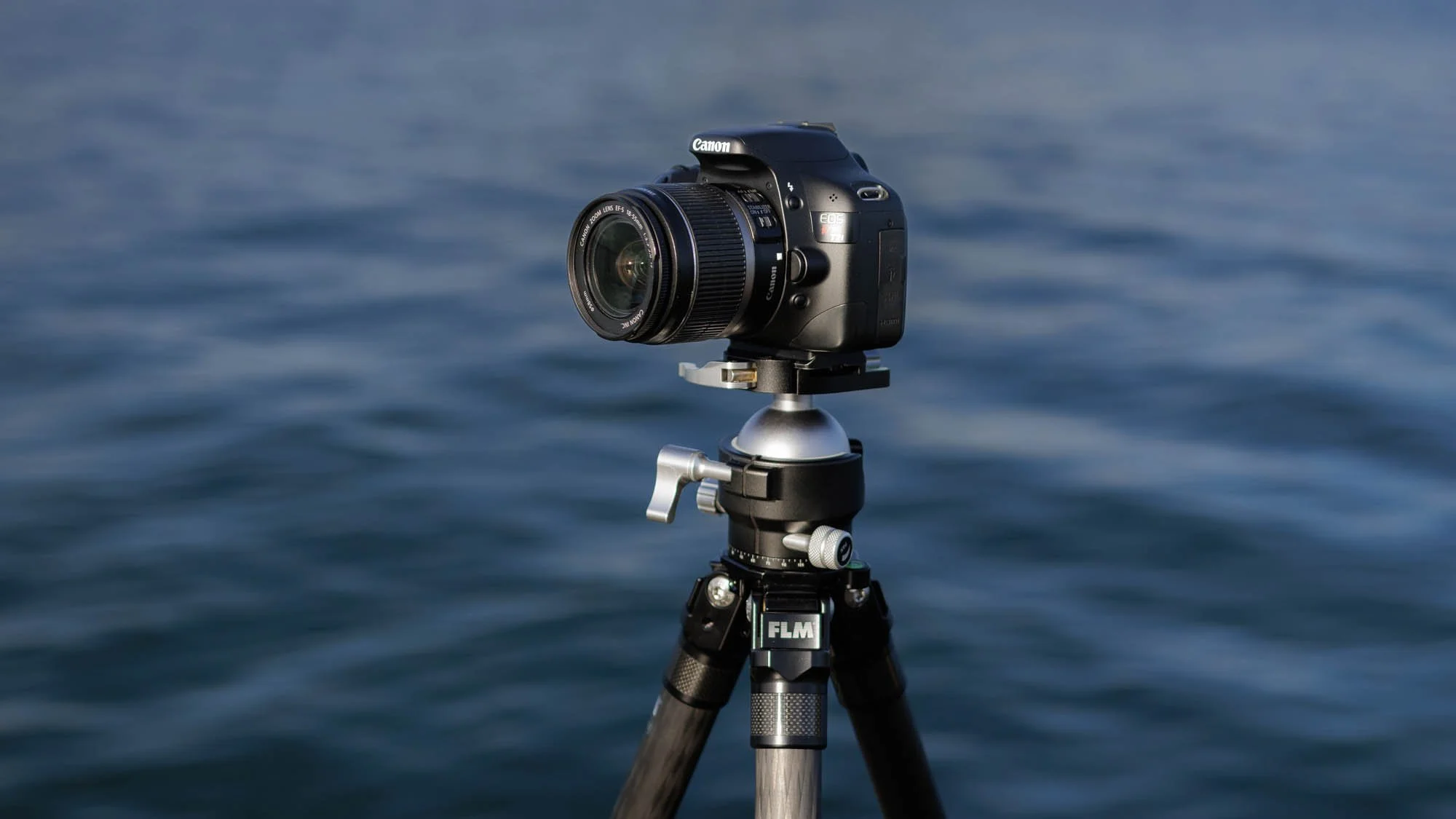
Next up, At $100 we have the “old enough to drive” Canon T2I. Released in February of 2010, I’ve got many fond memories of using this camera to film bands in my old college house during the height of the DSLR video era. This lil guy is rocking a 18mp sensor, can shoot almost 4 frames a second, and comes with the bonus of being able to see your framing without ever needing to turn the camera on thanks to it’s mirrored DSLR system - something I kinda miss when shooting with newer mirrorless cameras.
Taking a look at our in the field image, I shot all the cameras at f/11 which is typically one of the sharpest apertures for most lenses while providing a large depth of field to capture as much as we can in focus without pushing to f/16.I also shot every camera at it’s widest available aperture depending on the lens. For this little setup, i only had the kit lens for the $100 I spent meaning I could only get down to f3.5
Canon T2i @ f11
At f11, the little Canon T2I captures a decent amount of detail with some areas feeling a little soft, likely due to the lens which was notoriously soft. At f/11 we benefit greatly from that APS-C sensor giving us more of the skyline in focus as you’ll see that won’t be the case later on.
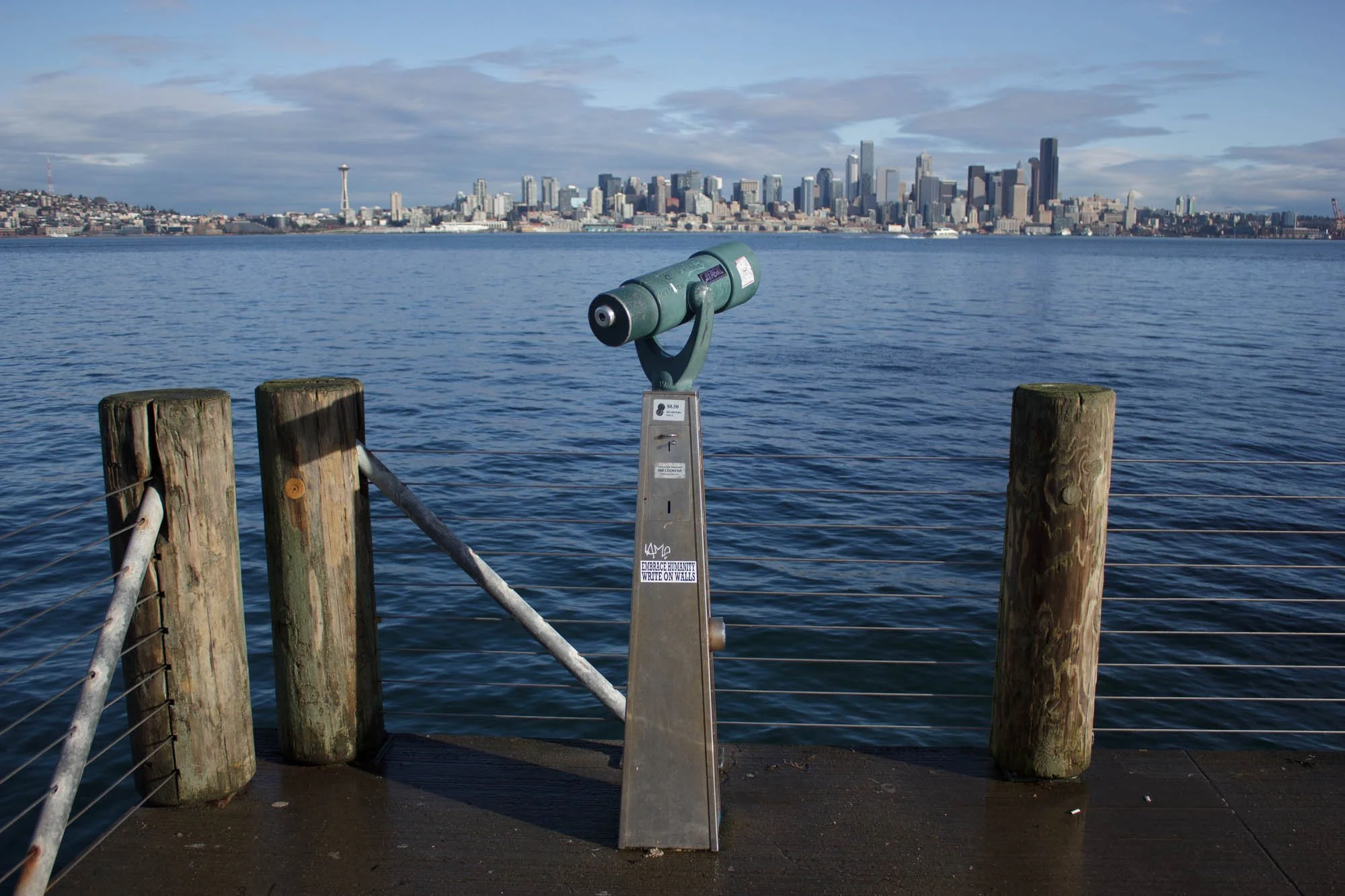
Canon T2i @ f3.5
On the flip side of that at f3.5 we don’t get much separation between the skyline and the viewing telescope but oddly enough the image gets… sharper in detail? We’ll just call that a quirk, not a feature.
Image quality aside, what makes this camera special is that you can get a “photography experience” for as little as $100. Moving up from a phone, an old camera like this one will have a learning curve, it’ll be a bit slower than what you might be used to on a phone, and the autofocus won’t be nearly as reliable as your phone. Actually my specific unit has an issue where it won’t autofocus at all until I gently rotate the manual focus ring and suddenly it works. What you’ll gain though is the feeling of having a camera in your hands, to hear and feel the snap of a shutter, and to bring alive the hobby of photography.
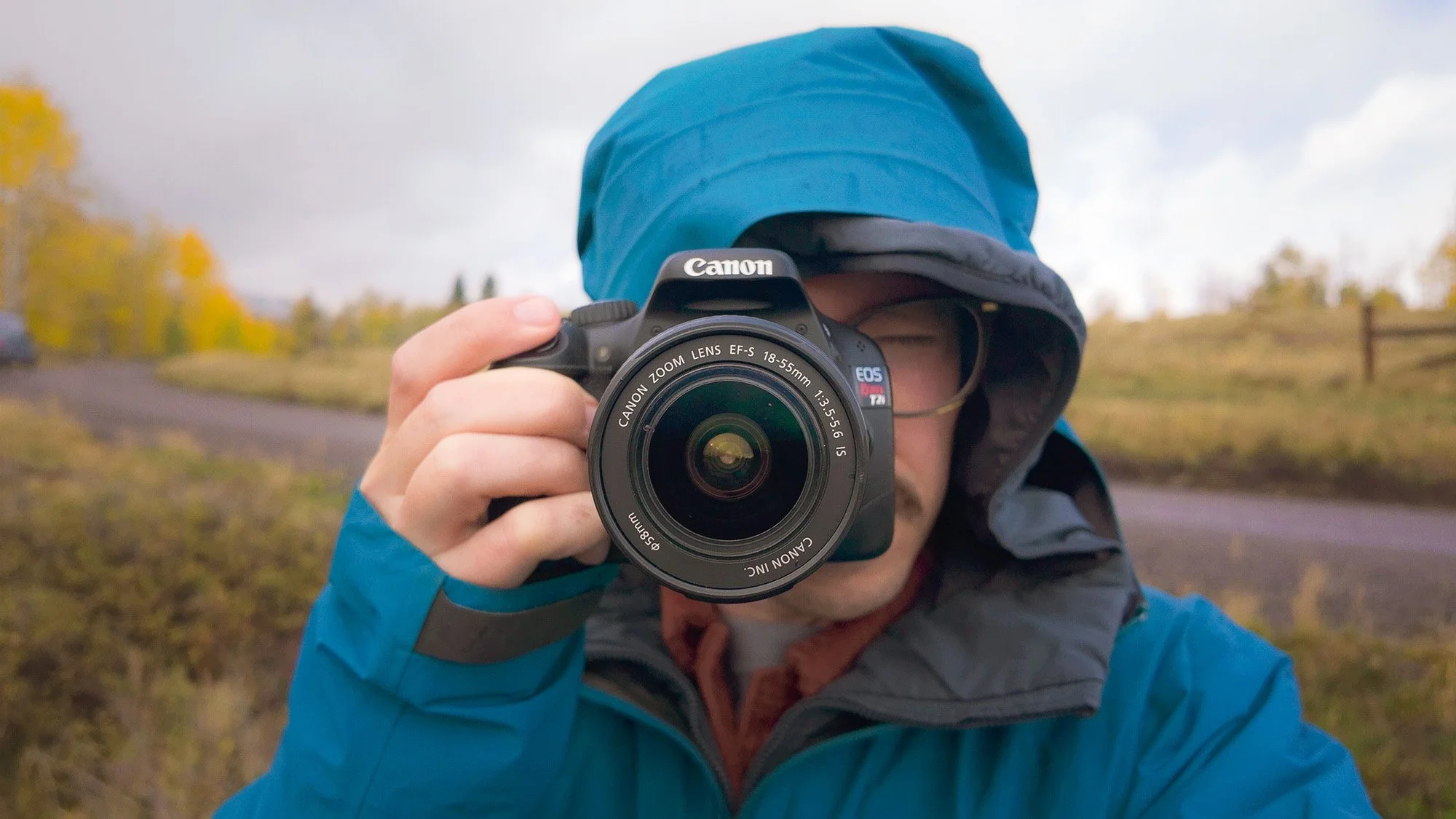
Depending on what you buy for yourself, you might get different lenses with different focal lengths. You’ll get to experiment and learn how to achieve separation in your images utilizing depth of field. You might even start taking your images into an photo editor and exploring what creativity that can offer. If you can spend a little more money and be patient you could easily move into full-frame cameras from the same period for as little as $250. If this is something that interest you, I’ve got a full guide on recommendations for older cameras in the $100-$300 camera range.
Pros:
Experiencing the hobby of photography that you simply cannot get on a phone
The flexibility to explore different focal lengths while learning a bit more about what attracts you to photography such as portraits, macro, wildlife, street, landscapes etc.
Quite affordable and with the bonus of consuming a bit less and keeping some older tech out of a landfill
Cons:
Missed creature comforts like auto-focus and frame rates which will feel somewhat dated
You’ll have to be a bit patient when trying to find a camera in good shape that still has some life to give
The biggest warning if you might enjoy it so much you’ll immediately catch a case of GAS - gear acquisition syndrome, ultimately leading you to want to spend more money down the road.
“Wait, This is a Budget Camera?”
$1,000
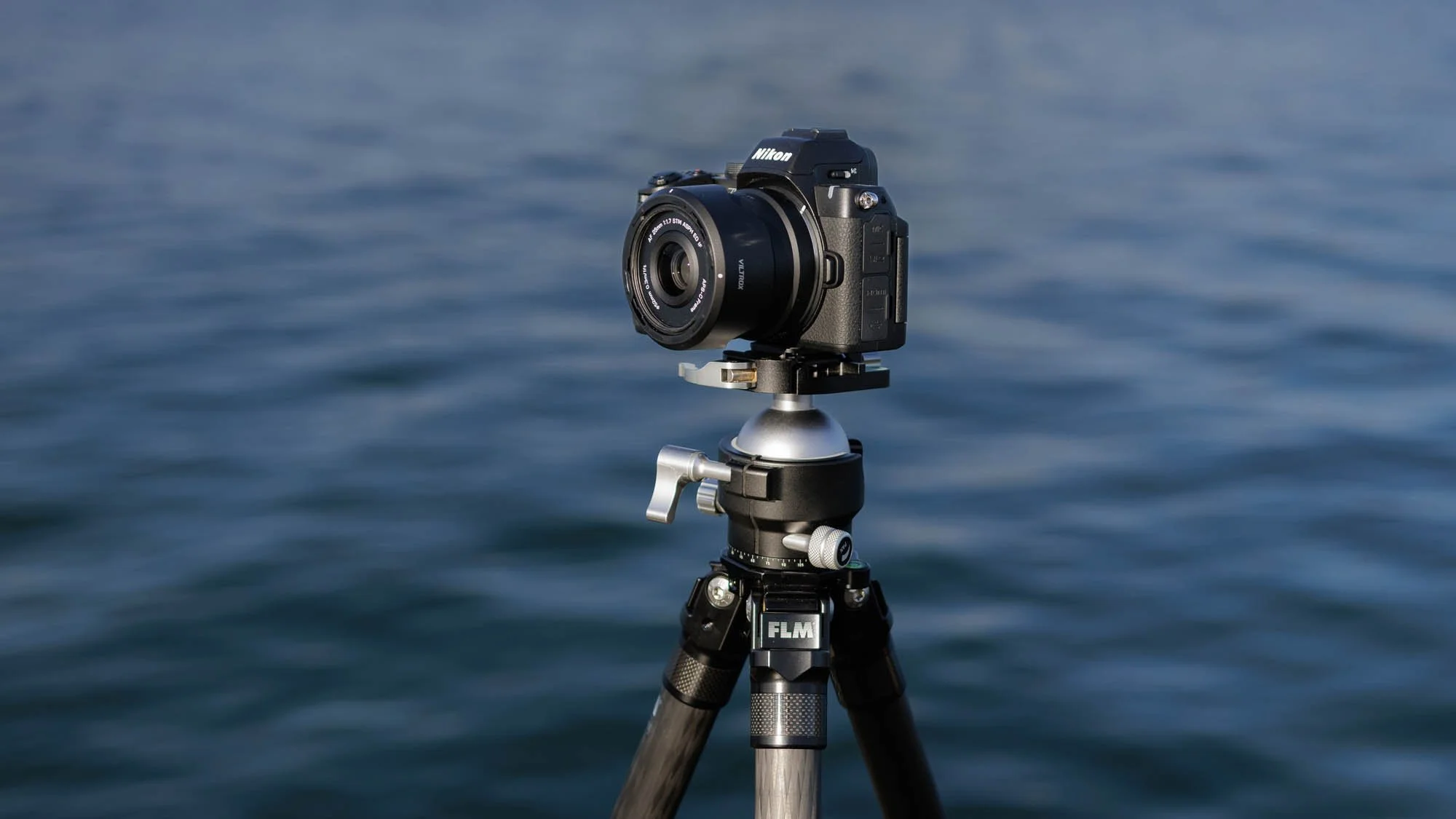
Speaking of spending more money, up next is our “Wait, this is the ‘Budget’ category?” My personal choice and recommendation for this price range is the Nikon Z50II but there are a couple cameras that you can choose to save some money such as the Canon R50 or Nikon Z30, keep in mind these prices seem to change every week. Of course you can also look into the used market to stretch your money further - I’ve got a full article covering all of your choices if you’re interested in this price range.
Let’s start off with image quality. The Nikon Z50II sports a 21mp sensor which honestly hasn’t changed all that much over the last decade on these entry level systems. This means when you’re looking at the f/11 shot from the Nikon, the raw image quality isn’t going to be all that different from our $100 Canon t2i.
Nikon Z50II @ f11
You’ll notice a bit more noise from that old canon sensor, especially in the shadows and if I were to raise the ISO, the Nikon sensor would definitely out perform the canon into higher ISOs.
Nikon Z50II @ f1.7
Moving over to the shallow depth of field shot at f1.7 on the Nikon, you’ll see decent separation from the telescope and city skyline made possible by that prime Viltrox 25mm f1.7. Overall the image quality in this price range is good, but typically these cameras utilize older sensors that haven’t changed much over the last 10 years - but thats the thing, they haven’t really needed to change because image quality from the sensor is already plenty.
What has been greatly improved over the years are things like auto focus, frame rates, and video capabilities. What you’ll get from a camera in this price range from the last couple years like the Nikon Z50II, the Canon R10, or the Fujifilm X-M5 is far more reliable and feature rich auto focus. You can track subjects, detect eyes, and simply have a much easier time keeping focus. A flagship camera from 12 years ago will likely have better image quality than any brand new camera under $1000 but it’s auto focus systems will feel absolutely archaic in comparison.
This improved autofocus also plays a huge role into the video capabilities within this price range as well. These newer cameras can all duo as vlog cameras, have reliable enough auto focus to easily accomplish talking head content, and typically all support high resolution 4k capture with wide levels of dynamic range. None of which is possible from most cameras that are 6 years or older. You throw in other features such as much higher frame rates to capture subjects like wildlife or your 2 year old running around the yard. Along with more modern interfaces, touch screen LCDs, electronic EVFs, and a lot of past flag-ship level technology that has trickled down into this budget category - you get a great package that you might not ever feel the need for more.
Straight out of Nikon Z50II - No Editing
What makes this camera tier special? One stand out feature of the Nikon Z50II or something similar such as the Fujifilm X-M5 is the implementation of film simulations or recipes. These can be simplified down into user or manufacturer created filters that stylize images right in camera, allowing you to skip editing if you’re pleased with the results. Not all camera brands of capable of this though and if this is something that interest you, be sure to watch my full video breaking down this tier.
Outside of that specific quality, this tier is where most people fall in love with photography. Canon specifically dominates this category in terms of options because they offer the most options at affordable prices, and it shows in their sales numbers. I personally started photography in this tier thanks to my aunt who handed me a camera to “figure out” back in 2007 - and now I’m here. This is the gateway drug into the hobby many of us love.
Pros:
How capable this tier has become, providing excellent auto-focus, frame rates, and video capabilities that were once reserved for higher cost cameras.
Similar to our $100 tier, if this is your first camera it will provide stronger connection to photography than a phone
Many of these cameras are some of the most portable cameras you can buy. Specifically the Fujifilm X-M5 and Nikon Z30 forgo an EVF all together providing a fantastic walk around camera.
Cons:
The reason these cameras tend to be so light weight and portable is they utilize a lot more plastic construction which hurts their durability and overall the build quality when compared to our later tiered cameras.
These small sizes also mean smaller screens, less battery life, and less pleasing ergonomics
The lens choices for most of these cameras can be limited, outside of the Fujifilm X-M5.
“The Sweet Spot”
$2500
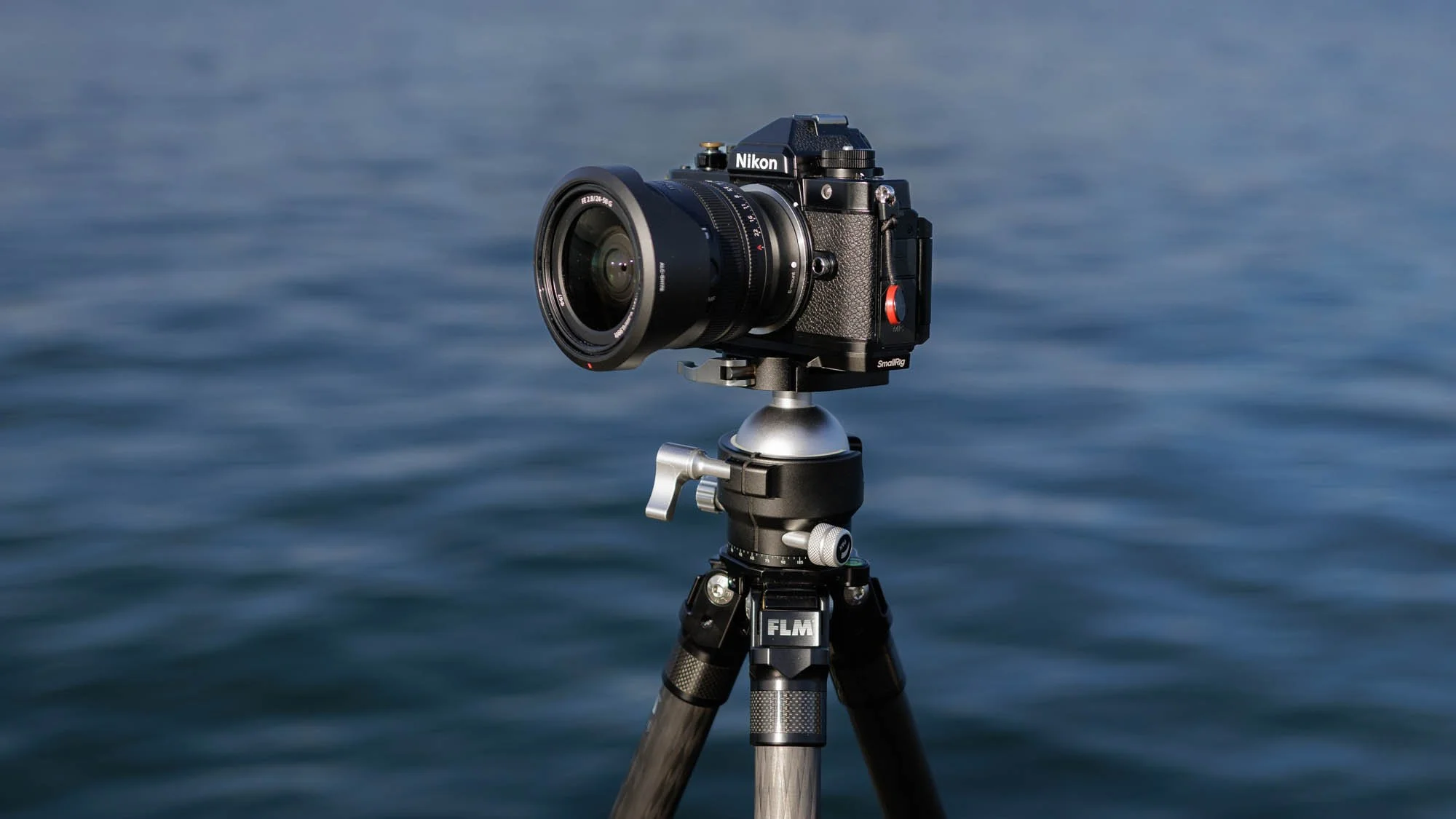
So if you get such a great package for $1000, what can you get from “The Sweet Spot” camera? This is the price range where your money typically stretches the furthest, giving you nearly every feature you’d find on more expensive cameras while not paying the “flag-ship” tax of brand new technology or niche features. This budget gives you access to much more lens choices: for example you can get a full frame Nikon Z5 II combined with their 24-120 f4 lens, or you could pick up a Fujifilm X-E5 with a sigma 18-50 f2.8 for an ultra portable option. Or maybe you want a retro styled camera like the Nikon Zf combined with Nikon’s 24-70 f4 lens which is what we have today… kinda.
For our image comparison, I’m using the 24mp Nikon Zf combined with the Sony 24-50 f2.8 lens. Before you reach for the comments, yes this combination is outside of the $2500 budget, however for our image testing purposes I’m only utilizing the lens at 35mm, which Nikon offers 35mm primes with wider apertures and likely sharper images for cheaper. This is just what I’ve got currently.
Nikon Zf @f11
Comparing our f/11 shot from the full frame Nikon Zf to the Nikon Z50II, keeping in mind the slight focal length difference. You’ll actually notice the more budget oriented camera looks a bit sharper. This is likely due to the prime lens on the cheaper camera, the slight extra reach at 38mm, and a less shallow depth of field at f11 with the APSC z50II. Worth noting there that theres also the possibility this odd Nikon + Sony lens combo missed the mark, but I doubt it. You’ll also notice that at f11, the Nikon Zf has less of the skyline in focus because that full frame sensor achieves a shallower depth of field when compared to the same aperture of the APS-C camera.
Nikon Zf @ f2.8
Opening up the aperture to f2.8, we achieve a nice fall off from the subject to the skyline and this is why many people desire full-frame cameras. This sensor size achieves a good middle ground between smaller and larger sensors, giving you the ability to achieve a shallow depth of field quite easily while still being able to get everything in focus without too much light loss from smaller apertures compared to larger sensors like medium format, which we’ll address soon.
Sharpness and depth of field aside, one big pieces of the image quality pie that’s missing in this limited comparison is dynamic range and cleanliness of the image. Once you step into this budget range thus unlocking full-frame sensors or the latest sensor technology. You start seeing noticeable differences in low-light performance for things like astrophotography or even the times you’ve have to crank the ISO to capture something like birds in flight during sunset. Even comparing modern full-frame sensors from those of the past decade, you’ll see noticeable noise and low light performance improvements.
While this tier opens the door to full-frame sensors and slight image quality improvement, the biggest improvement is likely in lens choices. If you pick up a $1500 camera, it means you’ve got budget for a $1000 lens which will likely give you sharper images, access to wider apertures, or more specialized options like macro photography or even some wildlife.
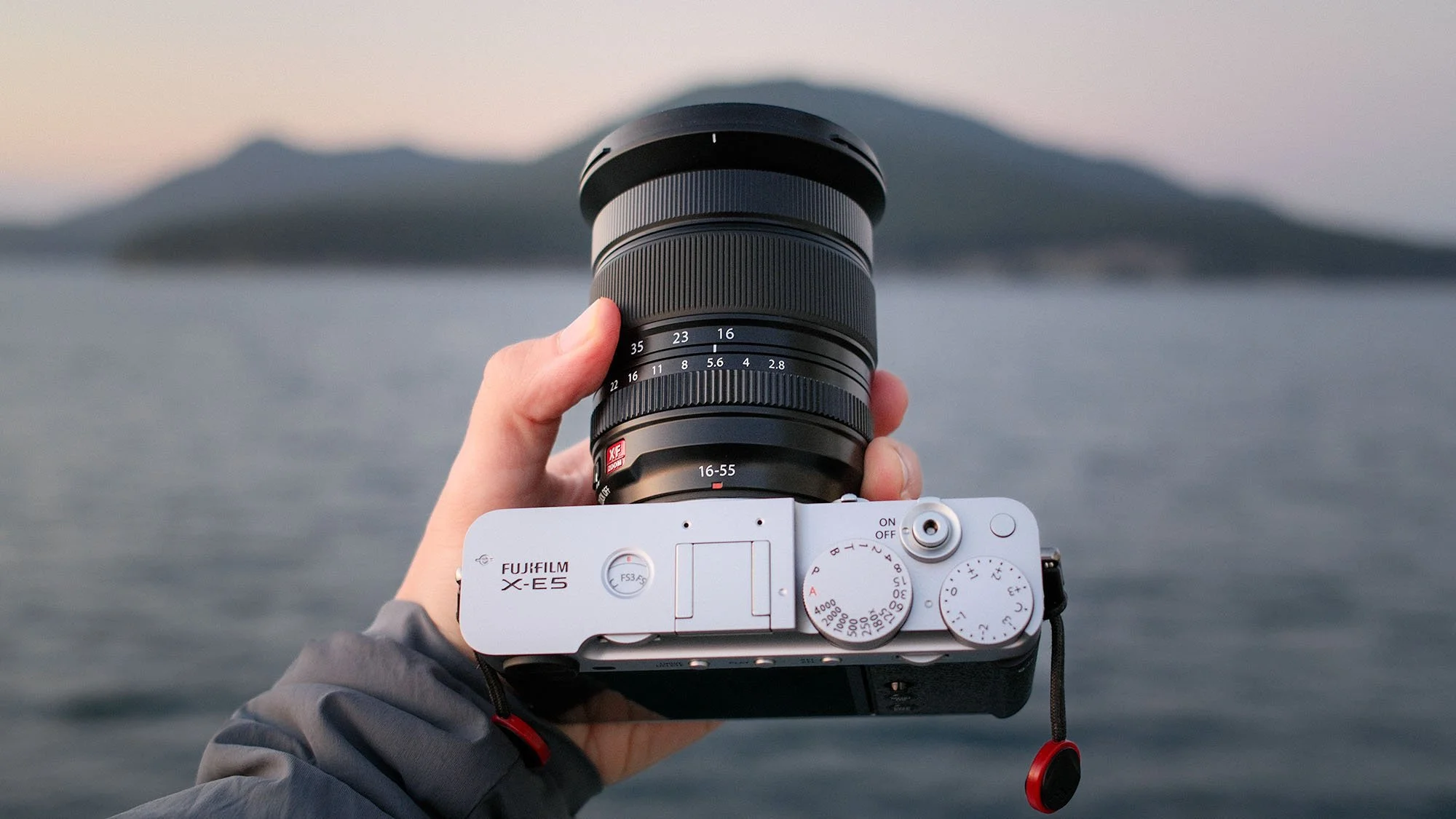
The cameras in this price range are also much better built than in the previous category. Many of them might have weather sealing to help provide piece of mind when you’re out in the elements. The buttons, switches, and dials will all respond better and simply feel more premium. Most cameras in this price range will have internal image stabilization built into the camera allowing sharper images at slower shutter speeds. A few cameras like the Nikon Z6 III utilize partially stacked sensors for better image quality when using electronic shutter or improving rolling shutter when filming video.
Auto focus gets even more reliable than the previous tier, we get access to higher frame rates like 40frames per second on the Canon R6 Mark III (and even the older Mark II) which was flagship numbers only a couple years prior. Video quality codecs and options explode coming from the previous tier, Giving access to 6 or even 7k footage with the ability to shoot in raw video like on the R6 Mark III or Nikon Z6 III along with higher frame rate slow motion capabilities, better dynamic range and log formats from all brands.

What makes this tier special is that almost everything you could want likely exists roughly in this range. Want a unique stylistic ultra portable camera that features a hybrid EVF/OVF like the Fujifilm X100VI? Want an absolute powerhouse hybrid camera like the Nikon Z6 III? Maybe you’d prefer a more compact camera that can film everything and be your main photography camera with the Sony A7CII. This tier is special because it’s where the industry is the most competitive and provides the most options so that you don’t necessarily feel like you’re wasting money on features you don’t need. For example, maybe you just want a camera that is stuck to a tripod to shoot astro photography and don’t need all these new bells and whistles. Grab a generation or two older full-frame camera and spend the majority of your budget on the astro photography beast Sigma 14mm f1.4 lens.
Pros:
Access to flagship level specs at less than flagship prices
Cameras will be better built with things like weather sealing, metal frames, and overall just handle wear and tear more reliably
You can also afford professional level glass which will improve image quality and user experience, sometimes even giving you access to genres of photography you couldn’t previously shoot at a lower budget.
Cons:
The downside of this tier is typically everything gets larger and heavier as you move up the cost. Larger apertures, larger sensors, bigger grips, more metal construction - everything gets a little heavier and your back starts to hurt a bit more.
The choices become endless here and it can be somewhat difficult to navigate what you might need or even want at times.
Many people might want the latest auto focus technology but never shoot video a day in their life yet they are still paying for it. This is a side effect of camera technology reaching a bit of a plateau, thus pushing manufacturers to pack as much as they can into a single camera.
Oh also, this tier also suffers the most from “as soon as you buy it, something new will come out.”
“Professional? Professionally Crazy?”
$5000
While the $2500 tier covers almost everything we could possibly need, there’s a few genres of photography that almost don’t even start until you reach the next tier up. The “Professional? Or Professionally Crazy” is where you start getting flag-ship new technology or access to unique professional lenses. For example if I combine my $1500 Canon R7, well within the previous tier’s budget, with the Canon RF100-500mm so that I can photograph wildlife - I’m officially well within this tier.
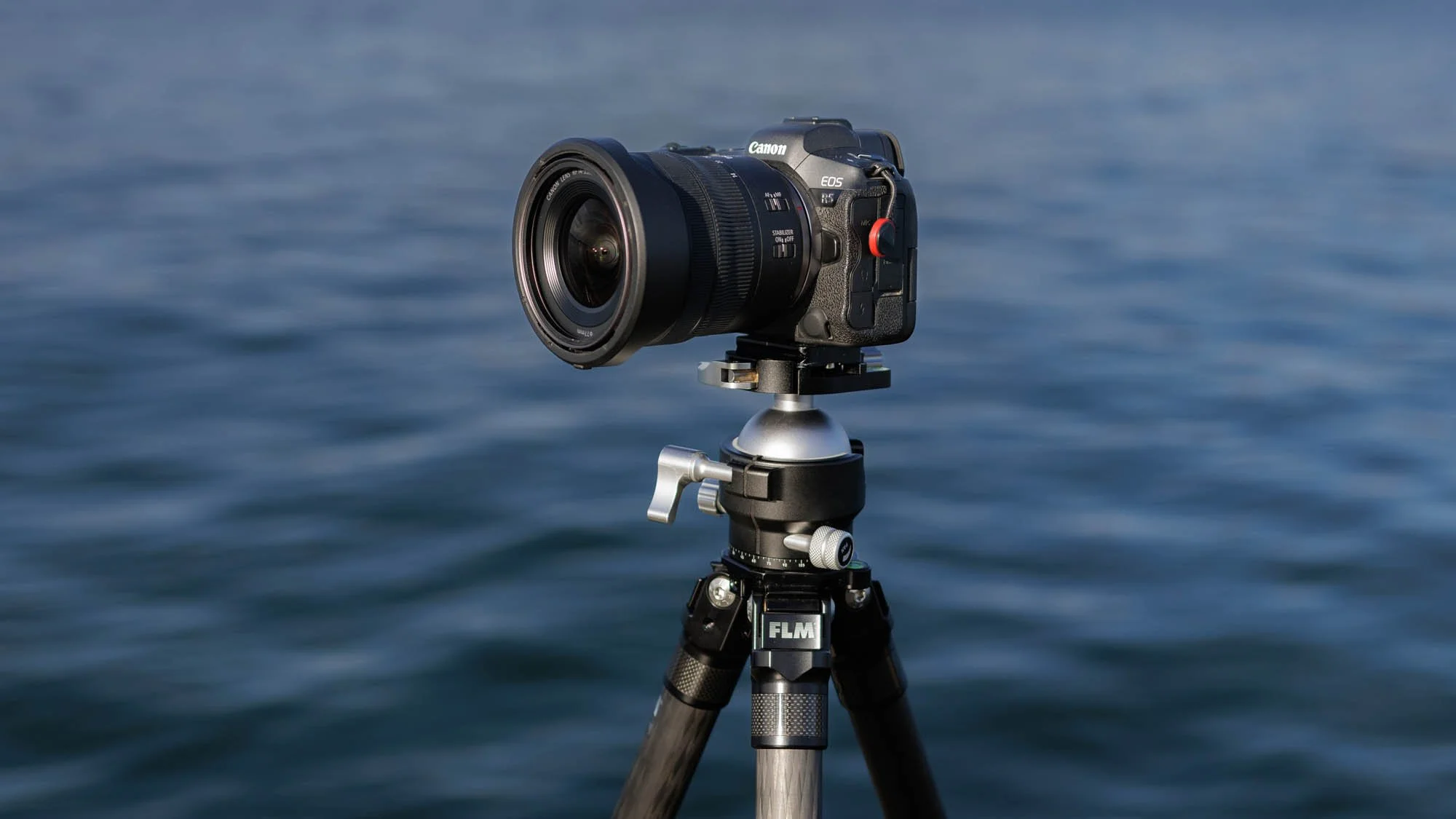
The “Professional” setup I’m using today is actually quite tame. Using my tried and true Canon R5 that I’ve had for roughly 5 years now, combined with the Canon RF 14-35. If i had upgraded to the Canon R5 Mark II we’d actually be right on budget, but rest assured for this simple image comparison, the Canon R5 I have here is actually has slightly better stationary image quality than it’s newer sibling thanks to that new stacked back side illuminated sensor.
Canon R5 @ f11 (yes the horizon line is not straight)
Taking a look at the 45mp image from the Canon R5 at f/11, you’ll notice more detail than the smaller 24mp sensor of the full frame Nikon Zf. Lets make it a bit more interesting though and compare the Canon R5 to our 1,000 tier Nikon Z50II. While the R5 image can be pushed into higher ISO and have more latitude in editing, it’s impressive just how detailed and sharp that budget prime lens is combined with the Nikon’s smaller 21MP sensor. Just goes to show how much you can get for $1000 now.
Canon R5 @ f4 (yes the horizon is still not straight)
Moving on to the other image, I can only open up to f4 on this lens as this is the camera I mainly use for landscape photography, we still get some nice separation from the telescope to the skyline. f/4 on the full frame R5 matches almost perfectly to the f2.8 on 40mp crop sensor of the X-E5, which you can find in the download link for these full resolution images at the bottom of the article!
The image quality improvements from the previous tier to this one are minimal. The biggest improvement is simply in megapixels. In the previous tier, most of the full-frame options reached into the 33mp range where as cameras in this tier such as the Sony A7RV achieve up to 61mp. That being said, it’s important to note that 33mp to 61mp might sound like double but it’s actually only a 36% increase. Personally I’ve found you don’t really need much more than 33mp. Many of the cameras I shoot on, such as the Nikon Zf are only 24mp.
So we get a slight bump in megapixels, there’s gotta be more than just that to spend nearly double on the camera body right? Technically yes, but a lot of what you pay for at this tier is specialized newer features. A great example is a feature on both the Canon R5 Mark II and Canon R3, which have eye control auto-focus allowing you to move the focus point by tracking your eye. Within this price range you also get access to cameras like the Nikon Z9 or Canon R3 which both implement body grips for holding in landscape or portrait orientation, thus also increasing their battery lives because they contain much larger batteries in those extended grips.

Canon R5 + RF100-500
In my experience one of the biggest differences from the $2500 tier to the $5000 tier isn’t on a spec sheet and that is durability/build. This isn’t to say the build quality of the previous tier is bad, not at all. However once you get into this tier, which is full-time professional - everything gets a bit more rugged. The weather sealing and dust resistance, the rated curtain counts, the buttons, the body material. These are the cameras that sports photographers beat the crap out of or landscape photographers sit under waterfalls with, or documentarians will go to war with. There is a noticeable step up in build quality that accounts for the increase in price because many people using these cameras rely on them to work when they need them to.
There’s not a lot of fanfare when getting to this tier in terms of cameras. Much of the differences are unseen when it comes to camera bodies, but what about lenses? This is the budget that starts to get into “Okay maybe I’m professionally crazy” territory and I’m not even referring to the mostly practical RF100-500 lens I mentioned earlier. I’m referring to the lenses like the Canon RF 85mm f1.2 that cost over $3000 or the sony 28-70 f2 or the nikon 400mm f4.5. These are the lenses many people lust over, typically in correlation to larger and larger apertures or incredibly clean bokeh, lack of LoCA, and boutique characteristics that simply aren’t achievable in more budget oriented setups.
What makes this tier special is that most of the options do something unique and unobtainable elsewhere. Whether thats cameras with huge megapixel counts, eye tracking auto focus, 8k 60fps raw video recording or lenses that produce bokeh so creamy you’ll have to change pants - this is the tier of top performance. The tier that professionals and enthusiasts rely on for the best performance and pristine results. Where most of the new technology gets introduced and adopted.
Pros:
Reliability, durability, and quality.
If you’re spending this much you’re also likely getting flagship specs with the best image quality, frame rates, video features, or specialized sauce and it should be so advanced that it’ll last for years.
It cannot get much worse for your wallet from here - just as long as you don’t get into wildlife.
Cons:
Flagship or early adopter tax.
If you’ve spent this much on camera gear, it almost might be time to insure it and now you can never leave your backpack in the car ever again.
You can’t blame your bad shots or missed focus on your gear anymore.
“Don’t Tell My Wife”
$10,000
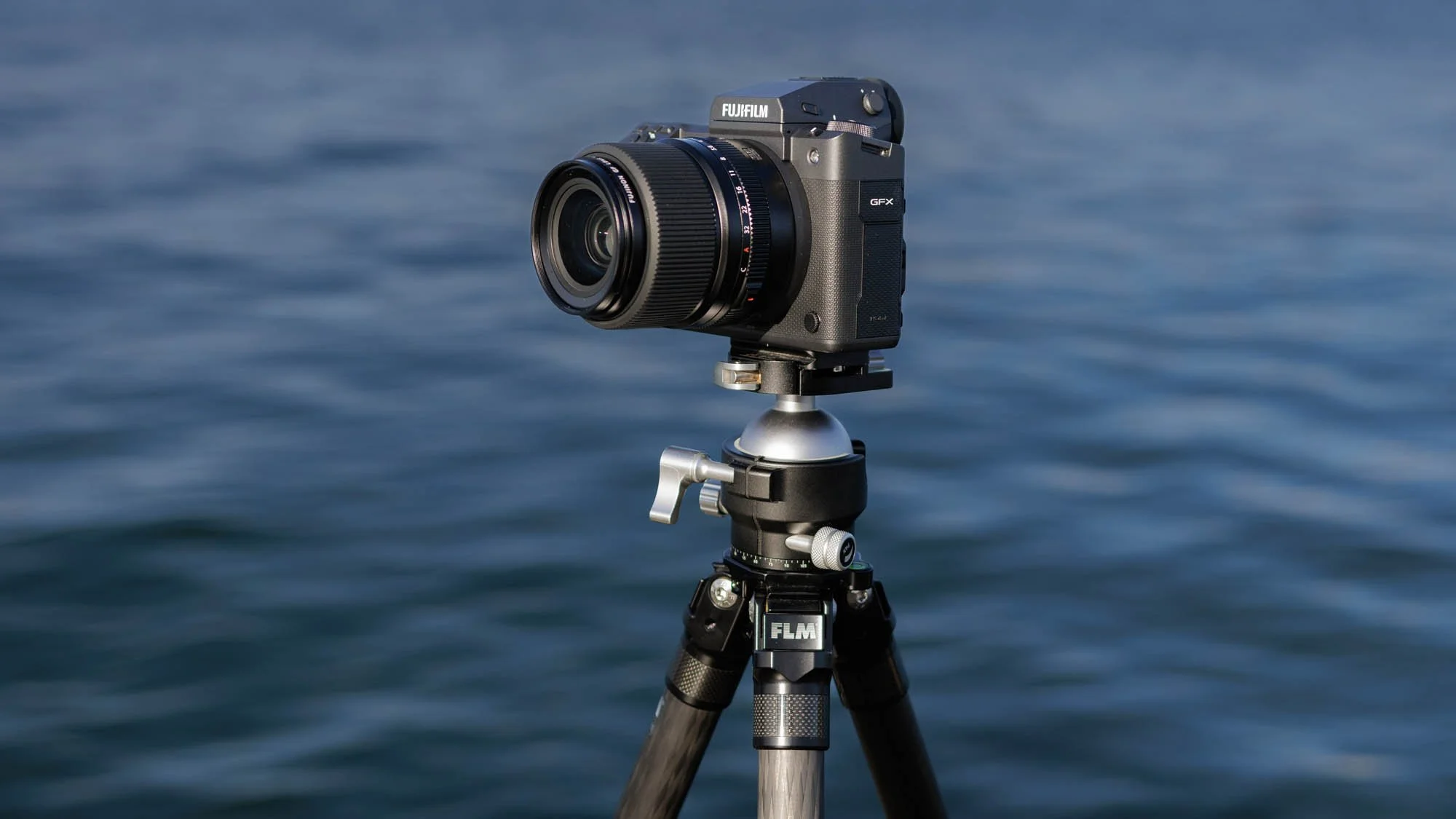
Alright the moment you’ve all been waiting for. This is the “Don’t tell my wife” tier and also where things gets a bit weird. This is the tier where we unlock medium format 102mp cameras but also the tier where you can buy fixed lens cameras that only shoot in black and white…
For the comparison I’ll be using the Fujifilm GFX100II which was kindly sent to me from fujifilm to borrow just so I could take this comparison shot. I actually personally prefer the Fujifilm GFX100SII that they also let me borrow during the summer simply for it’s size but it’s sadly more affordable and wouldn’t meet our 10k budget requirement.
Fujifilm GFX100II @ f11
Shooting at f11 on the GF 45mm f2.8 lens, the details are spectacular. Comparing images side by side to the Canon R5 and zooming in the canon r5 to match, the level of detail achieved on this sensor is simply unmatched. Looking at the difference between this image and the one from the Canon T2i, you have to zoom into 250% to match the image sizes. The quality is, as expected, much improved. Ironically because we shooting at f11, we weren’t nearly stopped down enough to capture everything in focus on that larger medium format sensor and this is certainly something to keep in mind the larger your sensor gets.
Fujifilm GFX100II @ f2.8
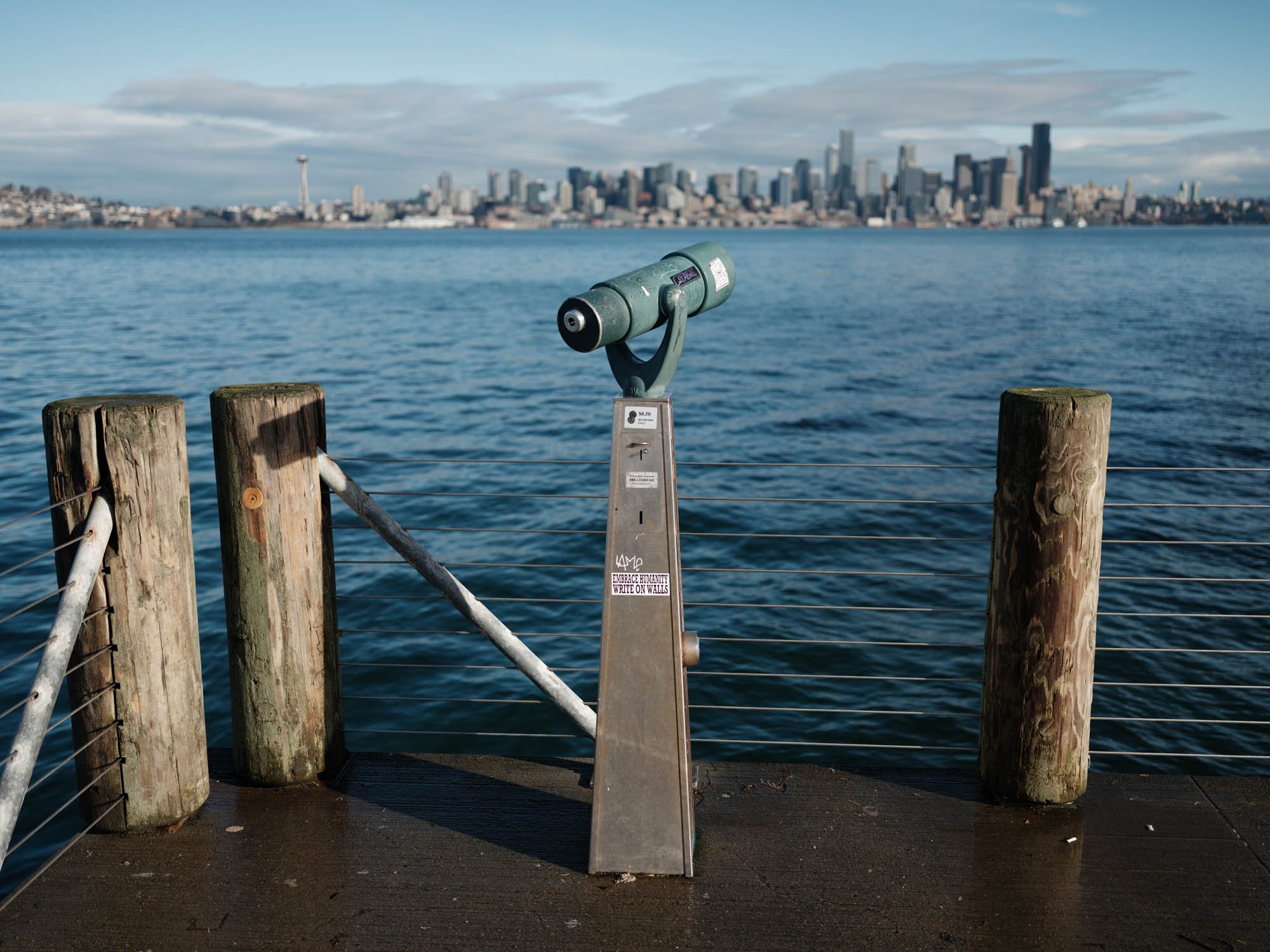
Looking at the f2.8 shot captured by the medium format camera, you’ll notice the absolutely beautiful separation achieved from the telescope to the skyline. Many people love medium format for this type of easily achievable shallow depth of field, but also keep in mind that it means you’ve got to shoot even smaller apertures when you want everything in focus as well. Regardless, what you’re seeing on the screen is essentially the entire reason people spend this amount of money, simply because this level of detail and resolution isn’t achievable otherwise.
Image quality and resolution is essentially where this $10,000 party bus stops though. Almost every other features, metric, or characteristic about any medium format camera will likely be a downgrade in comparison to our previous tier. Heck in some cases like the Hasselblad X2D, the autofocus was worse than new entry level cameras we discussed earlier. Not to mention the fact that it can’t even record video. The Fujifilm medium format cameras such as the Fujifilm GFX100SII, Fujifilm GFX100II, the Fujifilm GFXRF100 and im sure a few others do record video but still not in the same league of all the wild stats of the cameras in the $2500 tier.

None of this is to say these cameras are bad. Absolutely not. This simply highlights that to achieve the greatness of such image quality, you have to pay more than just the monetary price. Cameras in this tier are still extremely well built and feature rich. The GFX system from Fujifilm is absolutely the best middle ground between creature comforts I expect like reliable auto focus, 8+ stops of image stabilization, and 4k video recording while still utilizing that 102mp sensor. The Hasselblad features 1tb of internal storage - something I wish every camera featured. While it lacks video this also means the camera is photography focused which allows the interface and menu systems to remain refreshingly simple.
Outside of medium format you have… Leica. Now I have no personal experience with Leica cameras and to this day they still confuse me a bit. I know friends who swear by them and their experience though. All that being said, Lecia doesn’t necessarily offer a feature set, spec sheet, or wild image quality that cannot be achieved for less money. What it does offer, from what I can tell, is a boutique premium experience for niche audiences, such as the Leica Q3 monochrome edition which sports a fixed 43mm lens and can only shoot in black and white. They also offer digital range finder cameras that you can only really find on a Leica. You also get welcomed into the Leica club, and even though I’ve never been invited - I have to imagine the branding and name is important to some people.
So what makes this tier special? Well first of all, if you own one of these cameras you probably feel special. You should and I’m jealous. This tier is where you find the mostly unnecessary but intriguing cameras. Do you need 102mp? No, but what’s it like to shoot with? Do you need a fixed 28mm $8000 Leica to walk around town with? No, but I’m damn curious of what magic is happening there because they clearly sell. There are some practical cameras in this range as well such as Fujifilm’s GFX line which does a great job utilizing a medium format sensor in a very affordable and approachable system. You’ll also find the top end of Sony cameras in this lineup such as the Sony A1 or A9, both of which serve different purposes. Lastly, this tier gets you almost to being able to afford one of the more recent wildlife lenses.
Pros:
Gaining access to some of the best image quality money can buy.
You’ll absolutely gain some cool points, and in some cases might even garner more respect when shooting (this might sound like sarcasm but it’s weirdly accurate in some photography spaces)
Likely never need to upgrade again
Cons:
Everything in this category is just more expensive - lenses, batteries, accessories, etc
You lose creature comforts that you might be used to from all the previous tiers.
You’ll feel A LOT worse the first time you drop your camera.
That’s it. Thats the difference between a $100 camera and a $10,000 camera. Would love to know which one you’d pick or if I missed anything glaringly obvious. Let me know down below!