

Blog
The Most Desired Camera in the World
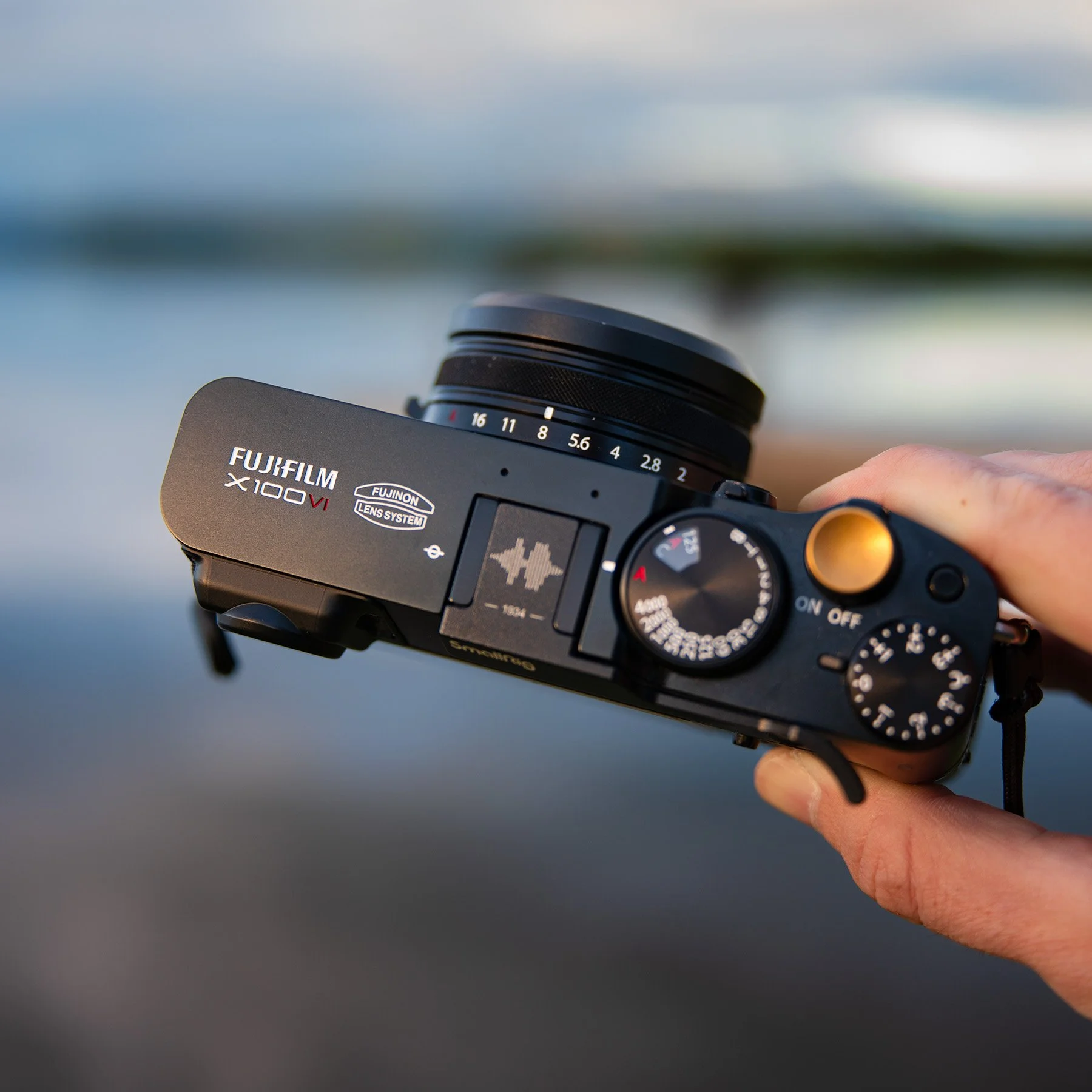
The key takeaway here is that the Fujifilm X100VI (or similar models) will be remembered as an iconic moment in photography. It’s a reminder that not every camera has to do everything, that photography can simply be for fun or leisure, and that community is more important than ever in a world where we never spend time together anymore. It’s a camera that blends all experience levels, does nothing the best, carries harsh restrictions to push our creativity, and remains uniquely in a league of its own which is exactly why it’s the most desired camera in the world today.

A Complete Guide to Buying a Used Camera
There has never been a more affordable time to get into photography than now, contrary to the rising prices of nearly everything else in the world. The key is to find a gently used or well loved DSLR that grows more and more affordable as people migrate to mirrorless systems.
While there have been small improvements to image sensors over the past decade, image quality hasn’t progressed in the same way that auto focus or image stabilization has. Thus cameras pushing 15+ years old still produce fantastic quality images while lacking modern creature comforts.
I Tried Sony Lenses on My Nikon… It Actually Works
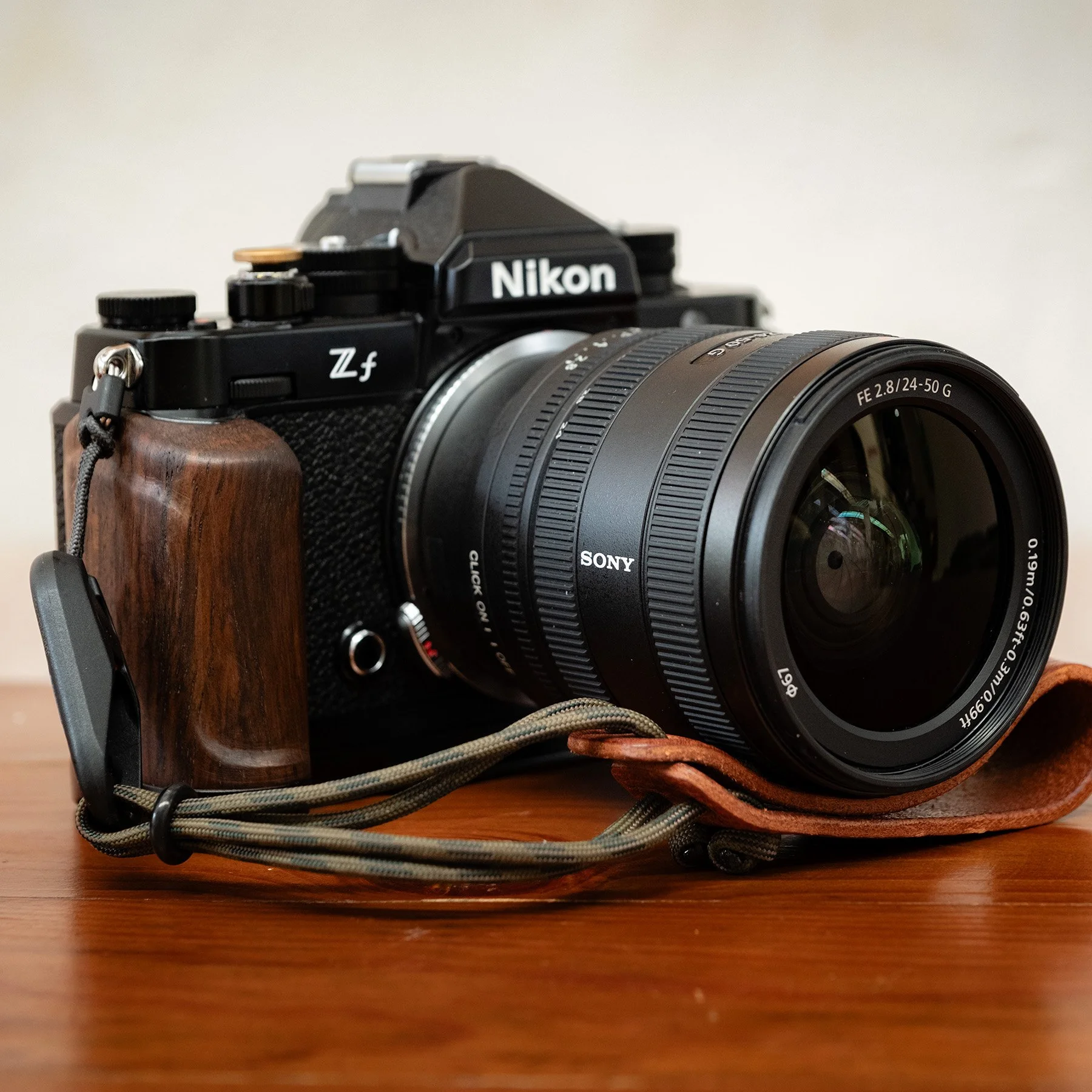
So, I bought a Sony FE 24-50mm f2.8 for my Nikon Zf and if you’re like me, you probably have quite a few questions. Why this lens instead of a Nikon lens? How does this work and does it actually work reliably? There must be drawbacks right, you can’t just use another brands lens on a camera… Can you?
I had all of these questions myself and couldn’t really find great answers online, thus I’ve spent the last 4 months living with this setup to test the auto focus, functionality, and discover all the quirks and features of mashing two brand’s together into what I think is an ultimate setup. The results? Well they were better than I expected and the best part was discovering what this means for the future of Nikon’s Z Mount.

Photography from $0 to $10,000
Have you ever been curious to know what spending more money on a camera system actually gets you? What if I told you that going from a $100 camera to a $10000 camera, you’ll actually lose features. To find out, I’ve got six tiers to showcase everything you could possibly gain, or lose when spending more money.
Photography has a ton of variables depending on what you enjoy photographing. If you’re a landscape photographer you care far less about auto focus and far more about a sturdy tripod and image quality. If you’re a street photographer you’ll prioritize weight, size, and focal length far more than say, a wildlife photographer. Thus it’s impossible to compare cameras for every genre as certain cameras are better tools for the job than others.
Fujifilm X-E5 Recipes
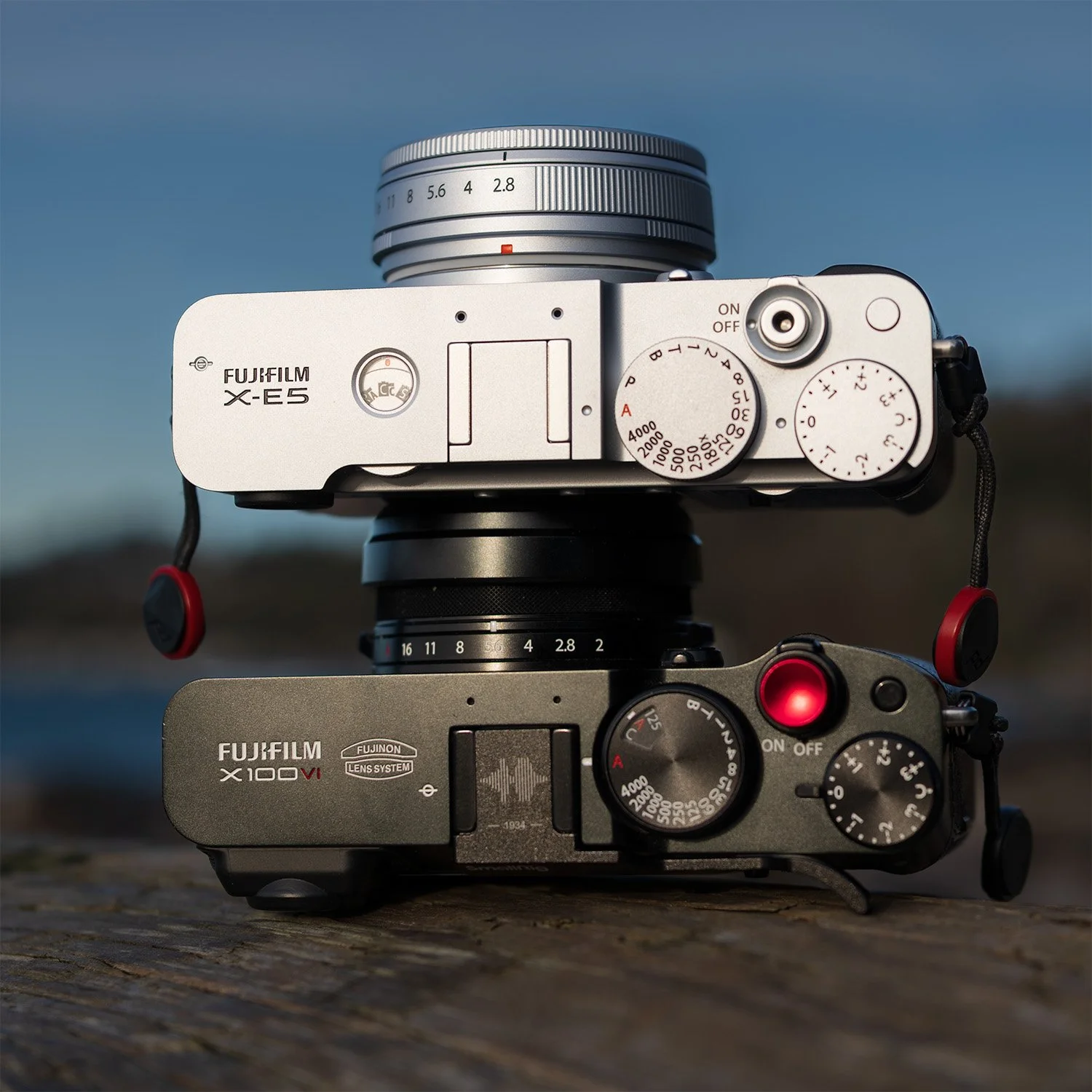
I’ve spent a couple months shooting with the Fujifilm X-E5 and put together my full review on it on my YouTube channel. Throughout that review I was testing a few new (and old) recipes on the Fujifilm X-E5 that I wanted to share here if you’re interested in using them yourself!
These recipes are not exclusive to the Fujifilm X-E5. Any camera with the X-trans 5 sensor can utilize these such as the Fujifilm X100VI, Fujifilm X-T5, Fujifilm X-T50, and a few others. Honestly these likely work great on other sensors as well (I got to use a few on the GFX100SII at some point), but your results may vary.

Better Than Fujifilm? Nikon Zf Film Grain
The Nikon Zf firmware 2.0 update is quite literally why I bought my own Nikon Zf. If you’re unfamiliar, firmware 2.0 is what introduced what we now refer to as Nikon recipes. This opened up the camera to essentially be able to create imaging profiles similar to Fujifilm’s film simulations or recipes.
Film grain was the last separation between Fujifilm’s offering and what Nikon Recipes were capable of. In this article we’ll cover how the film grain is implemented, if it works with recipes or not, how pleasing the results are, and why I think it might be better than Fujifilm.
Fujifilm XF 16-55mm f2.8 II First Impressions
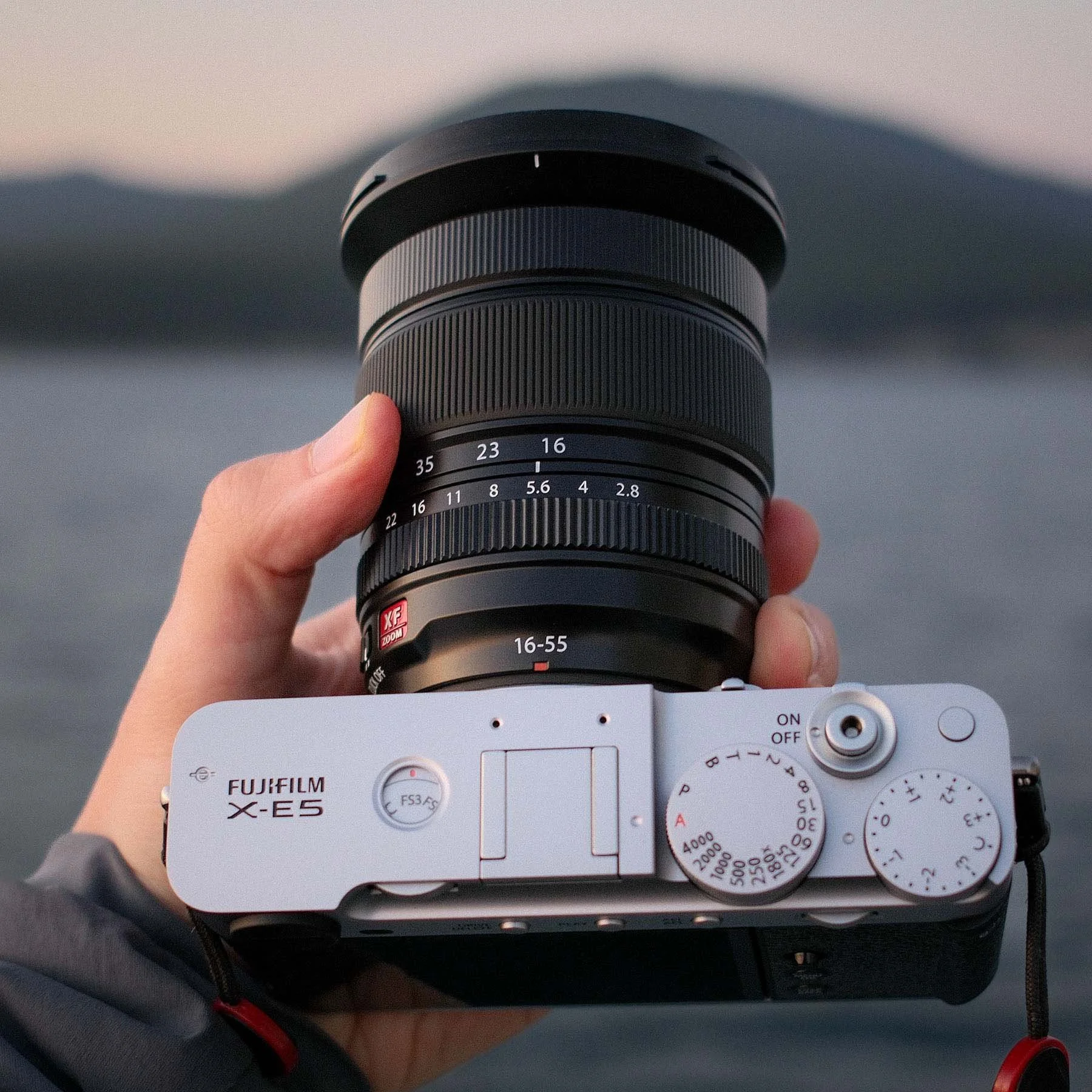
For most of my photography career, I’ve only ever owned between 16-35mm and 70-200+mm. In the past year I’ve been dabbling in the world of more portable cameras utilizing prime lenses, typically between 35mm and 40mm. When I decided to go on a photography trip with only a single camera and lens, I really wanted a bit more versatility than the Fujifilm XF 23mm f2.8 that came with the Fujifilm X-E5. Thus I hesitantly picked up the Fujifilm XF 16-55mm f2.8 II, my first ever mid-range lens for photography. These are my first impressions with the lens.
Best Budget Cameras ($100-$300)
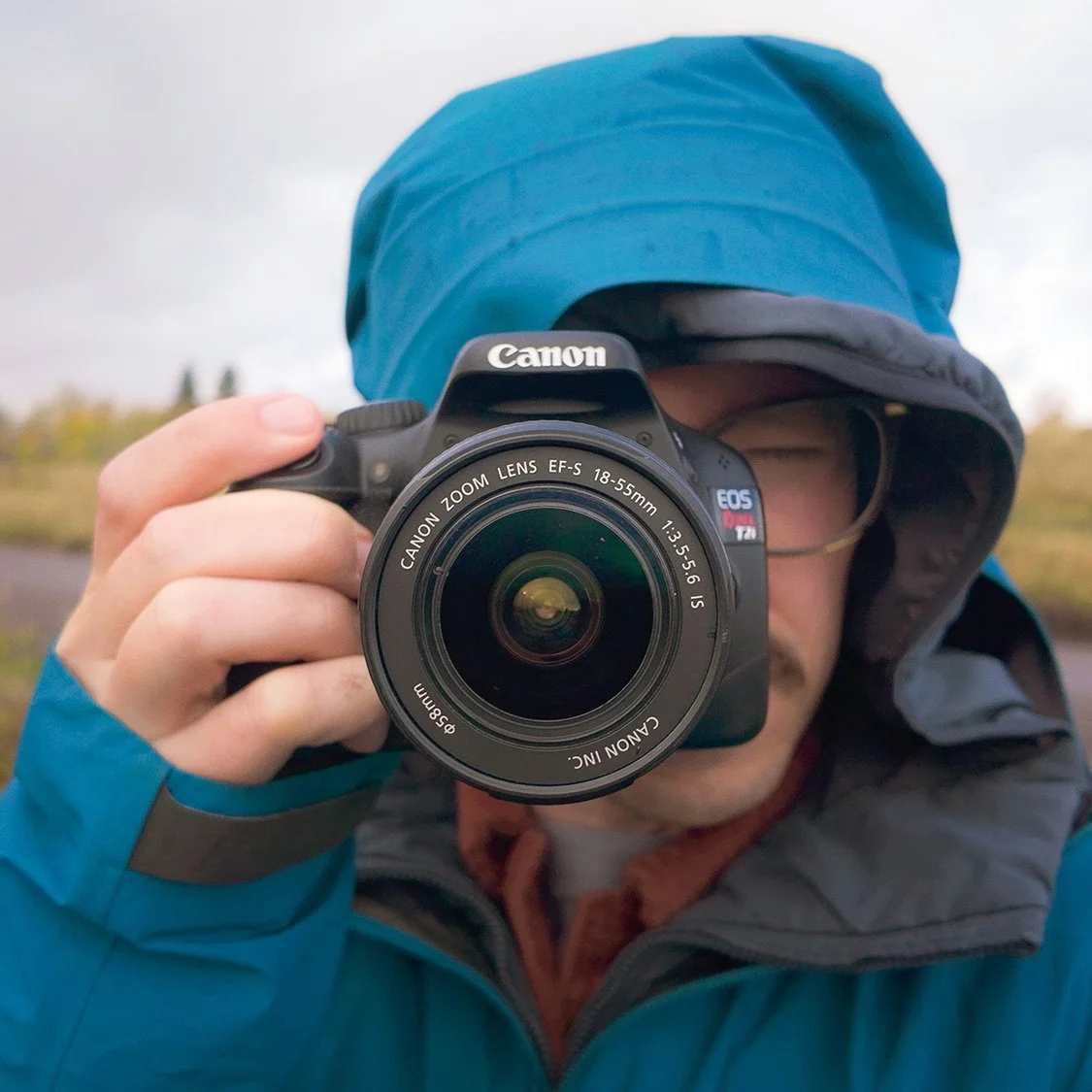
Photography isn’t really known for being an inexpensive hobby or profession. Sometimes that can be a huge barrier to entry for anyone looking at picking up their first camera to start learning photography. As of writing this, the least expensive new camera and lens (that’s been released in the last 5 years) is the Canon R100 which costs over $600. While that camera is mostly capable, we can stretch a lot less money for even better results.
As technology has improved over the years, it means there are actually quite a lot of very sufficient cameras out there collecting dust. Everyone has moved to mirrorless technology which leaves used DSLR cameras and lenses sinking lower and lower in price. Simply put: there has never been a cheaper and easier time to start photography.
Fujifilm X-E5 First Impressions and Recipes
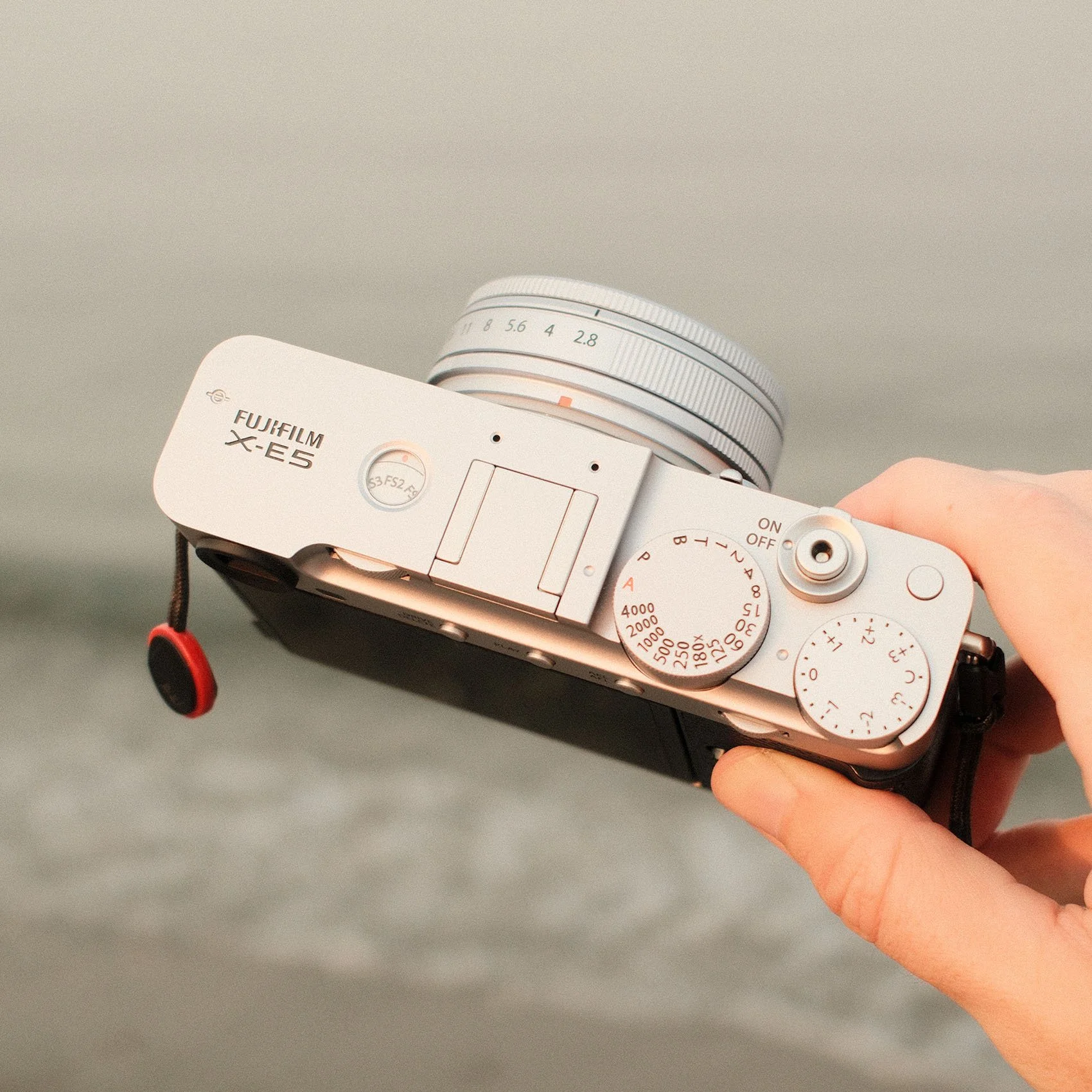
I was lucky enough to get delivery of my Fujifilm X-E5 plus the Fujifilm XF 23mm f2.8 right as it came out thanks to B&H. I’ve had a chance to spend a full day using the camera, thus giving me a really good first impressions of the camera. Normally I wouldn’t talk about a camera after only using it for a single day but considering how similar (nearly identical) this camera is to the Fujifilm X100VI, I feel more at ease giving you my thoughts. To summarize: I really wanted to love this camera but there are a few design choices that leave me questioning if they actually used the camera before manufacturing it.
The Best Camera Under $1000 (2025)
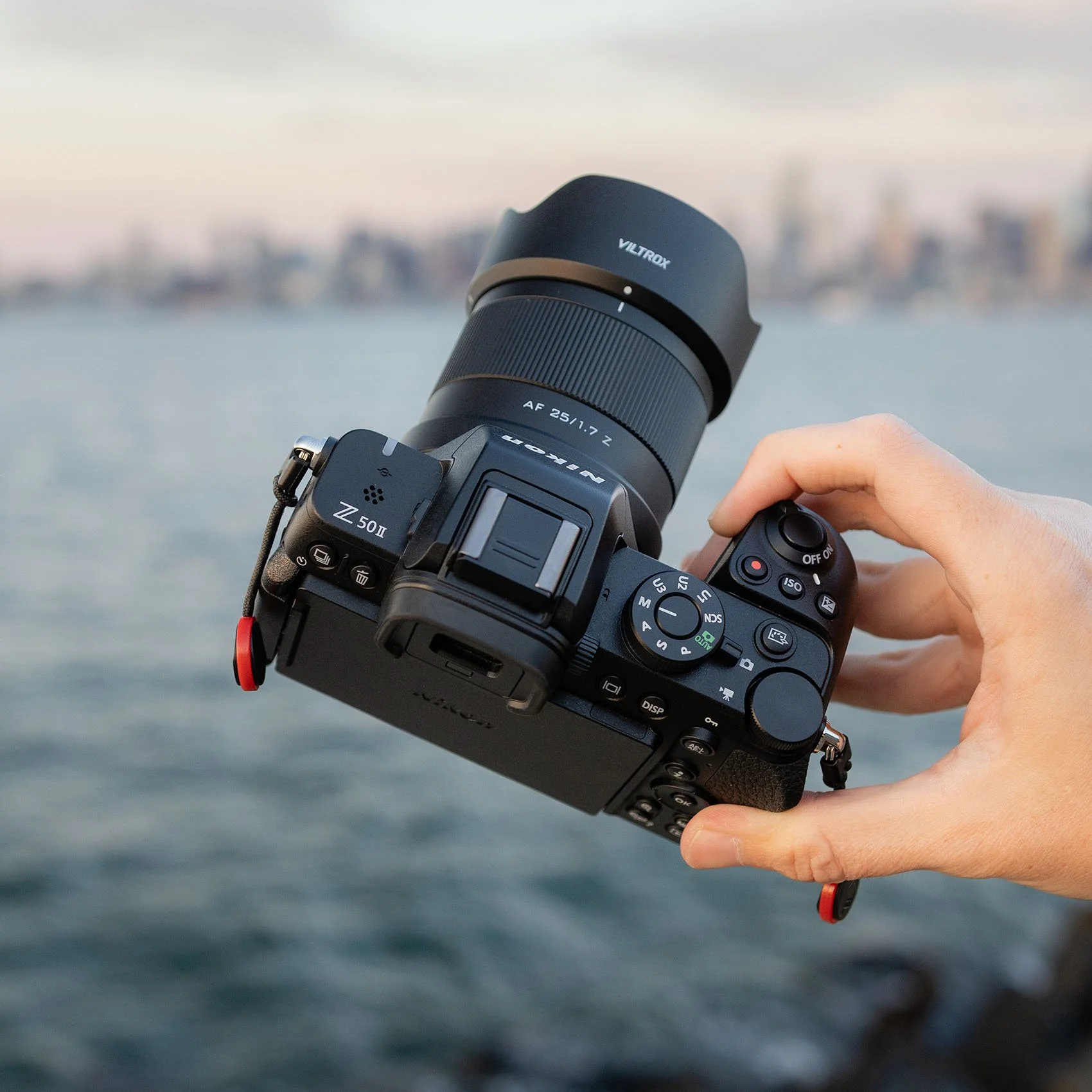
Not long ago the sub $1,000 camera was a competitive segment of the photography market but as costs increase and inflation rises, the options have become less and less. More importantly are any of the cameras you can get for under $1,000 even worth buying in 2025? In this article I’ll cover all your options for new cameras that fit a budget of $1,000 or less and exactly the ones you should consider. One of them is so good, I bought it myself!

How Good is the Nikon Zf Without Editing?
I’ve spent the past couple months taking lots of images on the Nikon Zf, and I haven’t needed to edit a single one. This got me thinking, how often do we see reviews or content from cameras without editing? There’s quite a lot of people out there looking to take images without needing to edit at all, or at the very least have a great starting point before they sit down in front of a computer.

Goodbye Fujifilm X100VI, Hello Nikon Zf
I didn’t expect to fall for the Nikon Zf. Honestly, I barely knew it existed. But with a long trip ahead and no Fujifilm X100VI available to buy, I gave it a shot—and it completely caught me off guard.
From the moment I took it out of the box, the Zf felt different. The dials are the most tactile I’ve ever used in 15+ years with cameras. The on/off switch has a deliberate resistance. The shutter sound? Addictive. Nikon didn’t just build a camera—they built an experience.

What is a Glow Filter and Why have I been using it so much recently?
Glow filters (aka black mist or bloom filters) are nothing new in photography yet I feel like I don’t see them talked about very much in the space of nature photography. I suspect this is likely because the majority of people in that space are very technical and want to capture images in the flattest, purest ways possible. I must admit it feels a little wrong to put something in front of my lens that, for all intents and purposes, slightly reduces the sharpness and “pure” quality of the images I’m capturing.
Is that such a bad thing though in today’s world of pristine images?

Canon vs Nikon vs Fujifilm vs Hasselblad
In a recent video I decided to do something really stupid and try to take the same image on 5 different cameras at once. The idea was just to see the differences in things like sensor size, color science, and nuances between camera manufacturers. It’s absolutely not a scientific test and certainly one filled with more real world results rather than charts.
If you’re here to pixel peep and simply want to know which camera takes the absolute most pristine and highest resolution images, I’ll save your time - it is the Hasselblad X2D.